
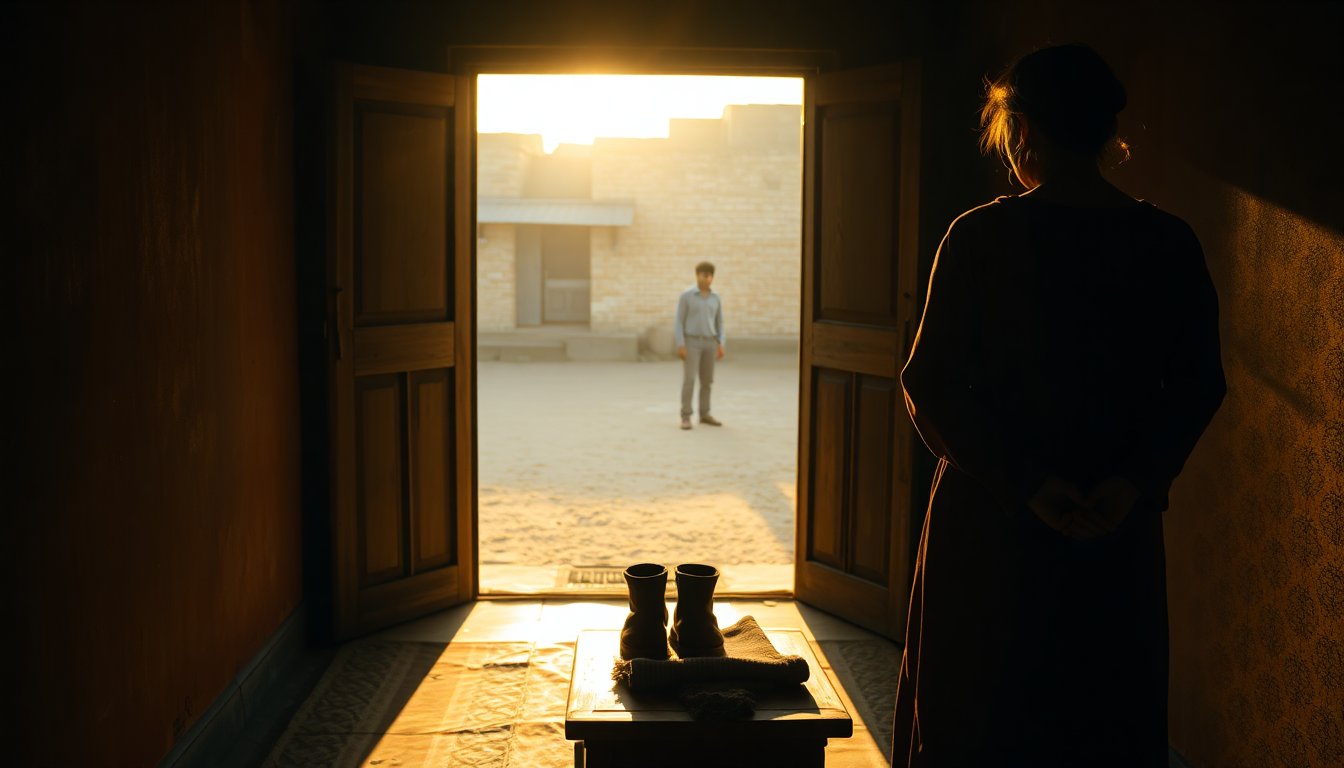
The story of the Mughal family from Chunt Waliwar village in Ganderbal is an acute reminder of how personal grief and political violence intersect in Kashmir. In January 2000 armed men entered the home of the Mughals and killed 23-year-old Ishfaq, who the family says worked with the Indian army. Decades later the household was struck again when 32-year-old Rashid was killed on March 31 in an operation that the army described as an exchange of fire but which many locals call a fake encounter. Families like the Mughals now bear long-standing wounds and renewed questions about state power and protection.
Their experience highlights two recurrent themes: unresolved loss and contested narratives. The family has waited for the return of Ishfaq’s remains for more than 26 years so they can perform last rites according to their faith. After Rashid’s death, the army buried his body some 80km away in Kupwara in a graveyard reserved for alleged rebels, a practice critics say aims to avoid protests. The local response included street demonstrations and demands for a transparent inquiry, illustrating how private tragedies rapidly take on public and political significance in the valley.
Family account and immediate aftermath
The Mughal siblings describe a sequence of events that contrasts with official accounts. They say Ishfaq was shot in 2000 as he tried to flee from intruders who had barged into their house at night. Years later, when news of Rashid’s death surfaced, his elder brother Ajaz was summoned to police stations and later identified a mutilated body by


