
Table of Contents
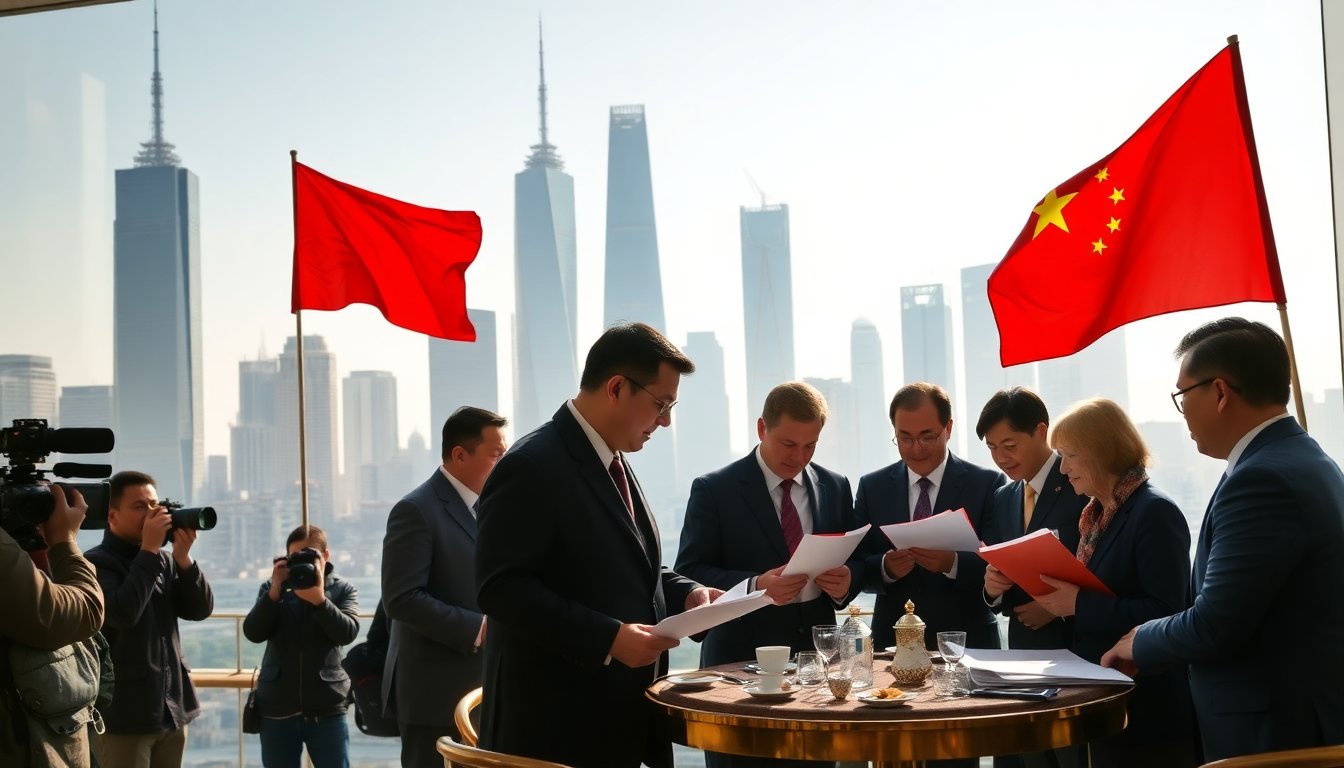
As the political landscape shifts, UK Prime Minister Keir Starmer embarks on a significant journey to China that holds the potential to redefine trade relations between the two countries. This visit, set against a backdrop of ongoing tensions and a tumultuous political climate, marks the first time a British leader has visited Beijing since Theresa May in. Starmer’s mission aims to bolster economic ties while grappling with pressing concerns surrounding national security.
The context of Starmer’s visit
Starmer’s trip arises amidst internal discord within the Labour Party, as factions debate the best approach to foreign relations. With his delegation, including Rachel Reeves and a group of business leaders, Starmer seeks not only to enhance trade opportunities but also to navigate the intricate dynamics of international diplomacy. The backdrop of this visit is colored by accusations of weakness, with critics suggesting that he is approaching negotiations with China from a position of vulnerability.
The stakes involved
As the UK grapples with a trade deficit with China, this visit could be a turning point. In, the UK imported more goods than it exported to the nation, highlighting the urgent need for a strategy that enhances British exports. Starmer’s discussions with Chinese President Xi Jinping will focus on identifying areas where British strengths in finance and consulting can meet China’s burgeoning demand for services, particularly in health and elderly care.
Balancing trade and security concerns
Starmer’s government is under pressure to address national security while pursuing economic dialogues. Recent revelations, such as the approval of a vast Chinese embassy in London, have raised eyebrows and intensified scrutiny over China’s role in sensitive sectors. Critics argue that such moves could facilitate espionage, leading to a precarious balancing act between fostering trade and protecting UK interests.
International perspectives and implications
The geopolitical landscape is further complicated by the ongoing tensions between the US and China. Former MI6 chief Sir John Sawers has emphasized that China represents a more formidable threat to UK security than the US, prompting a reevaluation of Britain’s strategic partnerships. This context underscores the necessity for Starmer to navigate these discussions with caution, ensuring that any economic gains do not come at the cost of national security.
Public sentiment and broader impacts
Public sentiment in the UK regarding relations with China is mixed, influenced by recent events such as the trial of Hong Kong democracy advocate Jimmy Lai. This situation has prompted calls for Starmer to address human rights issues firmly during his visit. Critics, including former Hong Kong governor Chris Patten, have urged the Prime Minister to take a stand on these matters, emphasizing the importance of advocating for democratic values alongside economic interests.
As Starmer prepares for discussions, the challenge lies in striking a balance between advancing trade and addressing critical human rights concerns. The UK’s historical ties with Hong Kong further complicate this dynamic, as any perceived compromise on these issues could lead to backlash both domestically and internationally.
Conclusion: The path ahead
As Prime Minister Keir Starmer embarks on this crucial diplomatic mission, the implications of his choices will resonate beyond the immediate context of trade. The ability to foster a cooperative relationship with China while safeguarding UK interests and values will be vital. The success of this visit will likely hinge on Starmer’s capacity to engage with Chinese leaders meaningfully, navigating the delicate interplay of commerce and security in an increasingly complex global landscape.