
Table of Contents
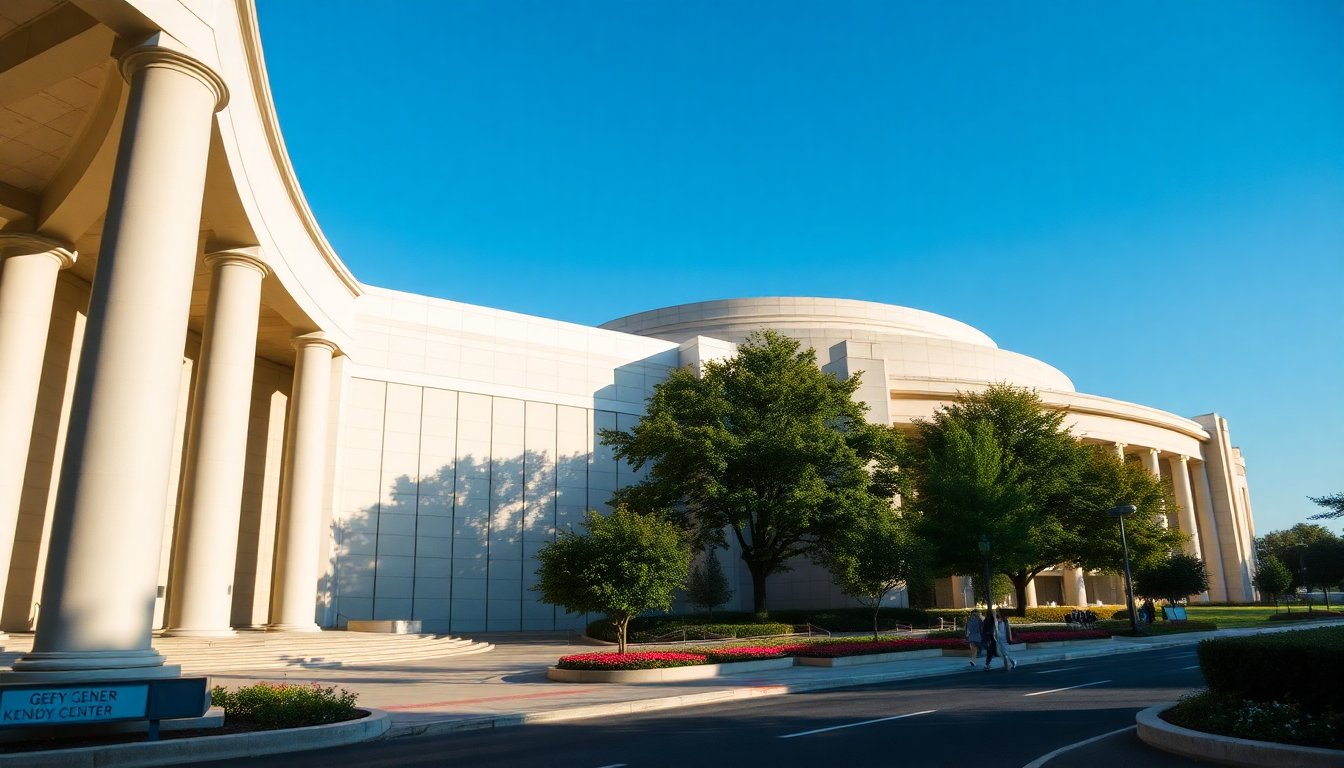
The John F. Kennedy Center for the Performing Arts, a prominent symbol of American culture, has sparked controversy following a unanimous decision by its board to rename the institution as the Trump Kennedy Center. The board cited President Donald Trump’s contributions during his tenure as board chair as justification for this name change. This decision has ignited considerable debate, with critics questioning both its legality and intent.
White House Press Secretary Karoline Leavitt announced the news through social media, stressing the board’s rationale. Leavitt claimed that President Trump played a vital role in revitalizing the center amid financial difficulties. She stated, “The board recognized the exceptional efforts of President Trump in preserving the institution’s legacy and enhancing its stature.” While some lauded the announcement, it has left many in the arts community unsettled.
Response from the arts community
The response from various individuals and organizations within the arts sector has been overwhelmingly critical. Prominent figures, including Lin-Manuel Miranda, creator of the Broadway hit *Hamilton*, have voiced their disapproval, arguing that the rebranding undermines the center’s commitment to fostering a diverse cultural dialogue. Miranda articulated, “The Kennedy Center has always been a space free from political bias, and this shift feels contrary to that mission.” This sentiment reflects a broader concern among artists and patrons regarding the potential compromise of the institution’s integrity.
Claims of censorship and opposition
The political implications of the board’s decision have prompted further scrutiny. Representative Joyce Beatty, a board member, revealed she was muted during the vote and denied the opportunity to express her opposition. In a video statement, she accused the board of engaging in censorship and circumventing the necessary procedures for such a significant decision. “This vote was not on the agenda, and it certainly did not reflect a consensus. It is vital for Congress and the public to have a say in matters affecting our cultural institutions,” Beatty asserted.
Despite the backlash, board members, including newly appointed allies of Trump, have defended the decision by emphasizing the need for a new vision for the arts. This restructuring has led to the removal of long-standing leadership, raising concerns about the future direction of the center and its programming.
Legal questions surrounding the name change
As discussions surrounding the name change intensified, legal experts began to weigh in on its legitimacy. The Kennedy Center was established through a federal statute, suggesting that any change to its official name may require Congressional approval. David Super, a law professor, noted, “The statute is clear, and it’s unlikely that a simple board vote can alter the name without legislative action.” This perspective raises significant questions about the board’s authority and the potential ramifications of their decision.
The impact on ticket sales and performances
The fallout from the name change has already begun to manifest in practical terms. Reports indicate a noticeable decline in ticket sales across the center’s major venues, a trend that has emerged since the onset of Trump’s administration. High-profile productions, including *Hamilton*, have reportedly reconsidered their engagements at the center, complicating its financial viability.
The center’s programming has undergone a marked transformation, with the selection of honorees and types of performances reflecting the current board’s priorities. Trump’s influence is perceived as a driving force behind this shift, as he seeks to reshape the cultural narrative at one of the nation’s premier artistic venues.
Future implications for the Kennedy Center
As the situation surrounding this controversial decision evolves, the future of the Kennedy Center remains uncertain. The reactions from the public, artists, and lawmakers will likely shape the center’s trajectory moving forward. The ongoing dialogue regarding the name change is emblematic of broader tensions within American culture, where the intersection of politics and the arts remains a contentious battleground.
The renaming of the Kennedy Center to the Trump Kennedy Center has exposed deep divisions within the arts community and raised critical questions regarding legality and governance. As various stakeholders continue to respond, the implications of this decision will undoubtedly resonate throughout the cultural landscape for the foreseeable future.