
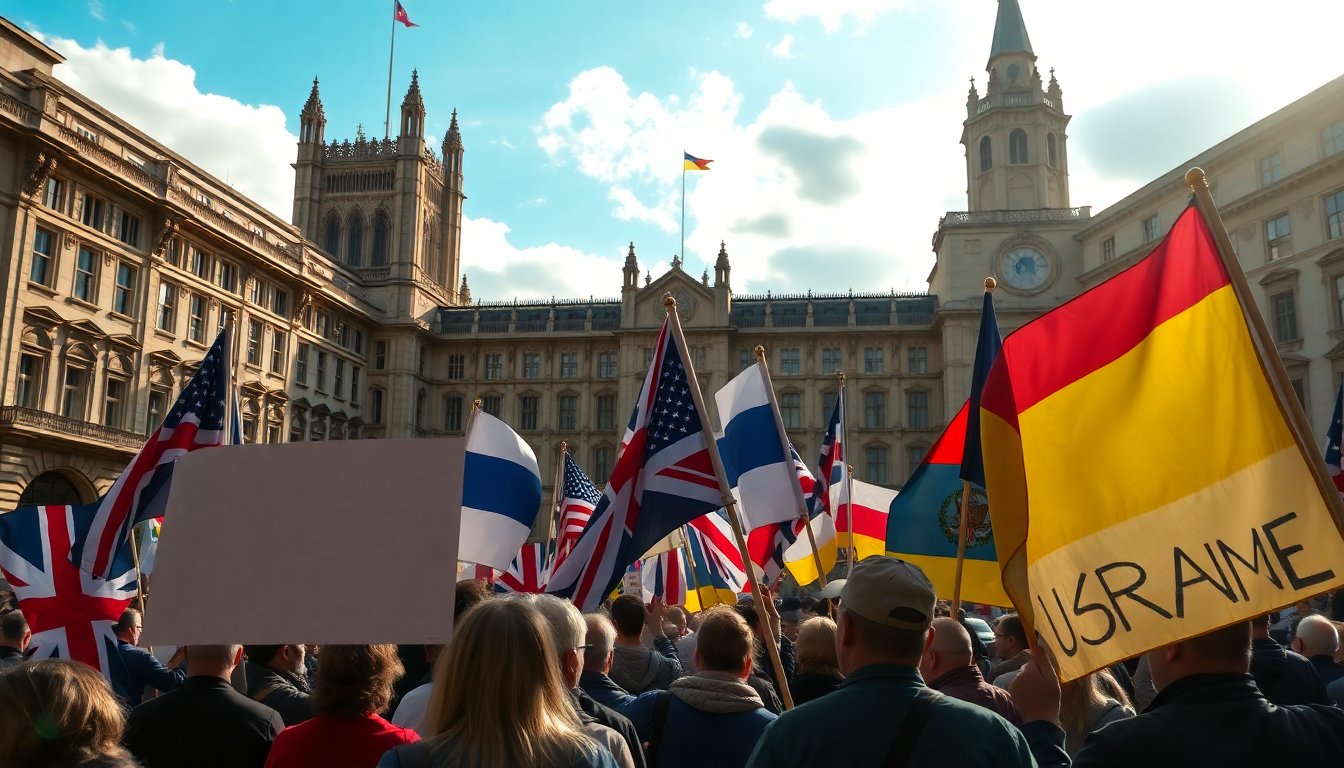
Donald Trump’s second state visit to the United Kingdom has been characterized by a combination of ceremonial grandeur and significant political tensions. The visit highlighted notable differences between the U.S. and its traditional allies, particularly regarding the ongoing conflicts in Israel and Ukraine. This article examines these developments and their potential implications for transatlantic relations.
Israel and Palestine: A Divided Stance
One of the most pressing issues addressed during Trump’s visit was the situation in Gaza. British Prime Minister Keir Starmer announced that the U.K. would formally recognize a Palestinian state, joining a coalition that includes Canada, Australia, and France. This recognition aligns with a broader international sentiment advocating for Palestinian rights, contrasting sharply with the position of Trump’s administration.
Contrasting Views on Recognition
U.S. Secretary of State Marco Rubio openly criticized the recognition, arguing it undermines peace efforts and emboldens groups like Hamas. “We believe that such recognition has stifled negotiations,” he stated prior to Trump’s visit. This sentiment was echoed by large Jewish community organizations in Canada and the U.K., which assert that recognizing Palestinian statehood would reward violence.
However, Starmer countered this narrative during a joint press conference with Trump. He emphasized that recognizing Palestine must be part of a comprehensive strategy aimed at achieving a secure Israel and a viable Palestinian state. This position represents a significant pushback against the prevailing U.S. stance, which Trump acknowledged, albeit dismissively. “I disagree with the Prime Minister on this matter, but it’s one of our few disagreements,” he remarked, indicating a reluctant acceptance of the differing views.
Ukraine: Evolving Dynamics
Another critical area of contention during Trump’s visit was the ongoing conflict in Ukraine. The U.S. President’s approach has noticeably shifted since taking office, evolving from an initially dismissive stance towards Ukrainian President Volodymyr Zelenskyy to a more engaged position, albeit with caution.
Energy and Economic Pressures
During a press briefing, Trump suggested that Europe must significantly reduce its energy purchases from Russia to effectively combat its aggression towards Ukraine. He pointed out, “As long as European nations continue to fund Russia by buying its oil, any efforts to impose sanctions will be undermined.” This call to action places pressure on European leaders, urging them to take more decisive steps against Russian energy imports.
Despite European nations having curtailed many imports from Russia, they still rely on a small percentage for their energy needs. Trump’s remarks highlight the ongoing tension between U.S. expectations and European actions, serving as a reminder of the complexities involved in transatlantic relations amidst a global crisis.
Overall Implications for Transatlantic Relations
Trump’s visit not only underscored the ideological rifts between the U.S. and its allies but also raised questions about how these differences might impact future diplomatic and economic engagements. As Canada engages in negotiations regarding the Canada-U.S.-Mexico Agreement (CUSMA), concerns arise that Canada’s stance on Palestinian statehood could complicate these discussions.
Moreover, the muted U.S. response regarding the recognition of Palestine may embolden other nations to follow suit, potentially altering the landscape of international diplomacy surrounding the Israeli-Palestinian conflict. Political analysts, including Peter Ricketts, warn that the lack of strong American dissent could lead to further recognition efforts by nations aligned with Starmer’s perspective.
Conclusion
As the dust settles from Trump’s state visit, the implications of his interactions with British and Canadian leaders will continue to unfold. The contrasting positions on critical global issues such as the Israeli-Palestinian conflict and the war in Ukraine reveal deep-seated differences that could reshape transatlantic diplomacy. Moving forward, how these leaders navigate these challenges will be pivotal for maintaining strong alliances and addressing pressing global issues.


