
Table of Contents
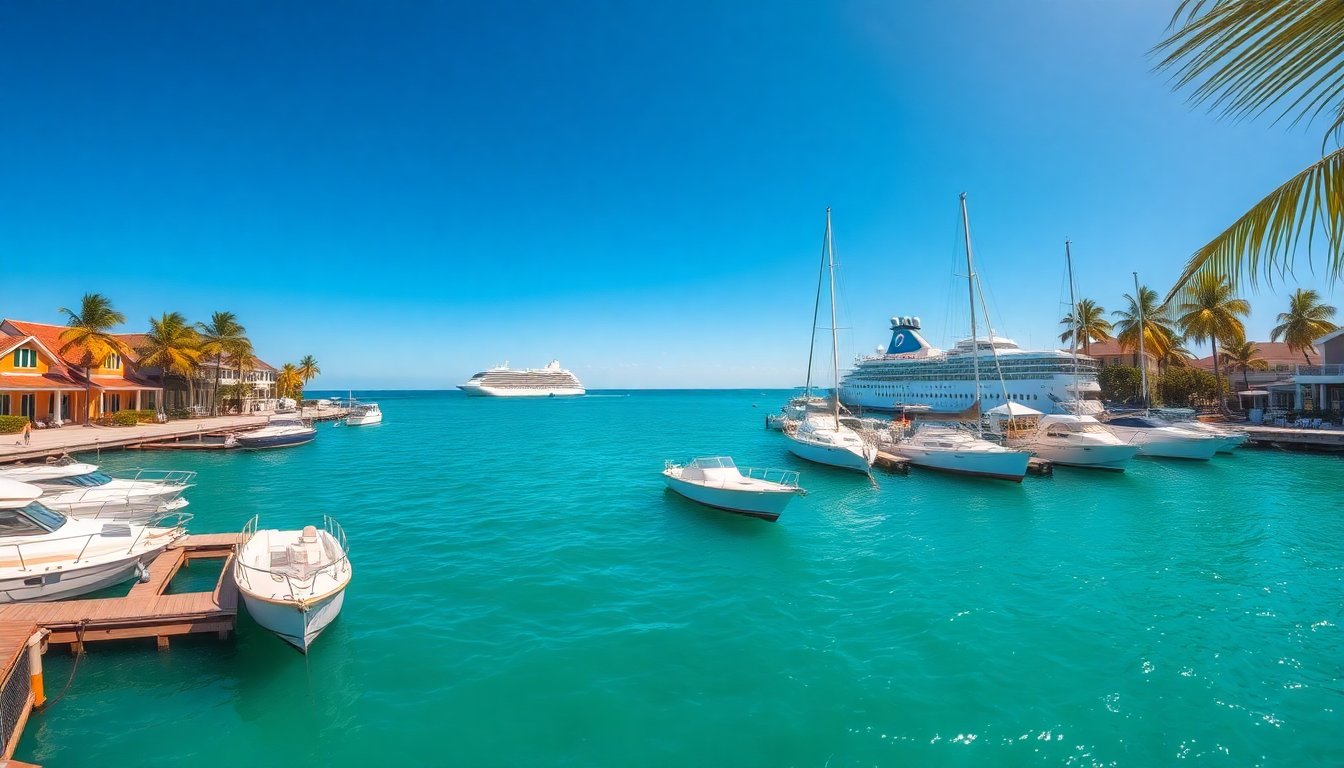
Situated at the southernmost tip of the Florida Keys, Key West functions as a vibrant city and a bustling cruise port. Known for its warm weather and lively atmosphere, this island destination attracts travelers from around the globe. With a population of approximately 25,000, Key West is not only a picturesque getaway but also a hub for maritime activities and tourism.
Located about 150 miles from Miami and a mere 90 miles from Havana, Cuba, Key West features two main docking facilities for cruise ships. The Fisherman Wharf, the primary docking area, is conveniently close to the heart of the city, allowing tourists to easily explore local attractions on foot. The second docking option, the Outer Mole Pier, is accessible via a complimentary trolley service.
The evidence
In 2025, significant changes began to shape the cruise landscape in Key West. A referendum was introduced that proposed amendments to control the number and size of cruise vessels permitted to dock at the port. The regulations aim to limit cruise ships to a maximum passenger capacity of 1,300 and restrict the number of passengers disembarking daily to 1,500. Additionally, new guidelines prioritize environmentally friendly vessels with a strong safety record, aiming to enhance the overall experience for tourists and protect the local ecosystem.
Records show that in 2019, Key West welcomed 417 cruise ship visits, bringing nearly 965,000 passengers to the island. This influx of visitors contributed significantly to the local economy while highlighting the importance of sustainable tourism practices. The city’s commitment to maintaining a balance between tourism and environmental responsibility is evident in these recent regulatory changes.
The reconstruction
The changes in regulations reflect an ongoing effort to manage the impact of tourism on Key West’s environment. The investigation reveals that the local government is focused on ensuring that the island’s natural beauty is preserved while still accommodating visitors. The new limits on cruise ship sizes and passenger numbers aim to prevent overcrowding and protect local resources.
Key players
Key stakeholders in this evolving situation include the local government, cruise lines, and environmental advocacy groups. According to papers reviewed, officials are working closely with cruise companies to ensure compliance with the new regulations. Environmental organizations are also monitoring the situation to ensure that tourism does not compromise the island’s ecological integrity.
The implications
The new regulations are likely to have significant implications for both the local economy and the tourism industry. Evidence collected indicates that while limiting cruise ship visits may reduce immediate economic benefits, it could enhance the overall quality of tourism in Key West. By prioritizing smaller vessels and environmentally friendly practices, the city aims to attract visitors who value sustainability.
What happens next
As cruise lines adapt to the evolving travel landscape, Key West continues to position itself as a sought-after destination. In 2025, American Cruise Lines introduced a unique itinerary that includes overnight stays in the port, allowing visitors ample time to explore the island’s myriad attractions. This approach not only enriches the travel experience but also highlights the importance of sustainable tourism.
Attractions and activities for visitors
The cultural richness of Key West is evident in its historical sites and vibrant streets. Tourists can wander down Duval Street, famous for its eclectic mix of shops, bars, and restaurants. Key attractions include the Hemingway Home and Museum, showcasing the life of the iconic author, and Mallory Square, renowned for its stunning sunset celebrations.
For those seeking adventure beyond the city, various excursions are available. Visitors can embark on a full-day trip to the Dry Tortugas National Park, accessible only by boat or seaplane. This exclusive destination features the historic Fort Jefferson, a 19th-century coastal fortress, and offers breathtaking views and opportunities for snorkeling.
Culinary delights and local flavors
Located about 150 miles from Miami and a mere 90 miles from Havana, Cuba, Key West features two main docking facilities for cruise ships. The Fisherman Wharf, the primary docking area, is conveniently close to the heart of the city, allowing tourists to easily explore local attractions on foot. The second docking option, the Outer Mole Pier, is accessible via a complimentary trolley service.0
Getting to and around Key West
Located about 150 miles from Miami and a mere 90 miles from Havana, Cuba, Key West features two main docking facilities for cruise ships. The Fisherman Wharf, the primary docking area, is conveniently close to the heart of the city, allowing tourists to easily explore local attractions on foot. The second docking option, the Outer Mole Pier, is accessible via a complimentary trolley service.1
Located about 150 miles from Miami and a mere 90 miles from Havana, Cuba, Key West features two main docking facilities for cruise ships. The Fisherman Wharf, the primary docking area, is conveniently close to the heart of the city, allowing tourists to easily explore local attractions on foot. The second docking option, the Outer Mole Pier, is accessible via a complimentary trolley service.2