
Table of Contents
In a rare public address, North Korea’s leader Kim Jong-un disclosed that his country has deployed troops to assist Russia in the ongoing war in Ukraine. This announcement, broadcasted by state media, marks a significant moment in the context of the broader conflict. Reports from both South Korean and Western intelligence agencies suggest that thousands of North Korean soldiers have been sent to fight on behalf of Moscow, indicating a strengthening of military ties between the two nations.
The implications of this military cooperation extend beyond mere logistics. The involvement of North Korean forces in Russia’s military operations, particularly in critical areas like the Kursk region for mine clearance, reflects a deeper strategy of alliance as the Kremlin continues its nearly four-year-long invasion of Ukraine.
The strategic partnership between North Korea and Russia
As the situation in Ukraine remains tense, the relationship between North Korea and Russia has evolved into a crucial partnership. Analysts suggest that this collaboration is not solely about military support; it may also involve financial assistance and the exchange of military technology. Such dynamics are vital for both nations as they navigate their respective geopolitical challenges.
Military assistance and its implications
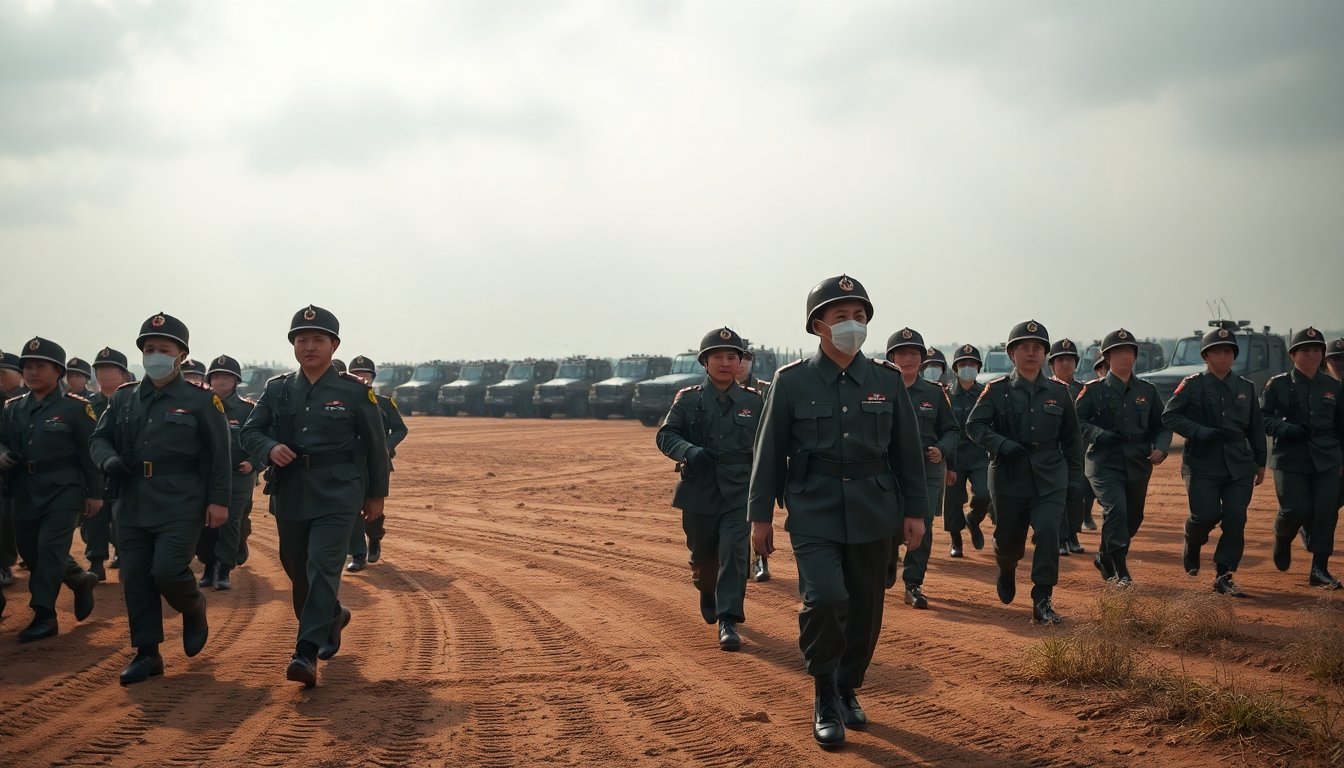
North Korea’s participation in Russia’s military efforts includes significant commitments. This is evidenced by the acknowledgment of troops clearing mines, a dangerous task that highlights the risks North Korean soldiers are undertaking. The logistical support provided by these troops could be a game-changer for Russia, allowing it to redirect its own resources to more pressing battlefield requirements.
This military assistance raises questions about the long-term implications for North Korea. Engaging in such operations might lead to increased tensions with the international community, particularly nations that oppose Russia’s actions in Ukraine. Furthermore, it could also prompt a reevaluation of North Korea’s own military strategy and alliances.
International reactions and future considerations
The revelation of North Korean soldiers operating in Russia has not gone unnoticed by the global community. Many countries are closely monitoring the developments, given the potential escalation of hostilities. The United States and its allies are particularly concerned about the implications of this partnership, as it could embolden Russia and challenge the existing balance of power in the region.
The role of international diplomacy
Diplomatic efforts are ongoing to address the complexities arising from this alliance. The situation requires a coordinated response from nations that oppose the conflict in Ukraine. Diplomats are likely to engage in discussions aimed at mitigating the impact of North Korea’s involvement, which could include sanctions or other measures to deter further military cooperation.
In addition, there are implications for how the United States and its partners may approach both North Korea and Russia moving forward. The intersection of these two nations’ military endeavors might lead to a more unified front in addressing their respective threats. This could redefine diplomatic strategies and alliances in the region.
As the global landscape shifts, the situation remains fluid. Both North Korea and Russia are likely to continue their collaboration, which could have far-reaching effects on international relations. The ongoing conflict in Ukraine serves as a backdrop for this evolving partnership, making it critical for global powers to remain vigilant.
In conclusion, Kim Jong-un’s admission about North Korean troops clearing mines in Russia underscores a significant shift in military dynamics. The implications of this partnership are vast, impacting not only the immediate conflict in Ukraine but also the broader geopolitical landscape.