
Table of Contents
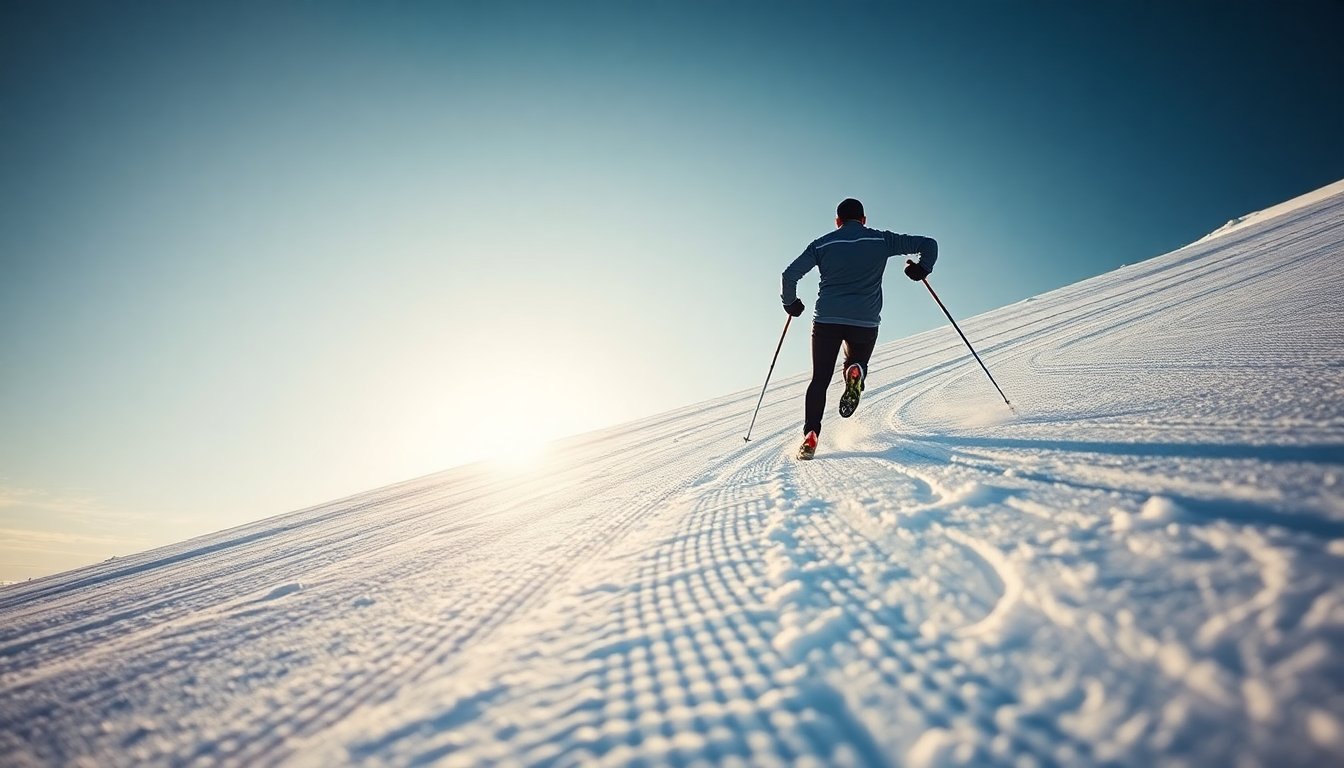
The Winter sports world has a new signature moment: Norwegian cross-country skier Johannes Høsflot Klæbo powering up a steep section of course in a way few have seen before. That uphill burst, captured and circulated widely on social platforms, didn’t just win a race — it reinforced a narrative of sustained superiority. Across multiple events, Klæbo’s combination of technique and timing has translated into multiple gold medals, and a growing possibility that he could end the Games among the most decorated athletes in Winter Olympic history.
Beyond Klæbo’s headline-making performance, the current Olympic program produced several complementary storylines. The United States celebrated a rare podium return in men’s cross-country with Ben Ogden earning silver, ending a long medal drought for American men. On the ice, short-track produced viral antics and veteran milestones, while the Swedish women delivered a team sweep that showcased national depth.
What makes klaebo’s uphill sprint so remarkable
Observers were struck by Klæbo’s unconventional technique on the key climb. Rather than relying solely on glide, he adopted a powerful, almost running-like motion — an application of the herringbone concept elevated to elite speed. Video analysis recorded him taking roughly 18 steps in 10 seconds up a steep pitch, reaching about 17 kilometres per hour on that segment. The effect was decisive: rivals dropped back as Klæbo shifted into a gear they could not match.
That sequence resonated for two reasons. First, it illustrated the athlete’s physical capacity and tactical sense: he times his surge where it hurts rivals most. Second, it highlighted how a single, repeatable move can become emblematic of dominance. The clip’s viral spread turned a technical nuance into a global talking point, making the climb a shorthand for Klæbo’s broader superiority.
Tactical mastery and racecraft
Klæbo’s success is not purely mechanical; it is also strategic. He often gauges pace, positioning, and the psychological state of opponents before committing to the uphill attack. In elimination formats such as the sprint, where heats are run multiple times in a single day, conserving energy and timing efforts are crucial. Klæbo’s ability to execute a high-intensity move late in a short race shows both tempo control and a deep understanding of when competitors are most vulnerable.
Other standout narratives from the program
While Klæbo dominated cross-country, other athletes and moments shaped the Games. Ben Ogden produced a breakthrough silver for the United States, the first American men’s cross-country Olympic medal in decades, signaling progress for a program that rarely reaches the podium in this discipline. His result underscores how one athlete’s rise can alter national expectations.
On the women’s side, Sweden’s skiers delivered a commanding performance, culminating in a podium sweep in a sprint final. That collective success reflected strategic depth and a system that cultivates multiple high-level performers rather than relying on a single star, creating a momentum that resonates at world championships and Olympic venues alike.
Short track theatrics and veteran milestones
Short-track speed skating provided lighter, viral moments alongside serious achievements. On home ice, Italy celebrated a memorable relay finish when a skater turned to the crowd in a triumphant, Bolt-like pose that instantly circulated online. Meanwhile, veteran Arianna Fontana extended her remarkable legacy by adding another medal to a career total that ranks among the sport’s all-time high counts. Her continued success demonstrates how experience and tactical acumen matter as much as raw speed in short-track events.
What this all means for the sport
Collectively, these events illustrate the layered appeal of winter disciplines: technical innovation, individual brilliance, and team depth coexist and feed public interest. Klæbo’s viral uphill sprint may be the clearest symbol of one athlete’s superiority, but the program’s other storylines — national breakthroughs, veteran longevity, and crowd-pleasing moments — show that the Games remain fertile ground for both athletic milestones and shareable moments.
As coverage continues and highlight clips travel around the world, these performances will shape public impressions of winter sports long after the final medals are awarded. Whether it’s an unusual climbing technique, a historic return to the podium, or a playful end-of-race celebration, each moment contributes to the evolving narrative of excellence in cold-weather competition.