
Table of Contents
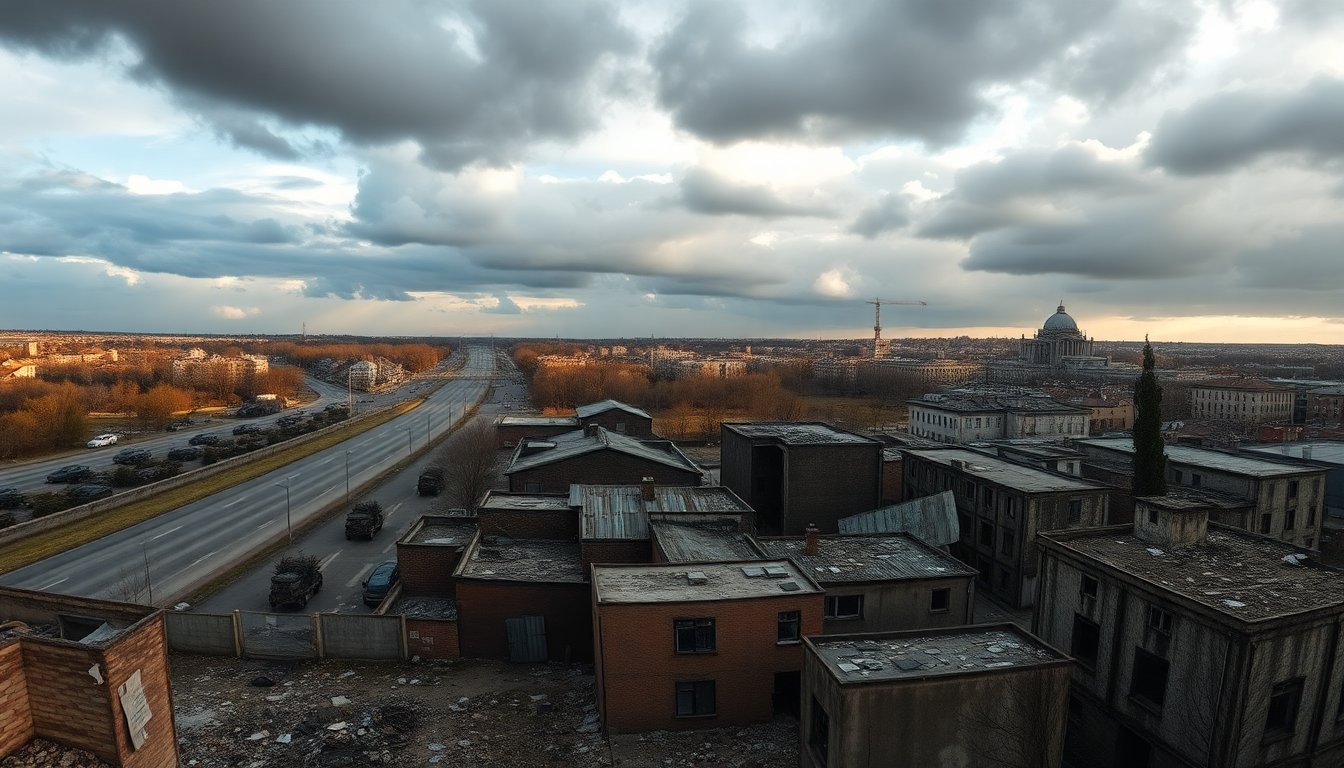
Kramatorsk, located in eastern Ukraine’s Donetsk region, serves as a crucial stronghold for military operations and civilian life amid the ongoing conflict with Russia. For almost four years, this city has symbolized resistance, reflecting both the literal and metaphorical spirit of defiance against advancing Russian forces from the south and east.
However, recent diplomatic proposals, particularly those associated with the Trump administration’s peace vision, present significant challenges. The suggestion to withdraw Ukrainian troops from Kramatorsk and the surrounding Donetsk territories has alarmed locals, who perceive this as an affront to their sacrifices.
The local response to proposed concessions
Maksym Lysenko, a local entrepreneur who operates a patriotic merchandise store in Kramatorsk, voiced his frustration at the potential for territorial concessions. “It’s utterly ridiculous,” he stated, reflecting widespread sentiments among residents. “People have given their lives, and now we are expected to just hand over our land?”
When President Zelenskyy was asked about possible painful compromises for peace, he suggested a referendum, advocating for the Ukrainian populace to determine their fate. However, Lysenko interpreted this as a mere gesture to appease President Trump, who has publicly criticized Zelenskyy for perceived ingratitude. “He just mentioned it to avoid further angering the U.S. president,” Lysenko stated, illustrating the delicate balance Ukrainian leaders must maintain in international relations.
Rising tensions and civilian exodus
The situation in Kramatorsk has become increasingly precarious, with Russian forces less than 20 kilometers away. The ongoing threat from drones and missiles has prompted many remaining residents to consider leaving their homes, even as the city remains a focal point in ongoing peace negotiations.
Amid these developments, Trump has criticized Zelenskyy for allegedly clinging to power and has questioned the sustainability of Ukrainian democracy without elections. In response, Zelenskyy indicated a readiness for electoral processes, contingent on security assurances from the U.S. and other allies.
Public sentiment on peace negotiations
The idea of a referendum is viewed by many as a strategic maneuver to counter U.S. pressure for territorial concessions. Although Ukrainians express a desire for a ceasefire, surveys indicate a significant majority oppose any substantial territorial compromises, particularly the withdrawal of troops from the Donbas region.
“People are weary; they crave peace, but not at the cost of surrender,” noted Anton Hrushetskyi, director of the Kyiv International Institute for Sociology. His organization regularly conducts polls to assess public opinion, revealing that Ukrainians are willing to endure the conflict as long as necessary to secure favorable conditions for peace.
Shifting trust in the U.S.
Despite a strong desire for peace, trust in the U.S. has diminished, dropping from 41% to 21% in the past year. Hrushetskyi described Zelenskyy’s call for a referendum as a “performance” aimed at demonstrating Ukraine’s responsiveness to U.S. demands. However, the logistical challenges of conducting such a vote amid ongoing hostilities complicate the situation.
Russia has dismissed the idea of a referendum. Yuri Ushakov, a senior advisor to President Putin, claimed that the region is already considered Russian territory, undermining the feasibility of such a vote. Conversely, political analyst Mikhail Alexseev suggests that a referendum could be partially conducted digitally, although prevailing public sentiment would likely reject any proposals involving territorial cessions.
Negotiating the future
However, recent diplomatic proposals, particularly those associated with the Trump administration’s peace vision, present significant challenges. The suggestion to withdraw Ukrainian troops from Kramatorsk and the surrounding Donetsk territories has alarmed locals, who perceive this as an affront to their sacrifices.0
However, recent diplomatic proposals, particularly those associated with the Trump administration’s peace vision, present significant challenges. The suggestion to withdraw Ukrainian troops from Kramatorsk and the surrounding Donetsk territories has alarmed locals, who perceive this as an affront to their sacrifices.1
However, recent diplomatic proposals, particularly those associated with the Trump administration’s peace vision, present significant challenges. The suggestion to withdraw Ukrainian troops from Kramatorsk and the surrounding Donetsk territories has alarmed locals, who perceive this as an affront to their sacrifices.2