
Table of Contents
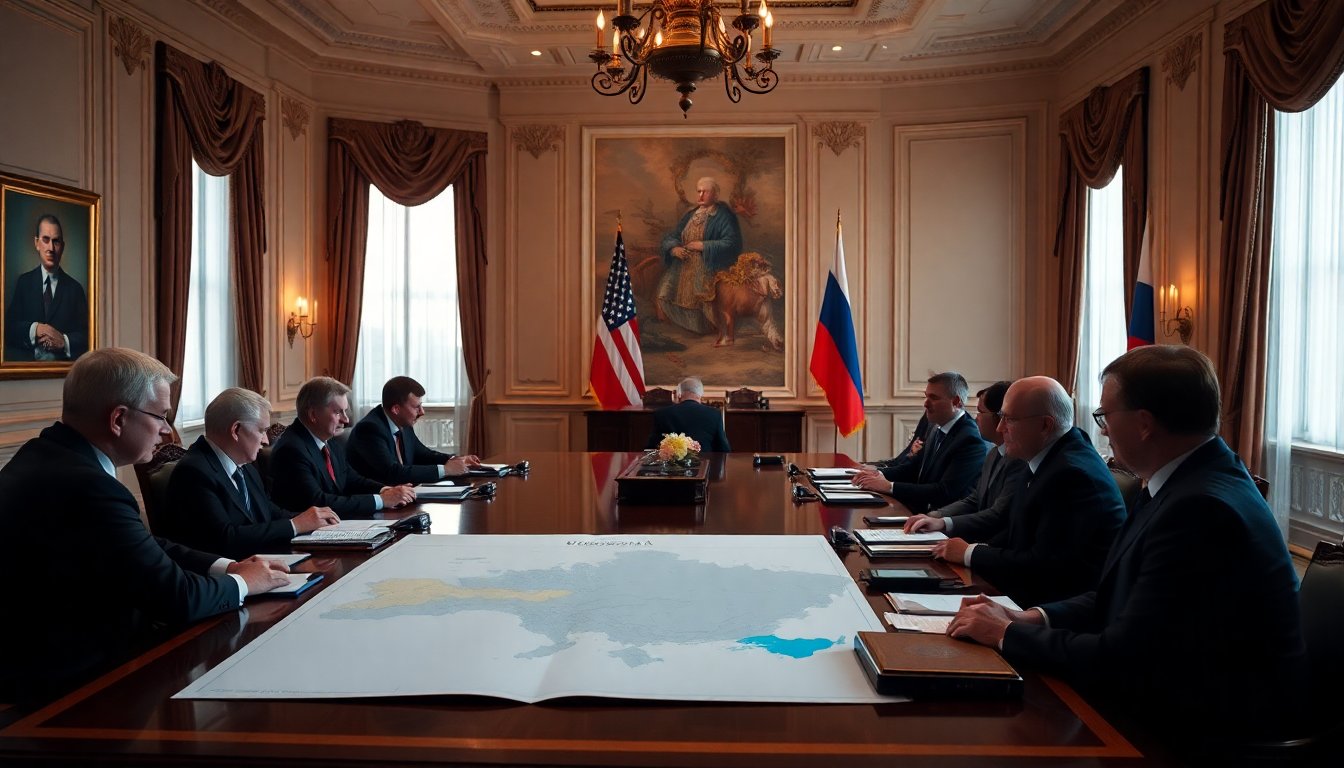
In a significant yet inconclusive meeting, U.S. and Russian diplomats convened at the Kremlin for nearly five hours, culminating in discussions that extended beyond midnight. This prolonged session, as reported by the newspaper Kommersant, involved key figures from both sides, indicating the high stakes in the ongoing dialogue regarding the situation in Ukraine.
The Russian delegation was notably led by President Vladimir Putin, alongside his advisor, Yuri Ushakov, and Kirill Dmitriev, the head of the Russian Direct Investment Fund. Representing the United States were Steve Witkoff, a special envoy appointed by former President Donald Trump, and Jared Kushner, Trump’s son-in-law, who brought a unique blend of diplomatic and business experience to the table.
Outcome of the Kremlin discussions
During the meeting, the American representatives introduced an updated version of Washington’s peace proposal, refined through recent negotiations with Ukraine. This gesture aimed to bridge the existing gap between U.S. and Russian positions on the conflict, yet it ultimately fell short of achieving a mutual agreement.
Following the lengthy discussions, Witkoff proceeded to the U.S. Embassy without providing any comments to the media. Meanwhile, Dmitriev took to social media, claiming that the discussions had been “productive,” a characterization that may reflect a more optimistic view than the outcomes suggest.
Lack of territorial compromise
Yuri Ushakov later addressed reporters, revealing that no consensus was reached concerning the territorial aspects of the American peace initiative for Ukraine. He explained that the discussions did not delve into specific language or detailed proposals but focused on the overarching themes present in the drafts provided to Moscow previously.
Ushakov confirmed that in addition to the original 28-point plan proposed by the Trump administration, Moscow had received four supplementary documents. He noted that while some elements of the American proposals were deemed acceptable to Russia, others were not, highlighting the complexities involved in aligning both nations’ interests.
Financial ties complicate diplomatic efforts
Adding another layer of complexity to these negotiations are the financial connections associated with U.S. envoy Witkoff and his links to Russian financial networks. Investigations reveal that Witkoff’s dealings have been intertwined with individuals closely associated with the Kremlin, raising questions about potential conflicts of interest in his role as a peace broker.
Witkoff is not a newcomer to high-stakes negotiations; his background in real estate finance has seen him navigate various business circles that often intersect with Russian interests. For instance, his connections to Len Blavatnik, a billionaire with deep ties to post-Soviet investment networks, have surfaced, casting shadows over his impartiality in the discussions.
Business and politics intertwined
The choice of venue for the meetings, the luxurious Faena Miami Beach hotel, underscores the intertwining of business and politics in these negotiations. This establishment is co-owned by Blavatnik, highlighting how financial interests can influence diplomatic interactions.
During a previous meeting at this venue, the groundwork for a 28-point peace plan was laid, which critics assert could entrench Russian control over regions in Ukraine while presenting it as a U.S.-led initiative. This raises significant concerns about the motivations behind the negotiations and the potential implications for Ukraine’s sovereignty.
The Russian delegation was notably led by President Vladimir Putin, alongside his advisor, Yuri Ushakov, and Kirill Dmitriev, the head of the Russian Direct Investment Fund. Representing the United States were Steve Witkoff, a special envoy appointed by former President Donald Trump, and Jared Kushner, Trump’s son-in-law, who brought a unique blend of diplomatic and business experience to the table.0