
Table of Contents
Gulag History Museum closed; state-backed Museum of Memory to replace it
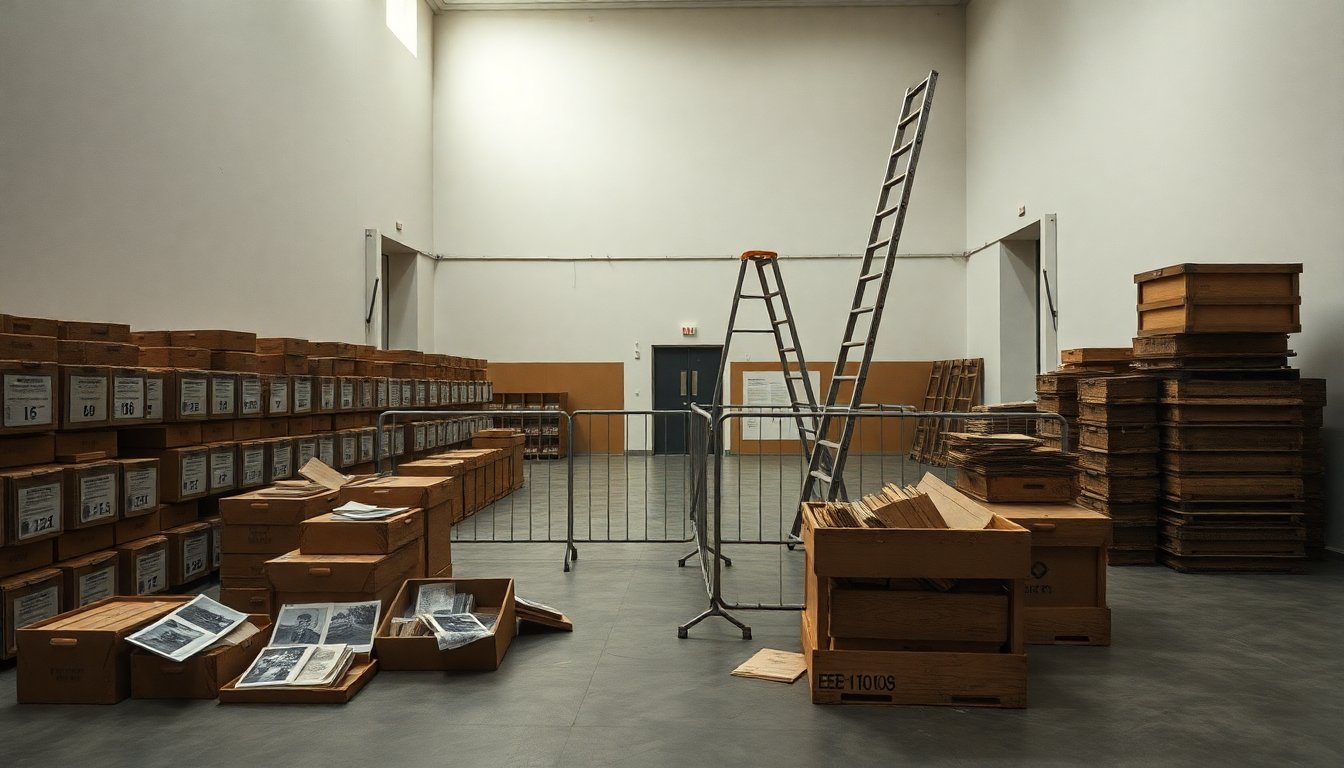
The Gulag History Museum in Moscow — one of the few public spaces dedicated to documenting Soviet-era political repression — has been shut. Officials said the closure, ordered in, was due to fire-safety concerns. The same building is now being refitted for a new Museum of Memory that will center what the state calls the “genocide of the Soviet people.”
That swap isn’t just administrative. It replaces a site built around survivor testimony, critical scholarship and complex historical debate with an institution expected to tell a more unified, state-approved story about wartime suffering. The change signals a broader effort to recast public memory through official priorities.
What happened, who’s involved, and where
- – Who: the museum’s leadership, former staff and Russian cultural authorities.
- What: closure of the Gulag History Museum; repurposing of the premises and moving many items into storage.
- When: closure cited in; new management named February 20, 2026; earlier shifts and legal changes took place throughout 2026.
- Where: the museum’s Moscow location.
Why this matters
The shift alters what the public can see and how history is framed. Exhibits that focused on state repression are being dismantled; personal belongings, archives and recorded testimony have been boxed and moved to storage. As a result, researchers, survivors and families lose an important platform for telling those stories. At the same time, the new museum will spotlight wartime suffering attributed to Nazi Germany, aligning displays and programming with a more centralized national narrative.
Leadership, direction and political context
Natalya Kalashnikova has been appointed to lead the new museum. Public records and staff accounts link her background to energy-sector management and to pro-government wartime activities; she’s run the Smolensk Fortress museum since and has publicly hosted veterans. Colleagues say her regular visits to the front and the medals she wears reflect close ties to current military priorities — a sign, critics argue, that the museum’s mission will be steered toward state wartime messaging.
What this means for collections and partnerships
Many of the Gulag museum’s exhibits are being taken down and placed in storage rather than kept on display. That raises immediate practical and legal questions: who controls access, what conditions apply to loans and donations, and whether international partners will withdraw support. Contracts governing loans, donor agreements and conservation often include clauses that require consultation or continued access; museums and lenders may now be forced to revisit those terms.
Practical steps for cultural institutions
If you work in museums, archives or related sectors, consider these urgent actions: – Audit provenance and loan documentation for vulnerable collections. – Record chain-of-custody for any object moved into storage. – Digitize at-risk materials when possible. – Seek legal advice about registration, custody obligations and donor conditions. – Ask international partners for written assurances on access and conservation standards before collaborating.
How the change reshapes public memory and civic debate
Replacing a critical, investigative institution with a state-directed museum narrows the space for plural interpretations of the past. Independent scholarship and survivor testimony about Stalin-era abuses may be sidelined, while victimhood and wartime suffering are reframed within a unifying national story. That affects how younger generations encounter 20th‑century Russian history and what voices get heard in public commemoration.
Legal, diplomatic and reputational fallout
The move could trigger legal challenges from rights groups, loan partners and international museums, especially if contractual or statutory obligations appear breached. Some partners might suspend loans or collaborations. There’s also reputational risk for institutions that continue cooperative projects without clear guarantees about access and preservation.
New laws and contested terminology
The phrase “genocide of the Soviet people” has moved from political talk into legislation and legal rulings in 2026. President Putin brought the term into public debate in, and lawmakers passed a law in called “On Perpetuating the Memory of Victims of the Genocide of the Soviet People.” Courts later applied the designation to certain wartime mass killings, including the siege of Leningrad. Proposals even surfaced to criminalize denial of this new category.
Historians and legal scholars caution that expanding the legal definition of genocide raises thorny evidenti