
Table of Contents
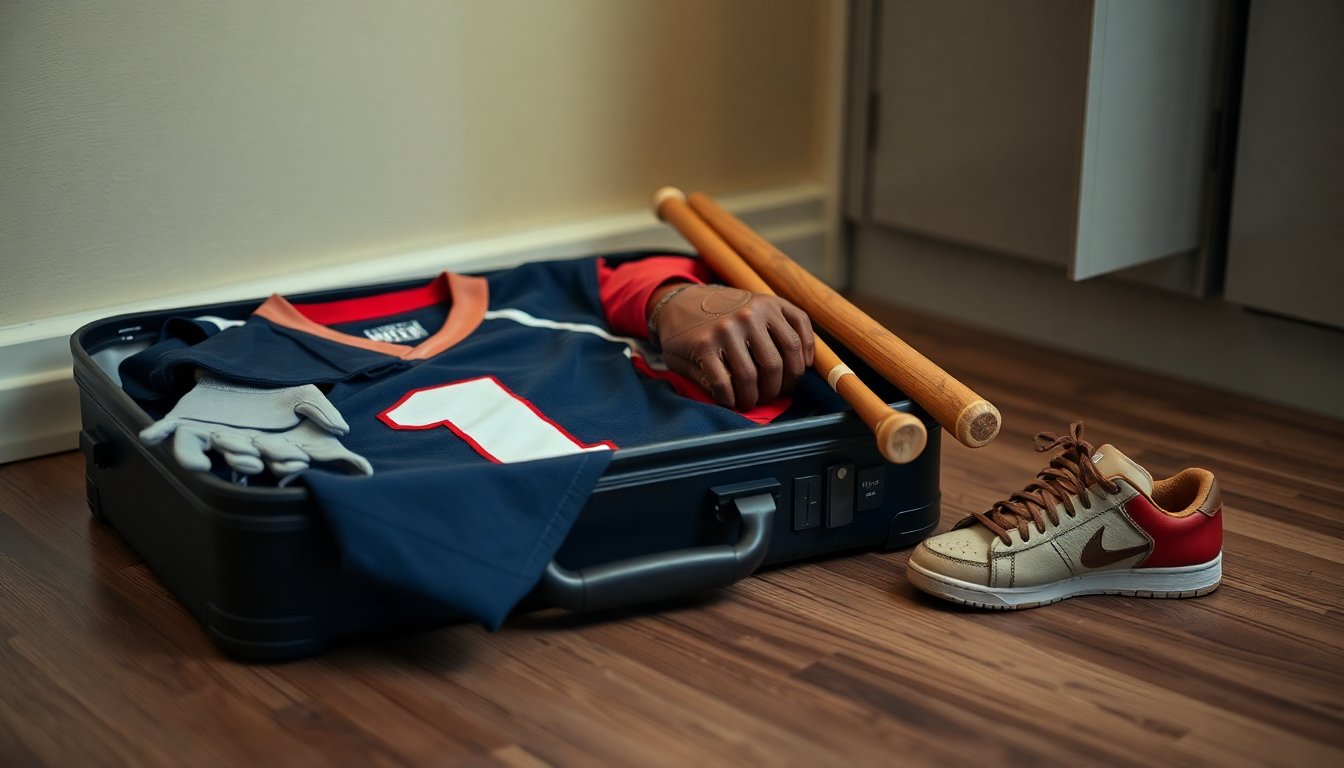
Kyler Murray‘s professional future changed abruptly after the Arizona Cardinals told the quarterback they plan to release him at the start of the new league year. The decision will make Murray a free agent, free to negotiate with any NFL franchise and to consider a return to professional baseball.
Murray’s athletic trajectory is rare. He starred in both football and baseball at the University of Oklahoma. He won the Heisman Trophy and threw for more than 4,000 yards and 42 touchdowns in 2018. Major League Baseball scouts also pursued him. The Oakland Athletics selected him ninth
How we got here: injuries, contract issues and team performance
The final phase of Murray’s seven-year NFL tenure was marred by health and organizational problems. He sustained a persistent foot injury that limited him to five appearances last season and resulted in placement on injured reserve. Those setbacks coincided with a franchise slump that produced a 3-14 record. Backup quarterback Jacoby Brissett handled most snaps as the team searched for answers. The organization also decided to move on from head coach Jonathan Gannon, adding to the uncertainty. From an organizational perspective, injuries and leadership turnover combined to derail the season and shape the decision to part ways.
From an organizational perspective, injuries and leadership turnover combined to derail the season and shape the decision to part ways.
The club still faces a significant salary commitment. Reports indicate the player is owed approximately $36.8 million for the upcoming period. His five-year contract signed in 2026 — originally worth around $230.5 million — included a now-removed study clause that drew scrutiny at the time.
Behind the scenes: franchise calculus and player options
Team executives weighed several factors before moving to release the player. Medical risk from recurring injuries, on-field production, and the cost of retaining a veteran all featured prominently.
From a roster-management perspective, cutting the player once the new league year begins preserves salary-cap flexibility. That flexibility can fund multiple roster upgrades rather than a single high-cost contract.
From an ESG perspective, sustainability is a business case even in sports operations. Long-term competitive sustainability depends on balancing immediate performance needs with prudent financial stewardship.
Teams pursuing a rebuild often prioritize younger, cheaper talent with upside. Leading organizations have understood that spreading financial risk across the roster can produce more consistent results.
Contract architecture also shaped options. Guaranteed money and injury protections limited trade alternatives, narrowing the front office’s choices to restructure, trade, or release.
Practically, releasing the player shifts the calculus for both sides. The team secures short-term budget relief. The player becomes a free agent with the opportunity to seek a new role and to rehabilitate value on the field.
The Cardinals released Murray as a roster and salary-cap move and not solely as a football decision. The player becomes a free agent with the option to seek another NFL role or to pursue a rare return to professional baseball. He signed a baseball contract when drafted by the Athletics that included a signing bonus of approximately $4.66 million, which keeps the MLB pathway viable.
MLB possibility: Oakland’s stance
The Oakland Athletics have left the door open. A’s general manager David Forst told MLB.com the club would be receptive if Murray and his representatives want to explore a baseball comeback. Forst described the option as long-term and flexible rather than an active recruitment.
From a roster-management perspective, the move reflects cost control and long-term planning. Murray must weigh remaining NFL opportunities against the uncommon chance to restart a baseball career; his prior signing bonus preserves that option. Discussions between his camp and the Athletics would determine whether the possibility advances into concrete offers or workouts.
Murray’s baseball pedigree is substantive. He played outfield at Oklahoma and entered professional baseball as a top draft pick. Returning to baseball at 28 would be uncommon but not unprecedented. Such a move would require a structured development plan that accounts for time away from organized professional play.
What a transition would look like
A shift back to Major League Baseball would hinge on rebuilding baseball-specific skills. That process would include intensive minor-league assignments, targeted training to restore arm strength and route-running, and a phased workload plan. Teams would also set realistic timelines for progress and performance benchmarks. Conversely, remaining in the NFL would invite scrutiny of recent medical history, lateral mobility and fit in offensive systems that can exploit a dual-threat skill set.
Public reaction and Murray’s message
Public reaction has been mixed among fans, analysts and prospective employers. Some observers emphasize the rarity and upside of a successful two-sport return. Others stress the developmental time and injury risk. Murray has offered limited public comment on a definitive path. His camp and interested clubs are expected to prioritize medical clearance and controlled workouts before making roster commitments.
From a broader management perspective, teams must treat the decision as a long-term human-capital choice. From an ESG perspective, that means balancing short-term performance aims with player health and sustainable career management. Leading organizations will evaluate the business case for investing in a tailored rehabilitation and development program if they pursue him.
Following the Cardinals’ notification, Murray issued a public farewell to fans. He expressed gratitude and regret for not being the player to end the franchise’s championship drought. In his message he thanked supporters for their kindness and offered well wishes to the community and his former teammates. The statement framed his departure as a personal and emotional moment after years in Arizona.
For clubs and observers, immediate questions are practical. Which NFL teams will pursue him, and will he seriously consider a return to baseball. The Athletics have indicated openness to discussions about a baseball comeback. Potential NFL suitors must weigh upside against recent injury risk and contract implications.
Looking ahead: scenarios and stakes
Leading organizations will evaluate the business case for investing in a tailored rehabilitation and development program if they pursue him. Sustainability is a business case applies here: teams must assess long-term roster resilience and medical spend against potential on-field returns. From an ESG perspective, player welfare and transparent medical governance factor into deal terms.
One scenario sees a franchise offering a short-term, incentive-heavy contract with performance and health milestones. Another would be a longer commitment accompanied by a comprehensive recovery plan managed by the club’s medical and performance staff. Each approach alters financial exposure and roster flexibility.
Baseball discussions would require a distinct pathway. A transition back to baseball demands an individualized development timetable and likely minor-league innings to rebuild timing and defensive consistency. Clubs considering that route must balance immediate roster needs with a multi-year player-development outlook.
Teams that move first will need clear evaluation frameworks. Independent medical reviews, structured incentives, and defined rehabilitation benchmarks will shape negotiations. Leading companies have understood that aligning medical strategy with contract design reduces uncertainty.
Market movement will follow medical clarity and the player’s stated intent. The next developments to watch are formal medical reports, any agent statements, and which clubs present concrete offers tied to defined recovery plans.
Next steps and what teams will weigh
Formal medical reports, any agent statements and which clubs submit offers tied to defined recovery plans will shape Murray’s immediate options. Teams will assess short-term availability and long-term durability when considering a contract.
From an ESG perspective, franchises will also evaluate roster sustainability and risk management. Sustainability is a business case when balancing performance upside against financial and roster commitments for a rare two-sport athlete. How clubs translate that assessment into structured offers will determine whether Murray resumes his NFL career or pursues a return to baseball, and it will influence contract norms for hybrid athletes going forward.