
Table of Contents
Reunion of father and son highlights immigration policy concerns
Five-year-old Liam Conejo Ramos and his father, Adrian Conejo Arias, have reunited with their family in Minnesota after a challenging period of detention. Their release followed a federal judge’s intervention, who criticized the government’s stringent immigration policies that have caused distress for many families.
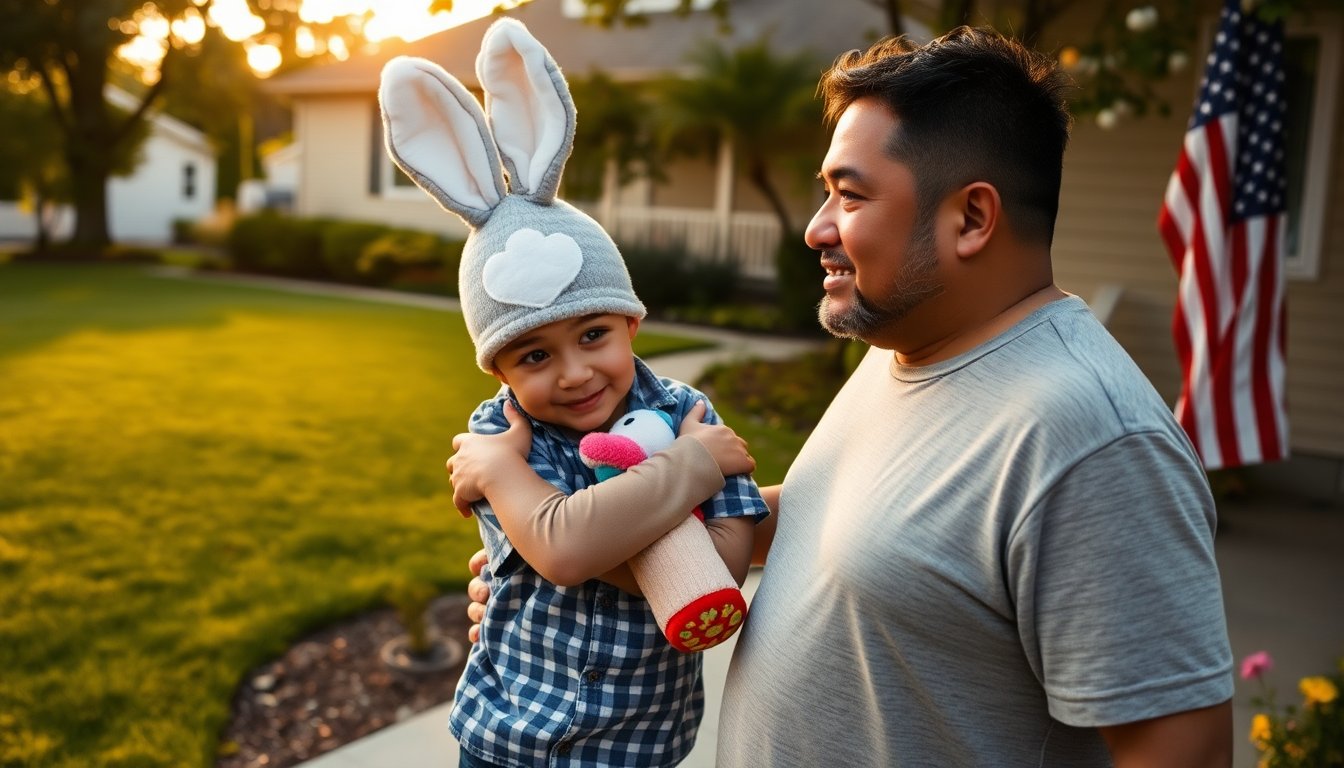
This case has garnered significant public attention, particularly due to images of Liam wearing a bunny hat and carrying a Spider-Man backpack. These visuals have sparked both anger and sympathy across the nation, highlighting the emotional toll of current immigration practices.
Detention and release
The father and son were apprehended by immigration officials in a Minneapolis suburb on January 20, 2026, and were later transferred to a detention center in Dilley, Texas. This transfer raised significant concerns regarding the treatment of families during immigration enforcement, especially when children are involved. Katherine Schneider, a spokesperson for Representative Joaquin Castro, confirmed that they returned home after enduring a long and challenging ordeal.
Political and community response
The images of young Liam surrounded by immigration officers ignited considerable outrage. Numerous community leaders and political figures expressed their disapproval of the immigration crackdown, highlighting that children should not be subjected to such environments. Senator Amy Klobuchar of Minnesota voiced her relief at their return, asserting that children belong in school and with their families, not in detention facilities.
During their journey back, Representative Joaquin Castro wrote a heartfelt letter to Liam, acknowledging the significant support he received from his community. In the letter, he assured the boy that he had “moved the world” and reminded him that America’s strength stems from its diverse immigrant roots. This message resonated with many who advocate for the importance of welcoming immigrants.
Legal challenges and public outcry
On February 1, 2026, U.S. District Judge Fred Biery ruled in favor of a family, stating their case exemplified the adverse effects of the government’s pursuit of deportation quotas. This ruling highlighted the unnecessary trauma faced by children in such situations. It marked a victory for Liam and his father, while also delivering a significant critique of the current immigration policy.
The judge’s decision underscored the troubling implications of using children as leverage in enforcement actions. Reports suggested that Liam was allegedly used as “bait” by immigration officers, a claim the Department of Homeland Security strongly denied, calling it an “abject lie.” They contended that Adrian had fled the scene, leaving Liam unattended in a running vehicle. This contradiction has intensified discussions about the ethics of immigration enforcement practices.
The impact on local communities
The emotional toll on communities affected by immigration raids has been significant. School officials have reported heightened anxiety and fear among students and their families. At a recent news conference, Mary Granlund, chair of the local school board, voiced her concerns about the school environment, stressing the importance of safe spaces for all families. The repercussions of such detentions extend well beyond the individuals involved, impacting the emotional well-being of entire communities.
As families navigate the complexities of immigration laws, the experiences of Liam and Adrian highlight the personal stories behind the statistics. The ongoing dialogue surrounding immigration policies remains critical, as it directly influences the lives of vulnerable populations.
Looking ahead
The return of Liam and his father signifies a pivotal moment in their lives and underscores the urgent need for reform in immigration policies. Advocates are pressing for a more humane approach to immigration enforcement that prioritizes the welfare of children and families. As the nation grapples with these issues, the voices of those directly affected must remain central to the ongoing conversation.
The story of Liam Conejo Ramos and his father embodies resilience and hope. Their experience has ignited a renewed commitment among community members and lawmakers to advocate for justice and compassion in immigration practices, ensuring that no child faces such trauma in the future.