
Table of Contents
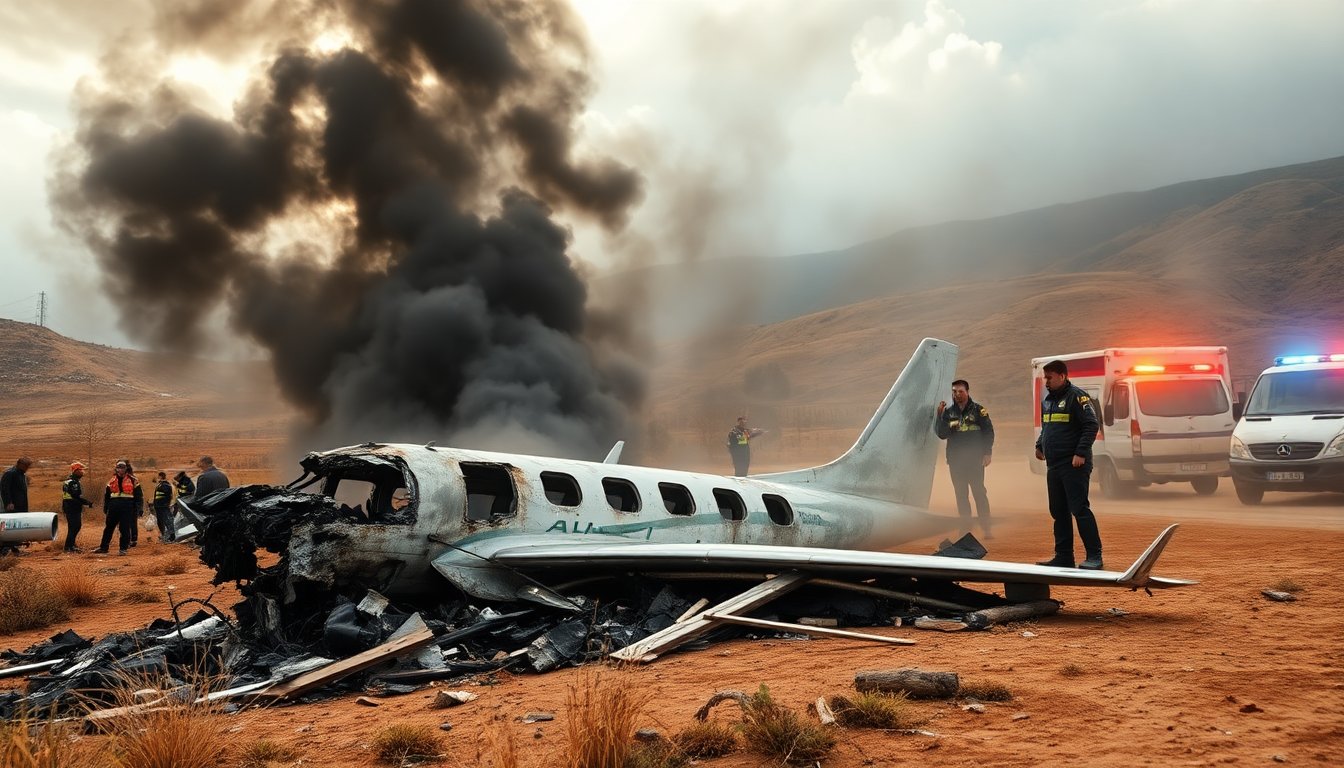
A private jet crashed in Turkey, resulting in the deaths of eight individuals, including Libya’s military chief. The aircraft, carrying five high-ranking officials and three crew members, met with tragedy shortly after takeoff, leaving no survivors.
This incident has prompted Libya’s Prime Minister to label it a profound tragedy, impacting not only the families of those lost but the nation as a whole. The loss of such key figures in Libya’s military hierarchy presents significant challenges for a country already navigating a complex political landscape.
The impact of the crash on Libya’s military structure
The implications of this incident are substantial. Libya has faced years of conflict, with military leadership playing a crucial role in maintaining stability amidst chaos. The sudden loss of these officials raises concerns about the future direction of the military and its ability to address ongoing challenges.
Significance of military leadership
Military leaders typically form the backbone of a nation’s defense strategy. In Libya’s context, the military has been integral to various operations aimed at restoring order and ensuring national security. The absence of these leaders could create a vacuum, potentially undermining operational effectiveness and strategic planning.
Moreover, the loss of experienced officials may slow down decision-making processes, which could have dire consequences for Libya’s military engagements. The government’s ability to coordinate responses to threats is now compromised, which may embolden opposing factions.
National mourning and implications for governance
In the wake of this calamity, Libya has entered a period of mourning. The Prime Minister’s statement reflects the widespread sentiment of loss felt across the nation. Families, friends, and associates of the deceased have expressed their grief, while the public grapples with the uncertainty that follows such a significant loss.
Political ramifications
This tragic event also opens discussions about the political ramifications for Libya. As the country seeks stability, the loss of military leadership could lead to shifts in power dynamics. The government may need to reassess its strategies and appoint new leaders to fill the void left by this incident.
Additionally, the international community will closely monitor how Libya navigates this crisis. The responses from both military and political spheres will likely shape future relations with other nations, especially those concerned with Libya’s security and stability.
The ongoing struggle for stability
The plane crash in Turkey marks a dark chapter in Libya’s ongoing struggle for peace and stability. The loss of the military chief and other officials is not just a personal tragedy for their families but also a national crisis that could hinder the country’s ability to maintain order.
As Libya mourns, it is crucial for the government to unite and find a way forward amidst the uncertainty. The resilience of the nation will be tested as it seeks to navigate these turbulent waters and ensure that the sacrifices of these leaders are honored through continued efforts toward peace and stability.