
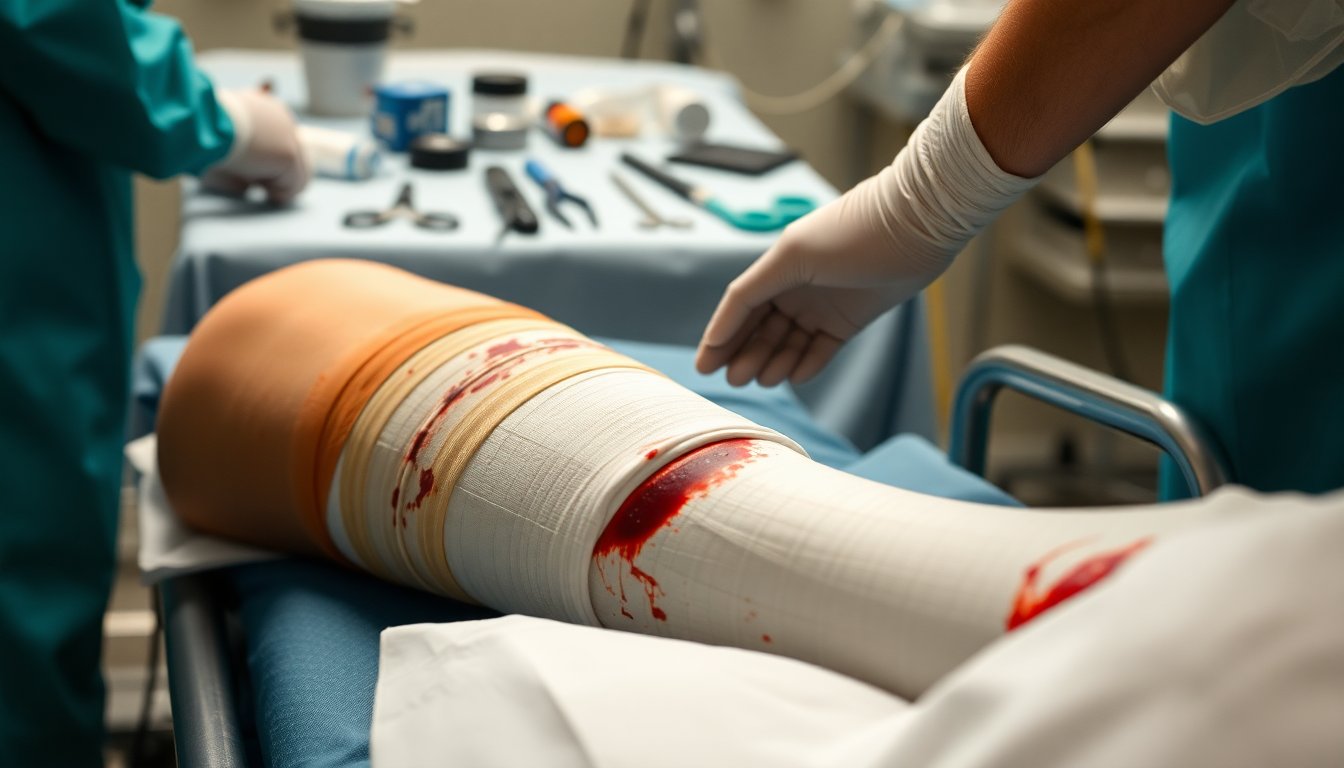
Veteran ski champion Lindsey Vonn crashed hard during the Olympic women’s downhill at Milano‑Cortina on Feb. 8, suffering a complex tibia fracture in her left leg and developing acute compartment syndrome — a dangerous rise in pressure inside the muscle compartments that can cut off circulation and quickly threaten tissue viability.
How things went from bad to critical
– Vonn had already torn the ACL in her left knee on Jan. 30 at a World Cup race. Less than two weeks later, she clipped a gate early in the Olympic downhill and went off course.
– The second, high‑force impact caused internal bleeding and rapid swelling in the leg. That swelling escalated into compartment syndrome, where rising pressure within the enclosed muscle compartments can block blood flow, damage nerves and muscle, and — if not relieved promptly — lead to permanent loss of function or even amputation.
A lifesaving response on site
Team medical staff recognized the swelling and escalating compartment pressures and moved immediately. Dr. Tom Hackett, the orthopedic surgeon who was on site in Cortina, performed an emergency fasciotomy — a surgical release of the fascia (the connective tissue surrounding muscle compartments) to relieve pressure and restore blood flow. Vonn has credited Dr. Hackett’s swift action with preserving her limb.
What happened in surgery and afterwards
– Surgeons combined the fasciotomy with procedures to fix multiple fractures; the operation lasted several hours and included a blood transfusion to manage blood loss and stabilize Vonn’s condition.
– After initial stabilization in Italy, Vonn was discharged and transferred back to the United States for continued care. Post‑op management has focused on infection prevention, wound care and staged closure of the fasciotomy incisions.
– Rehabilitation will be gradual and closely monitored. Restoring strength, mobility and function after this combination of fracture repair and compartment syndrome typically requires phased physical therapy and may involve additional procedures depending on recovery progress.
Vonn’s perspective and the wider lesson
Vonn has described intense pain and temporary immobility — she is currently using a wheelchair — but she praised the surgical team and emphasized that racing despite a prior ACL tear was a deliberate choice. Her account mixes realism about a long recovery ahead with determination to rehabilitate.
Medical observers say this episode highlights two points:
– Traumatic leg injuries can deteriorate very quickly; early recognition of compartment syndrome and prompt fasciotomy are crucial to save tissue and preserve limbs.
– Warning signs after a high‑velocity fall include pain out of proportion to the injury, rapid or severe swelling, numbness or weakness, and changes in skin color or pulses. These signs should prompt immediate medical assessment, whether the injured person is an elite athlete or a recreational skier.
Lindsey Vonn’s case is a reminder of both the risks of alpine racing and the difference that quick, expert care — in this case led by Dr. Tom Hackett — can make when minutes matter.