
Table of Contents
The Louvre Museum, recognized globally as a leading cultural institution, is experiencing significant turmoil. Recent developments have brought this iconic landmark to a critical juncture, as ongoing strikes by its workforce not only highlight labor-related grievances but also expose serious flaws in its operational framework. The situation intensified following a dramatic jewel heist that unveiled severe security vulnerabilities.
Background of the crisis
The unrest among Louvre staff is rooted in issues that extend beyond immediate labor disputes. Initially sparked by inadequate staffing levels and unsustainable working conditions, the protests have gained traction following the theft of jewelry valued at an astonishing US$102 million. This daylight heist laid bare the museum’s alarming security deficiencies, leading staff to voice concerns about their safety and the overall integrity of the institution they represent.
Staffing shortages and financial cuts
The Louvre is experiencing significant staffing shortages amid a surge in visitors, averaging around 30,000 daily. Since 2010, the museum has reduced its workforce by approximately 200 jobs, from a total of about 2,000 positions. Despite the increasing number of tourists, museum management has implemented budget cuts, decreasing state funding by €5.7 million for the upcoming year. This decision exacerbates the challenges faced by remaining employees.
Protests and demands
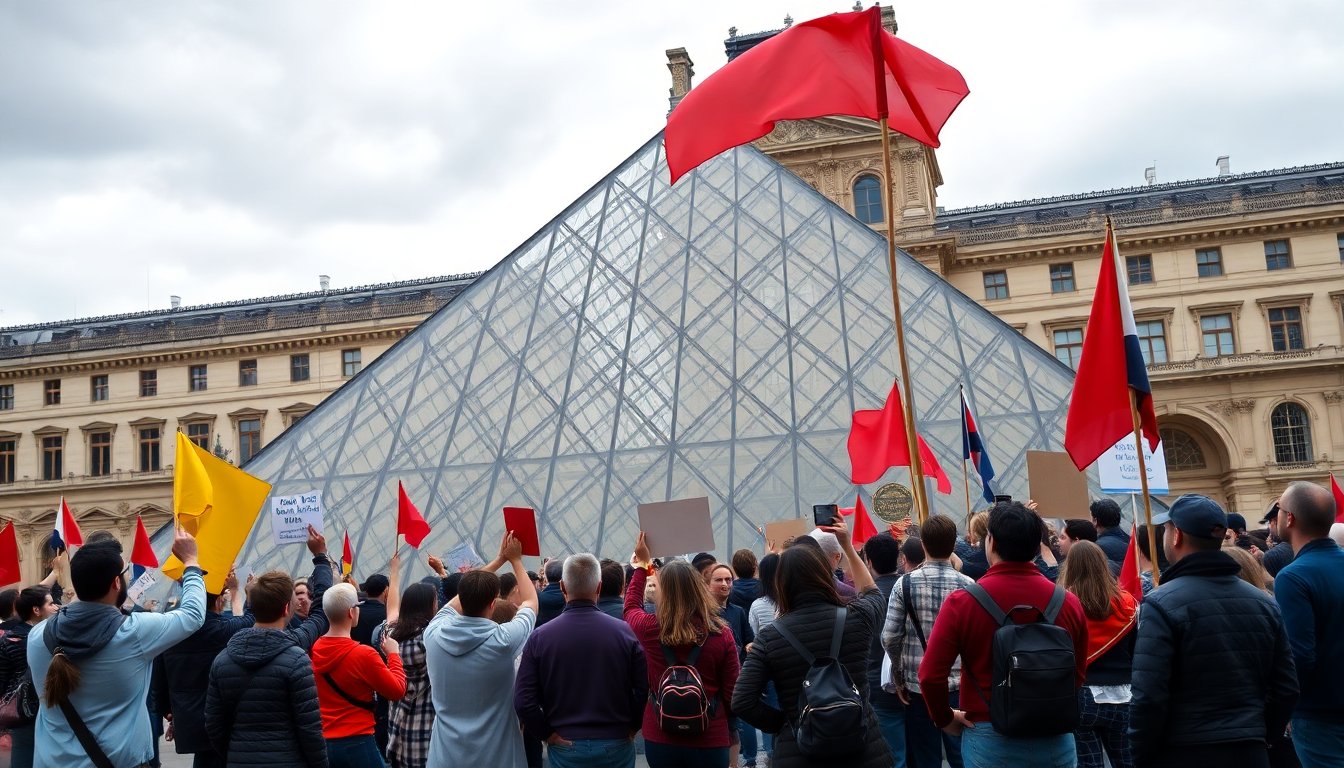
In light of deteriorating conditions, museum staff have voted overwhelmingly to initiate an indefinite strike. This action, supported by various unions including CGT and CFDT, reflects a collective frustration with management’s failure to address ongoing concerns. Protesters are demanding not only better wages but also improved working conditions and increased staffing levels.
Security issues exacerbated by the strike
The security challenges at the Louvre have intensified due to the ongoing strike. With a significant portion of the workforce participating in the protest, the museum’s ability to operate safely is severely compromised. This situation has resulted in the temporary closure of the museum, which traditionally closes on Tuesdays, but now remains closed indefinitely.
Reactions from leadership and future implications
Following the protests, the museum’s administration faces significant challenges in maintaining operations during the busy tourist season. Although efforts to keep the Louvre open to visitors have been made, the high level of staff participation in the strike has rendered these attempts largely ineffective. Management’s reassurances regarding visitor safety and security have not been well received, especially in light of the recent jewel heist, which has raised concerns about the museum’s operational integrity.
The director of the museum, Laurence des Cars, has expressed a pressing need for reforms to the French government. In her appeals, she emphasized the risks associated with the museum’s aging infrastructure and the need for a comprehensive funding strategy. The government’s response has been a controversial initiative called Louvre Nouvelle Renaissance, which aims for extensive renovations with a projected cost exceeding €1 billion. This plan has drawn criticism for its high costs and its misalignment with the immediate needs of the museum’s workforce.
Ongoing crisis at the Louvre museum
The crisis at the Louvre museum highlights the vulnerabilities of cultural institutions facing both internal and external challenges. As the strike persists, uncertainties loom over the museum’s operational capacity and the security of its famous collections. Resolving this dispute will necessitate immediate action on labor issues and a sustained commitment to addressing the fundamental challenges that jeopardize the museum’s future.