
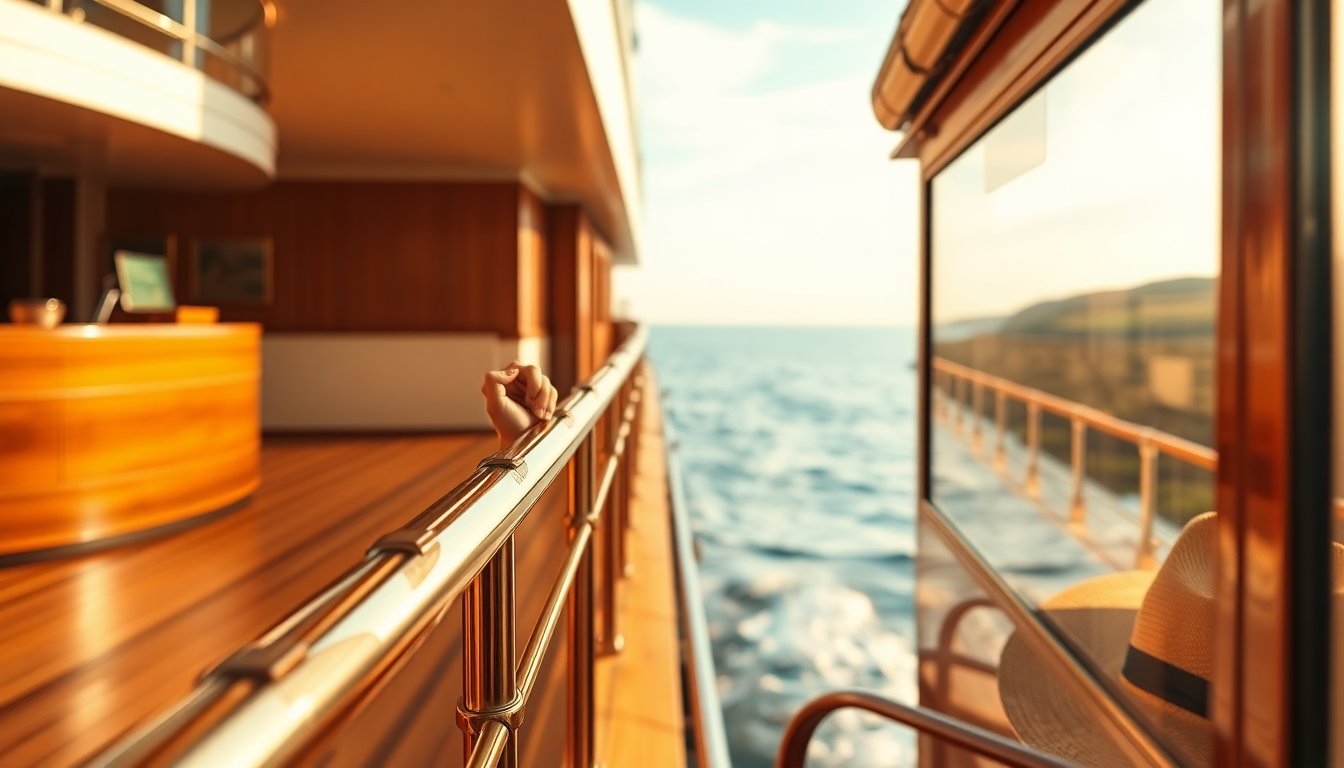
There’s something cinematic about combining a luxury cruise with a celebrated rail journey: travel becomes the main event. Rather than racing from one sight to the next, you move through curated moments—a long, slow ribbon of ocean, then the intimate, ever-changing frame of countryside seen from a train window. Restored 1920s carriages, panoramic observation lounges and cross‑country sleepers sit comfortably alongside shipboard pools and lounges, creating a holiday that unfolds like a novel, scene by scene.
Why this pairing works
– Dramatic contrasts: Open sea gives you broad horizons, salt air and on‑deck leisure; trains bring you close to villages, vineyards and hidden corners that cruises can’t reach. Alternating between the two stretches one destination into many.
– Better pace: These itineraries are designed so travel time becomes part of the experience. You move more slowly, which lets landscapes sink in instead of being ticked off a list.
– Seamless logistics: Specialists coordinate schedules, move your luggage and often include overnight hotel stays so transfers feel effortless rather than frantic.
Classic combinations and ideal regions
Travel operators often marry ocean voyages with iconic rail routes for maximum atmosphere. Picture the Venice Simplon‑Orient‑Express paired with Mediterranean or Central European sailings for that golden‑age glamour. In Australia, the Indian Pacific or The Ghan work beautifully alongside a coastal cruise to give both island and interior perspectives. In Asia, journeys like the Maharajas’ Express or the Eastern & Oriental Express make perfect complements to port calls and inland heritage visits. Step off a ship and you’ll slip into a different tempo—more time to explore palaces, wineries and small towns without the headache of booking every leg yourself.
What life on board looks like
– Train character: Heritage carriages focus on period detail—formal dining, observation cars, and cleverly designed compact cabins. Meals are often set and elegant, staff ratios are high, and guided off‑train excursions are part of the appeal.
– Ship comforts: Cruises offer broader dining options, larger cabins and more entertainment venues. Together, ship and train balance nostalgia with modern convenience.
– Practical touches: Most operators include luggage transfers and timed connections, so you’re not juggling bags between piers and platforms.
Planning and packing (smart tips)
– Buy bundled fares: Combined tickets generally cost less than booking each leg separately and simplify transfers.
– Travel light: Heritage trains have limited storage. One carry‑on plus a single checked bag keeps movements between ship, train and hotel easy.
– Dress in layers: Coastal breezes and inland temperature swings call for adaptable clothing.
– Book excursions early: Small‑group or private tours—especially to UNESCO sites or boutique wineries—fill quickly.
– Get logistics in writing: Confirm embarkation/disembarkation points, luggage arrangements and transfer times before you leave.
Time, value and accessibility
Rail legs often replace short domestic flights, trading speed for scenery. That may add travel days, but it also cuts airport stress and gives you memorable vistas that you won’t get from 30,000 feet. When weighing options, consider total time spent exploring each day rather than only nightly rates.
Check cancellation and change policies carefully—multi‑leg itineraries are more exposed to weather or local disruptions. If you have mobility needs, request detailed cabin layouts and accessibility information for both ship and train, and ask about shore‑visit alternatives where needed.
Picking the right itinerary
– History and glamour: Choose heritage carriages, formal dining and cultural stops curated by the operator.
– Vast landscapes: Opt for transcontinental routes with long daylight hours in observation lounges and well‑timed off‑train excursions.
– Photo‑centric or social travel: Favor trains with communal observation areas and scheduled scenic passages.
– Pure relaxation: Look for fewer same‑day activities and more hotel nights.
Watch the fine print
Inclusions matter—meals, drinks, Wi‑Fi, guided tours and hotel nights can dramatically affect the Timed connections between ship, hotels and stations are a sign of careful planning. Before you book, compare the total cost per travel day and read the operator’s baggage and transfer policies so there are no surprises.
In short: a cruise + rail combination turns transit into travel, layering slow, reflective sea time with intimate, land‑level discovery. If you want a journey that lingers—full of changing light, unexpected villages and elegant carriage lounges—this hybrid approach is hard to beat.