
Table of Contents
The situation in Ukraine remains critical as the conflict with Russia marks day 1,431. Recent military actions and ongoing diplomatic efforts have significantly shaped the landscape, highlighting the persistent struggles faced by both sides. Key incidents have emerged that require immediate attention.
Recent military actions in Ukraine
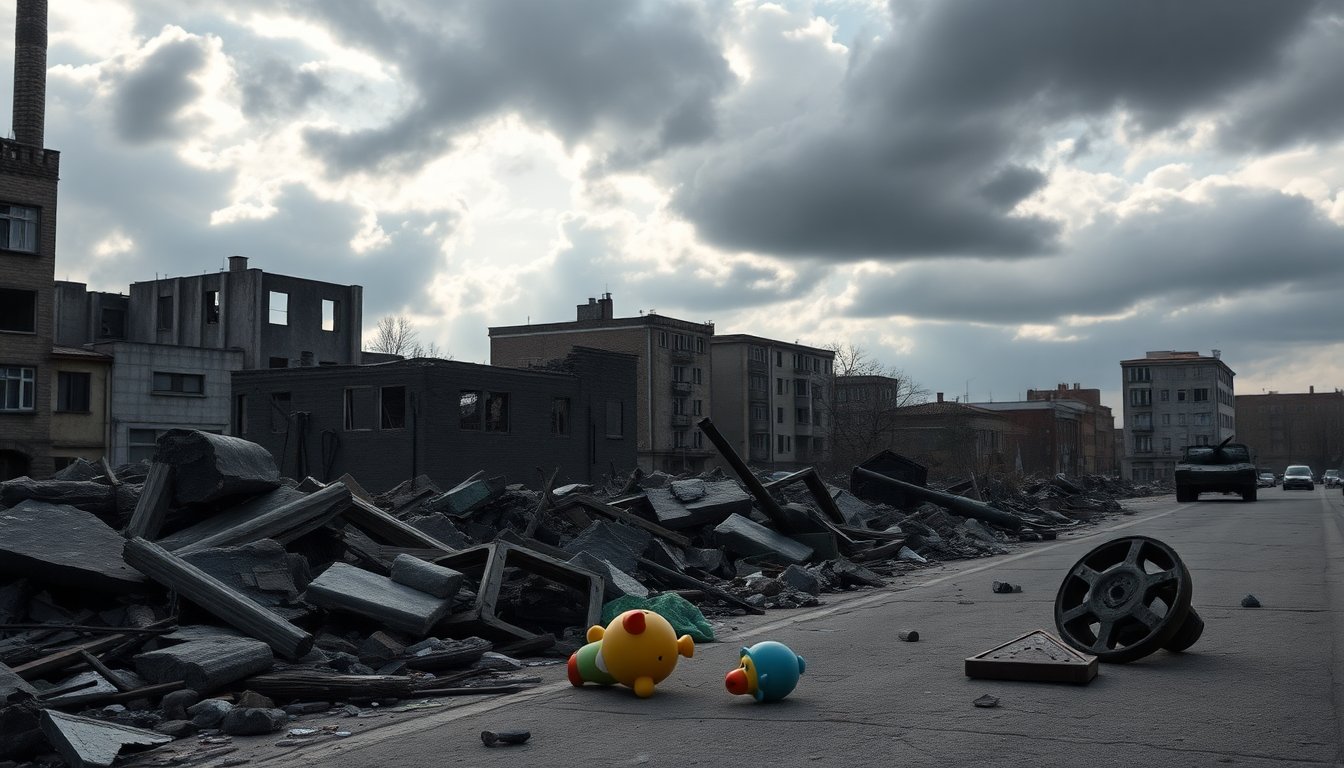
In a troubling development, Russian forces launched a significant offensive against Ukraine overnight on January 25. This attack resulted in the death of at least one person and left four others injured in the capital, Kyiv. Additionally, the strikes caused extensive power outages, affecting approximately 1.2 million properties across the country. The military administration in Kyiv reported strikes in at least four districts, including damage to a medical facility.
Impact on Kyiv and surrounding areas
Kyiv Mayor Vitali Klitschko noted that the northeastern suburb of Troyeshchyna was particularly affected, with 600 buildings experiencing a lack of power, water, and heating. The Ukrainian Air Force reported that Russian forces deployed an alarming total of 375 drones and 21 missiles, including two rarely used Tsirkon ballistic missiles.
Kharkiv, Ukraine’s second-largest city, also suffered severe consequences from the same assault. At least 30 individuals, including a child, were reported wounded due to drone strikes that targeted various areas, including a dormitory for displaced persons and a maternity hospital.
Energy Minister Denys Shmyhal confirmed that over 800,000 households in Kyiv were without power, alongside an additional 400,000 in the Chernihiv region. By late evening, Deputy Prime Minister Oleksii Kuleba reported that more than 3,200 buildings in Kyiv still lacked heating, although this number had decreased from 6,000 earlier in the day, amid freezing temperatures averaging around -10 degrees Celsius (14 degrees Fahrenheit).
Diplomatic efforts amidst the conflict
As military tensions rise, attempts at diplomatic resolution are ongoing. Representatives from Ukraine and Russia concluded discussions in Abu Dhabi without reaching a peace agreement on the second day of U.S.-facilitated talks. Ukrainian President Volodymyr Zelenskyy emphasized that the primary focus of the negotiations was to discuss potential parameters for ending the conflict. However, details regarding the proximity to a deal remain unclear.
Prospects for continued negotiations
Further discussions are expected next Sunday in Abu Dhabi. A U.S. official reported that negotiators experienced a notable level of respect during the dialogues, indicating a genuine interest in finding solutions. Hopes are also high for subsequent meetings, potentially in Moscow or Kyiv, which could include a direct encounter between President Zelenskyy and President Vladimir Putin, or possibly a trilateral meeting involving U.S. President Donald Trump.
The Russian Ministry of Foreign Affairs has indicated a willingness to engage in further discussions with Ukrainian representatives in Istanbul, following the talks in Abu Dhabi. This suggests a degree of openness to dialogue amid ongoing hostilities, as the international community closely monitors these developments.
Meanwhile, the conflict continues to take a toll on civilians. Recent images depict residents waiting in line for drinking water during power outages caused by attacks on critical infrastructure in Kyiv. The humanitarian impact of the war remains significant, underscoring the urgent need for sustained support and relief efforts.