
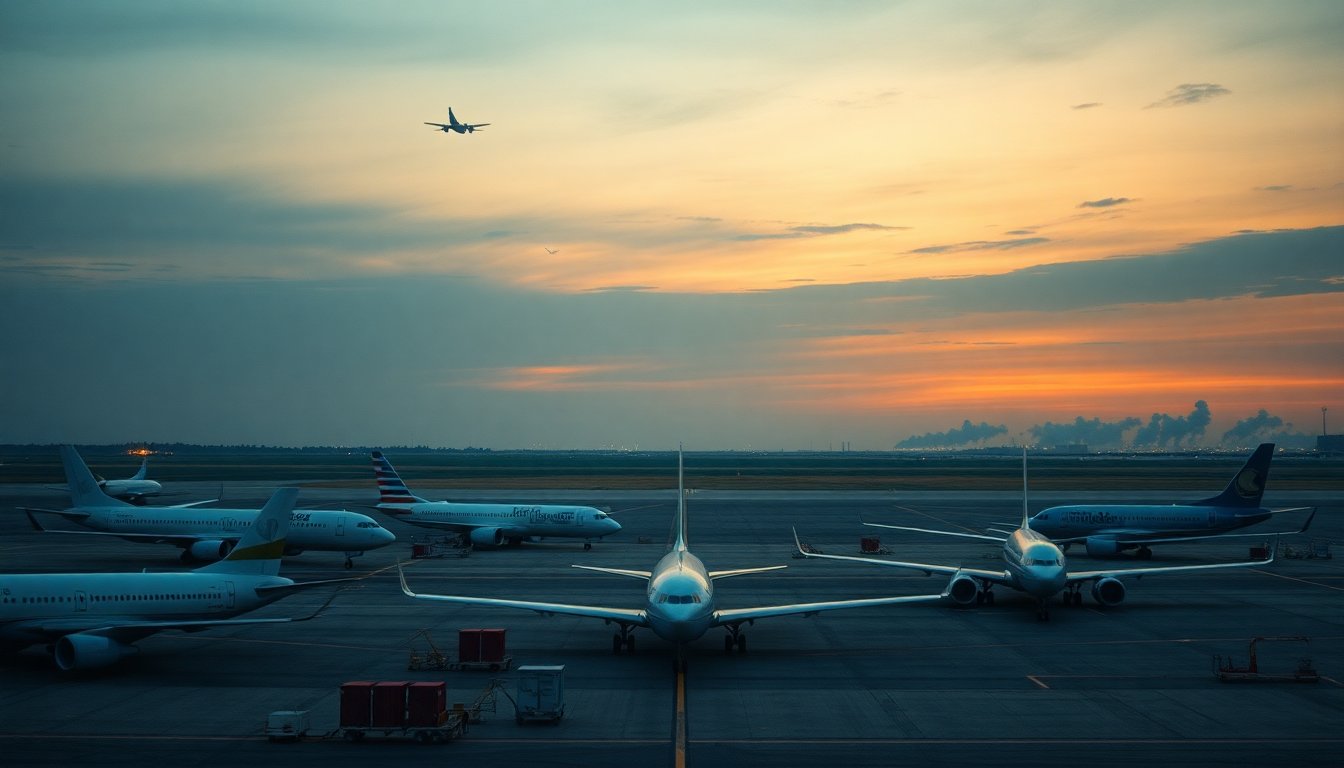
The strikes on Iran on Feb. 28, set off more than explosions — they scrambled skies across the Middle East, grounded thousands of passengers and sent diplomacy into overdrive. What began as targeted US‑Israeli strikes quickly rippled into missile and drone reprisals from Tehran, forcing countries to shut or tightly restrict airspace and throwing airports, airlines and shippers into chaos.
What happened Early on Feb. 28, US and Israeli forces struck sites Tehran says were tied to its leadership and military networks. Within hours Iran launched missiles and unmanned aerial vehicles toward Gulf capitals and coalition facilities. Smoke plumes were visible over parts of Tehran; across the region, air‑raid alerts and emergency measures went into effect. The fast escalation left authorities facing a stark choice: keep skies open and risk civilian flights, or close corridors and upend global travel.
Airspace and airports: immediate fallout Governments reacted by limiting routes or sealing off whole sectors of airspace. Major hubs felt the blow instantly. Dubai suspended operations at Dubai International and Al Maktoum, forcing carriers to cancel services, stop new bookings and reassign aircraft. Other Gulf airports tightened restrictions and implemented curfews around critical infrastructure. For airlines, the result was a jumble of canceled flights, diverted routings and longer, fuel‑hungry detours.
How flights and freight were affected Flight‑tracking data recorded a sharp spike in diversions and delays. Air traffic control scrambled to manage heavier loads on alternate corridors, introducing flow‑management measures to avoid bottlenecks. Long‑haul carriers burned extra fuel and stretched crew limits; regional and low‑cost operators took the brunt of short‑notice cancellations. Freight chains snapped too — time‑sensitive cargo missed connections, schedules slipped and insurers and shippers prepared for higher premiums and claims.
On the ground: security and civilian impact Iran’s counterstrikes reportedly targeted Israeli territory and US bases in the region, while Israeli defenses intercepted many incoming threats. Several Gulf capitals reported strikes and some casualties; civil defense protocols activated in multiple cities. Airports and other transport links tightened security. Humanitarian groups began rapid assessments as services and local economies felt the knock‑on effects.
Diplomacy in motion The diplomatic phone lines lit up. The UN Security Council met after Iran requested action; the UN chief urged restraint and de‑escalation. Public positions split: the UK condemned the strikes and boosted protection for its personnel, the EU opened emergency security talks, China called for renewed negotiations, and Russia denounced the attacks as unprovoked. Behind the scenes, quieter channels hummed as leaders tried to stop the exchange from widening into something far worse.
Washington’s internal debate In the US, senior officials described intense internal discussions over the decision to strike. The administration said the action aimed to protect American forces and regional partners; critics in Congress demanded fuller briefings and a legal rationale. Oversight committees requested classified briefings and signaled possible hearings or legislative responses if further military steps were taken.
What travelers and shippers should do now If you’ve got travel plans, don’t show up at the airport without checking airline alerts and government travel advisories. Carriers are urging customers to postpone non‑essential trips through affected regions until authorities reopen routes. Shippers and logistics managers should brace for delays, route changes, and rising freight costs — and double‑check coverage limits on insurance for conflict‑related disruption.
Why this matters beyond the headlines This episode underscores how quickly regional clashes can spill into global systems: commercial aviation, supply chains and diplomatic ties all move fast and can be knocked off course just as quickly. For travelers and businesses, the immediate headaches may ease once airspace reopens, but the political and economic aftershocks could influence policy and costs for weeks to come.
If you’d like, I can condense this into short alerts for passengers, a checklist for logistics teams, or a timeline of events to share with your audience.