
Table of Contents
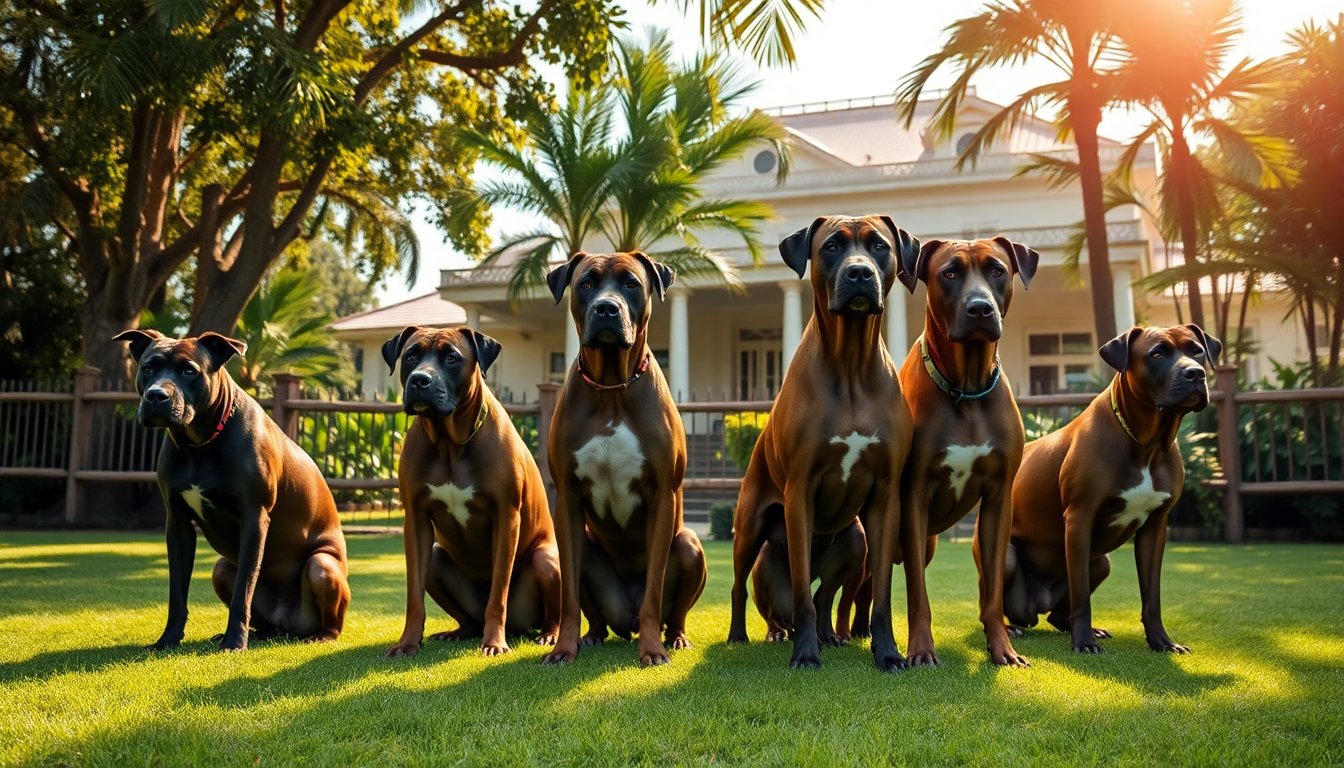
In a surprising twist in Malawi’s political landscape, a custody battle has emerged over a group of dogs tasked with protecting the president. These animals, regarded as more than pets, serve as guardians against intruders and are believed to offer protection from witchcraft. This unusual dispute has garnered attention for its implications on governance and its reflection of cultural beliefs within the nation.
The outgoing president has opted to retain ownership of several of these canine protectors, igniting a conflict that raises questions about authority and tradition. This development underscores the significant role animals play in the political and cultural arenas of Malawi, particularly during a time marked by change and uncertainty.
The significance of guard dogs in Malawi
In many cultures, dogs symbolize loyalty and protection; however, in Malawi, they hold a deeper significance. The guard dogs, traditionally seen as protectors, are believed to possess the ability to ward off negative energies and malevolent forces, often linked to witchcraft. This belief is rooted in the community’s historical connections to spiritual practices and the supernatural.
Witchcraft and its cultural implications
Throughout history, accusations of witchcraft have often been directed at individuals, particularly women, in various societies. In Malawi, these claims can have serious repercussions, reflecting a broader discussion on gender and power. The ongoing belief in witchcraft influences perceptions of authority and governance, as leaders are often expected to possess both political acumen and spiritual strength.
As the custody battle unfolds, it becomes clear that the dogs are not just animals; they embody a cultural narrative intertwined with political identity. The outgoing president’s choice to keep these dogs signifies a desire to maintain control not only over his security but also over cultural practices that resonate deeply within Malawian society.
The political ramifications of the custody dispute
This custody battle over the dogs transcends mere ownership—it represents a struggle for power and influence within Malawi’s political landscape. With the incoming administration, uncertainty looms regarding how these traditions will be honored or changed. The dogs symbolize the outgoing regime’s commitment to preserving cultural norms amid a shifting political environment.
Presidential security and cultural beliefs
The role of these dogs extends into the realm of presidential security, where their presence is believed to deter not only physical threats but also spiritual ones. This intertwining of security and spirituality illustrates the complexity of governance in Malawi, where the political and the metaphysical are often closely connected.
As discussions continue regarding the rightful ownership of these dogs, the case highlights broader themes of tradition versus modernity. The outcome may set a precedent for how Malawian society navigates its cultural heritage in the face of evolving political dynamics.
This custody battle ultimately embodies wider societal issues, including the status of women and perceptions of power. As the nation grapples with the implications of this dispute, it reveals the intricate relationship between governance, culture, and the everyday lives of its citizens.