
The United States arrived in Milan-Cortina expecting fireworks. A record delegation of 232 athletes across 16 disciplines brought depth and ambition—but the first days of competition have produced jolts that reshaped the early storylines.
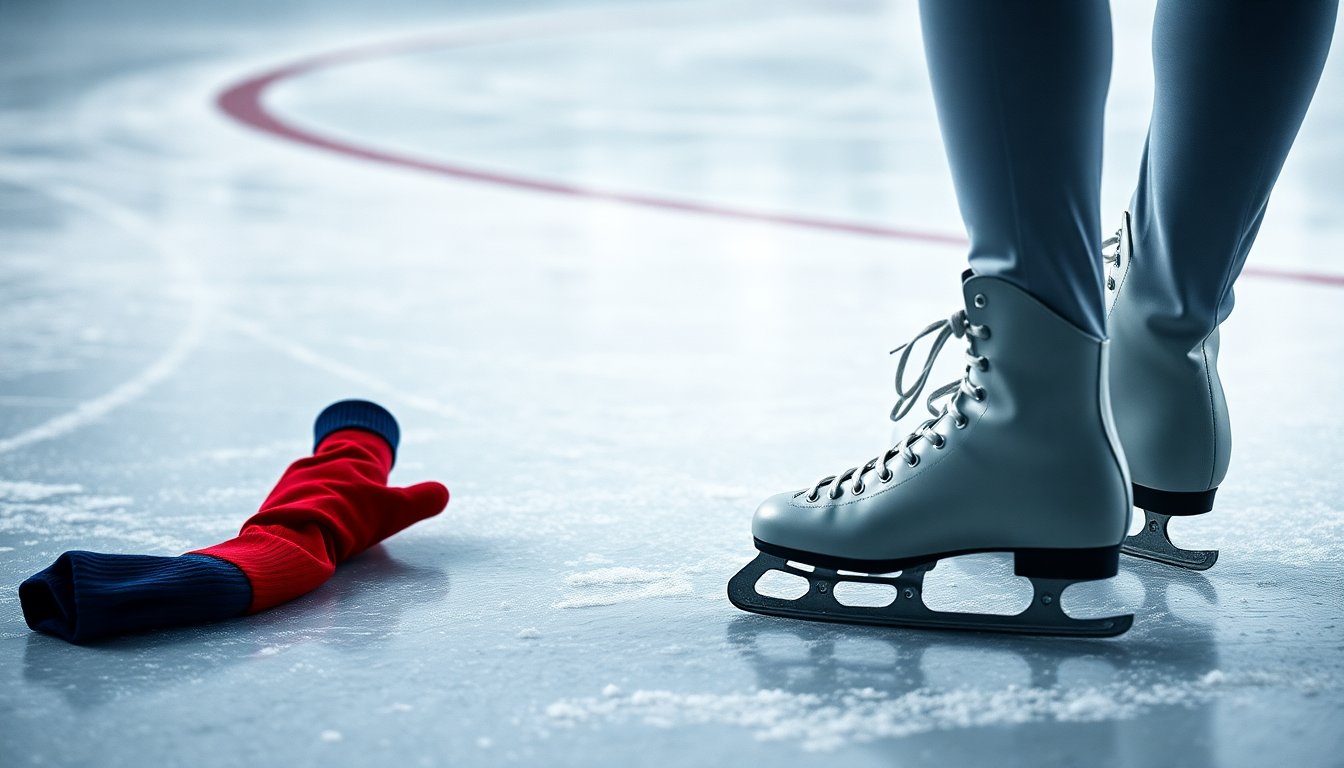
Most eye-catching was Ilia Malinin’s night. Touted for his technical audacity and quadruple jump prowess, he stumbled through a free skate that cost him a spot on the podium; he finished eighth. What looked like a gold-laced script before the Games instead became a reminder that even the most cutting-edge athletes can be undone by a single, high-stakes moment.
That tension between brilliance and fragility has played out elsewhere. Figure skating’s margins tightened as rival nations delivered cleaner programs, and a few pre-Games favorites in other sports faltered under bright lights. Italy and Norway sit atop the early medal table, with Norway leading in golds—an outcome that underscores how quickly momentum can swing at a compact Olympic meet.
Beyond headlines, these results pose practical questions for Team USA. Depth remains an asset: several Americans have already met or exceeded expectations, and medal chances persist in events that haven’t reached their finales. But early setbacks force choices—about who shoulders more pressure, which athletes should be protected from extra risk, and where coaches should concentrate support in the coming days. With competitions crammed together, there’s little time for prolonged recovery or reinvention.
Malinin’s skate crystallizes the dilemma teams face as technical ceilings rise. He attempted the elements that made him a frontrunner—quad jumps and complex transitions—but execution errors and under-rotations drew penalties that outweighed base values. It wasn’t a lack of difficulty so much as the cost of a mistake at the most consequential moment. The same innovations that push a sport forward also magnify the fallout when they don’t land.
Inside the U.S. camp, responses are already underway. Coaches and staff are trimming routines, emphasizing cleaner repetitions in practice, and leaning on sports psychologists to help competitors regain focus. Rather than wholesale changes, the immediate aim is pragmatic: restore confidence, tighten entry mechanics on key elements, and manage the mental load so athletes perform with routine rather than reaction. For athletes yet to compete, those tweaks could be the difference between a missed opportunity and a medal chance.
Team USA’s mixed opening reflects a broader truth about short tournaments: variance rules. A few flawless nights can vault a nation up the table; a handful of errors can drop it back down. That volatility rewards teams that adapt quickly—shifting recovery windows, recalibrating risk in programs, and concentrating resources where the probability of podium returns is highest.
Media narratives will evolve alongside results. Early dominance stories give way to human interest arcs—rebounds, unexpected breakthroughs, and the small dramas that unfold in warm-ups and athlete villages. For American fans, that means the story of these Games could still tilt hopeful if contenders regroup and the team’s depth translates into steady finals appearances.
What to watch next: whether athletes marked as high risk under pressure can stabilize key elements, and how coaching staffs prioritize events where the marginal gain is largest. Measured interventions—short, targeted mental sessions, simulated competition scenarios, tightened warm-up protocols—are likely to matter more than sweeping strategy shifts. Above all, composure will be the scarce commodity; teams that preserve it stand the best chance of turning early setbacks into late successes.
If Milan-Cortina so far has offered a lesson, it’s this: technical innovation and national depth create opportunity, but Olympic outcomes are forged in small, precise moments. For Team USA, the coming sessions will reveal whether early stumbles were momentary slips or the start of a deeper recalibration. Either way, the Games promise more twists—and plenty of chances for athletes to rewrite the narrative.