
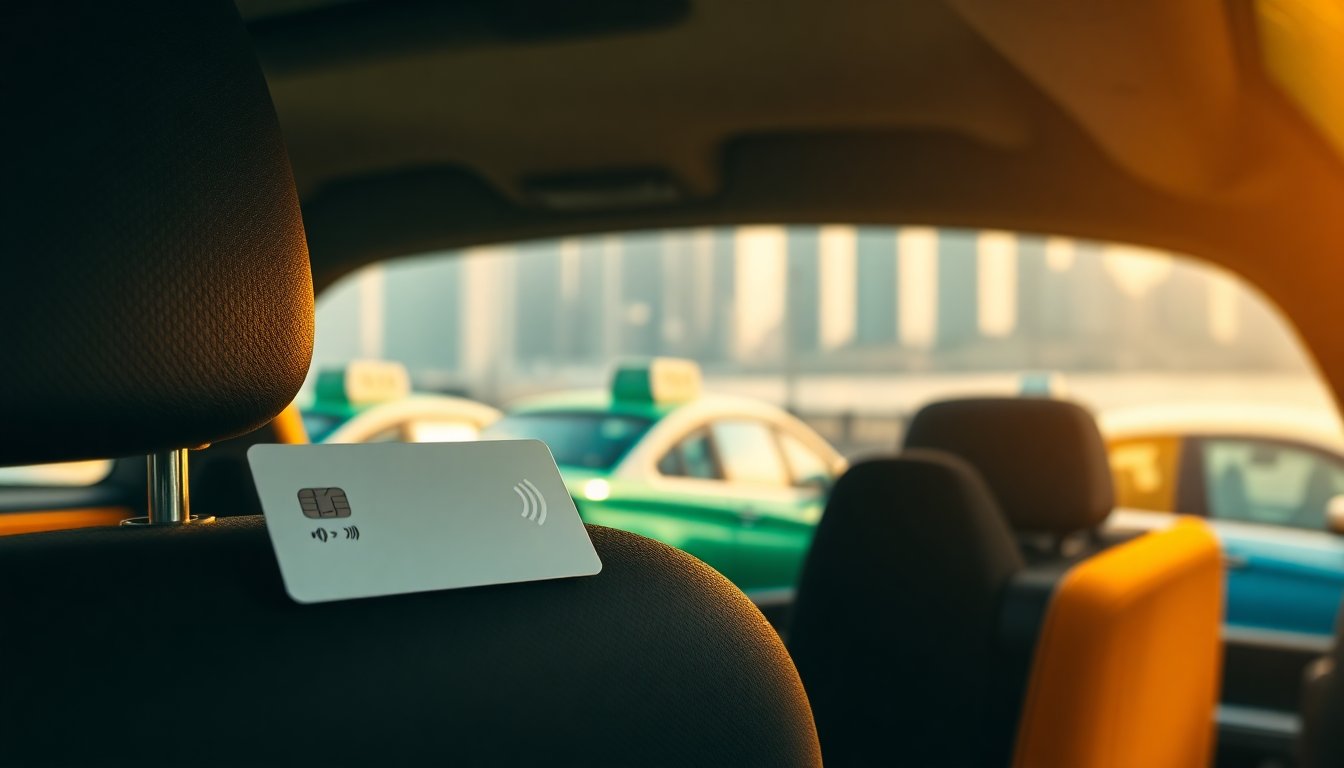
The transport landscape in Hong Kong has moved decisively toward cashless travel. From 00:00 on 1 April 2026, a new regulation requires every one of the city’s 18,163 red, green and blue taxis to accept at least two forms of electronic payment. These options typically combine a QR-code wallet such as AlipayHK or WeChat Pay HK with a contactless payment like Octopus or major bank cards. The rule is intended to reduce the friction of small-change transactions for residents and visitors alike and to align taxis with other public transport services that moved to digital payments since early 2026.
Implementation has been rapid but supported by a mix of industry and government measures. A government subsidy of HK$300 million helped fund dual-system terminals, and platform providers report widespread adoption: AlipayHK says its service is available to about 46,000 taxi drivers, while authorities and industry groups say more than 47,000 drivers now have terminals or accounts that accept multiple e-payment methods. Passengers will see stickers on taxi windows listing accepted payment types, and reporting channels such as the 1823 hotline have been highlighted to handle breaches.
What the mandate requires and how it is enforced
The regulation mandates that each taxi offers at least two electronic payment channels, a mix that can include a QR-code wallet, a contactless scheme like Octopus, card payments, or fast-transfer platforms. The policy is framed to help tourists and business travellers avoid carrying small Hong Kong-dollar notes and to simplify expense reconciliation through electronic receipts. Non-compliance carries penalties that the Transport Department has made clear: drivers face fines up to HK$5,000 and potential jail terms of up to six months. Enforcement relies on visible signage, spot checks and citizen reports, which are meant to create both deterrence and accountability.
Operational details and passenger guidance
To reduce confusion at the meter, taxis display accepted payment methods on rear windows and at taxi stands. Riders are advised to confirm payment options before boarding and to keep an eye on electronic receipts that can prove fare amounts for corporate accounting or reimbursement. Card schemes such as Visa and Mastercard say cross-border wallet displays often show fares in the passenger’s home currency to limit foreign-exchange surprises. Because ride-hailing services remain limited by regulation, taxis often remain the main late-night option, making reliable electronic payment essential for after-hours travel.
Driver uptake and support measures
The rollout has combined private platform outreach with on-the-ground assistance. Payment companies and banks staffed dedicated counters at government car parks in Sheung Wan, Kwai Fong and Tsuen Wan to help drivers open accounts and set up terminals. Industry observers report strong uptake: startup firms running meter-linked devices have registered thousands of active drivers, and mainstream platforms promoted innovations such as driver-specific QR codes that remove the need for separate terminals in some cases. Drivers report shorter transaction times and fewer cash-handling risks, which can translate into more trips per shift.
Financial and technical assistance for drivers
Beyond the HK$300 million subsidy for hardware, payment providers have emphasized zero or low fees for taxi onboarding to speed transition. Features promoted include instant settlement, no withdrawal charges for certain wallet types and simplified reconciliation tools for fleet operators. For drivers who lack reliable mobile connectivity, meter-linked point-of-sale devices and integrated systems such as those offered by government-approved vendors provide a more stable alternative. The combination of subsidy, vendor support and visible commuter benefits has contributed to broad compliance.
Passenger and tourism impact
For travellers — particularly visitors from the mainland and other markets accustomed to QR payments — the change reduces a longstanding pain point. The move is expected to smooth journeys during busy travel periods and to encourage more predictable cashless spending across the city’s mobility network. Corporate travel managers benefit from automated receipts and simplified expense processing. The overall shift also feeds into Hong Kong’s smart-mobility agenda, as integrating contactless and QR methods across buses, ferries and rail helps create a more seamless, digitally native transport ecosystem.


