
Table of Contents
The recent shooting in a Manhattan office tower has left many in the city reeling, sparking urgent conversations about workplace safety and mental health. This tragic event unfolded on a Monday evening, shattering the calm of an otherwise vibrant area of New York City. As we learn more about what happened, it’s clear that this incident isn’t just an isolated occurrence; it highlights deeper issues that urban environments face, particularly in high-stress workplaces.
Breaking Down the Incident
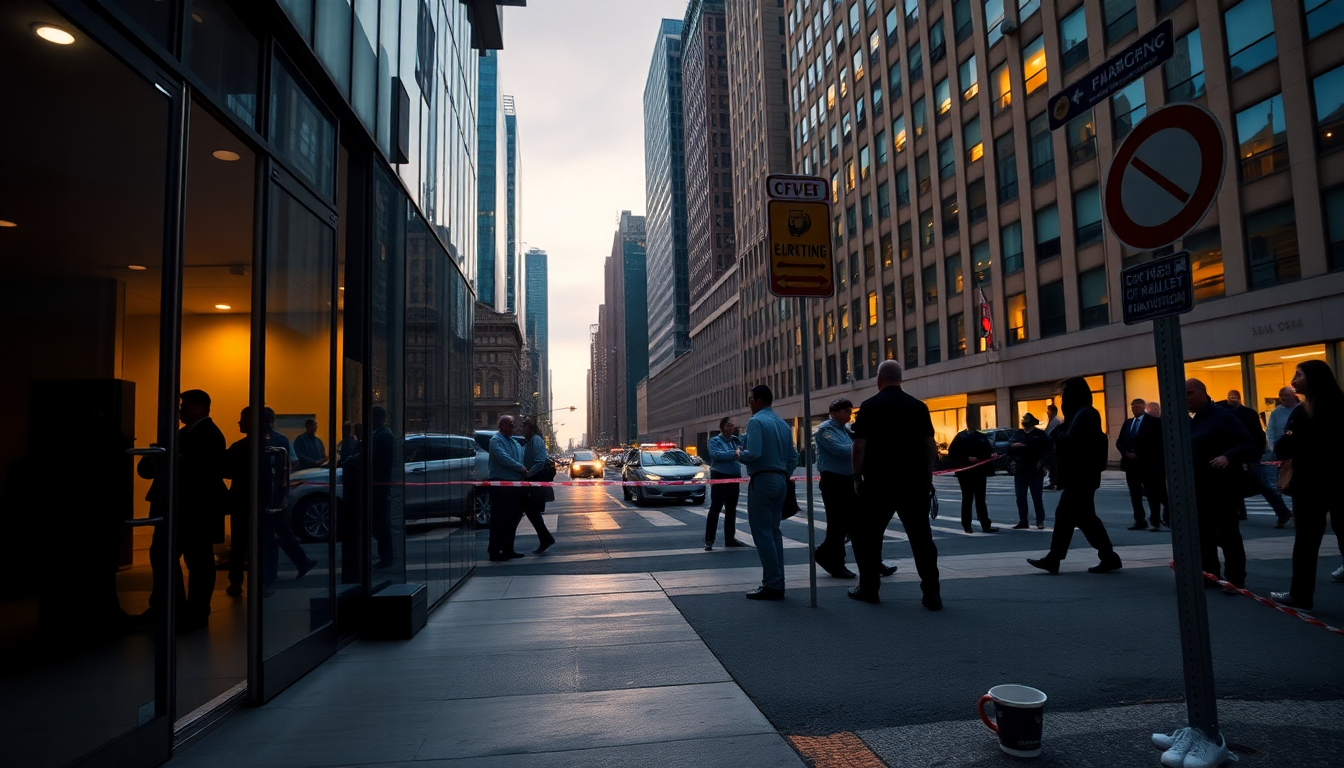
On that day, Shane Tamura, a man from Las Vegas, entered a prominent skyscraper housing notable tenants like the NFL and Blackstone. Armed with an M4 rifle, he unleashed chaos, tragically taking the lives of four individuals, including NYPD officer Didarul Islam. The shooting occurred just before the workday wrapped up, a stark reminder that even in seemingly secure spaces, violence can erupt.
Witnesses painted a harrowing picture of the scene as gunfire erupted, sending employees scrambling for safety. Surveillance footage showed Tamura calmly exiting a double-parked vehicle before entering the building. The fallout from this event has been heartbreaking—not only for those who experienced it firsthand but also for the larger community still grappling with the aftermath of such violence.
Understanding the Shooter’s Background
Investigators have revealed that Tamura had a documented history of mental health issues, although his specific motivations remain murky. Police Commissioner Jessica Tisch stressed the importance of uncovering why he targeted this particular location. Initial reports suggest that his vehicle traveled across several states, raising serious questions about his mental state and intentions leading up to the attack.
We can’t ignore the connection between mental health and violence in urban settings. As cities evolve, the demand for comprehensive mental health support becomes increasingly clear. This incident serves as a critical wake-up call for policymakers and communities alike to tackle these underlying issues head-on.
The Community’s Response
The shooting has sent shockwaves throughout New York City, particularly in the financial district where it occurred. In a city renowned as a global business hub, incidents of violence challenge our sense of safety. Following the tragedy, local leaders, including Mayor Eric Adams, have voiced their commitment to understanding the factors that led to this heartbreaking event and ensuring the safety of all citizens.
In the aftermath, many are advocating for heightened security measures in corporate settings, especially within high-profile buildings. The presence of NYPD officers in the affected area reflects ongoing efforts to bolster workplace safety, yet it raises questions about whether these measures are sufficient to prevent future incidents.
Moreover, we cannot underestimate the emotional toll on the families of the victims and the broader community. Officer Islam, who lost his life in the line of duty, left behind a family, including two young boys and a wife expecting their third child. This tragedy serves as a poignant reminder of the human cost involved, underscoring the need for community support and resilience in tough times.
Looking Ahead: Trends in Urban Safety and Mental Health
As New York City processes this shocking incident, it’s crucial to reflect on the wider implications for urban safety and mental health initiatives. While the city has witnessed a decline in violent crime rates in recent years, events like this remind us that we must remain vigilant. Prioritizing the conversation around mental health is essential to prevent future tragedies and foster a safer environment for everyone.
In conclusion, the shooting incident at the Manhattan office tower starkly illustrates the vulnerabilities present in urban life. Yet, it also emphasizes the critical need for proactive measures in mental health and public safety. As the city moves forward, we must cultivate a culture of awareness and support to ensure that such tragedies become a thing of the past.