
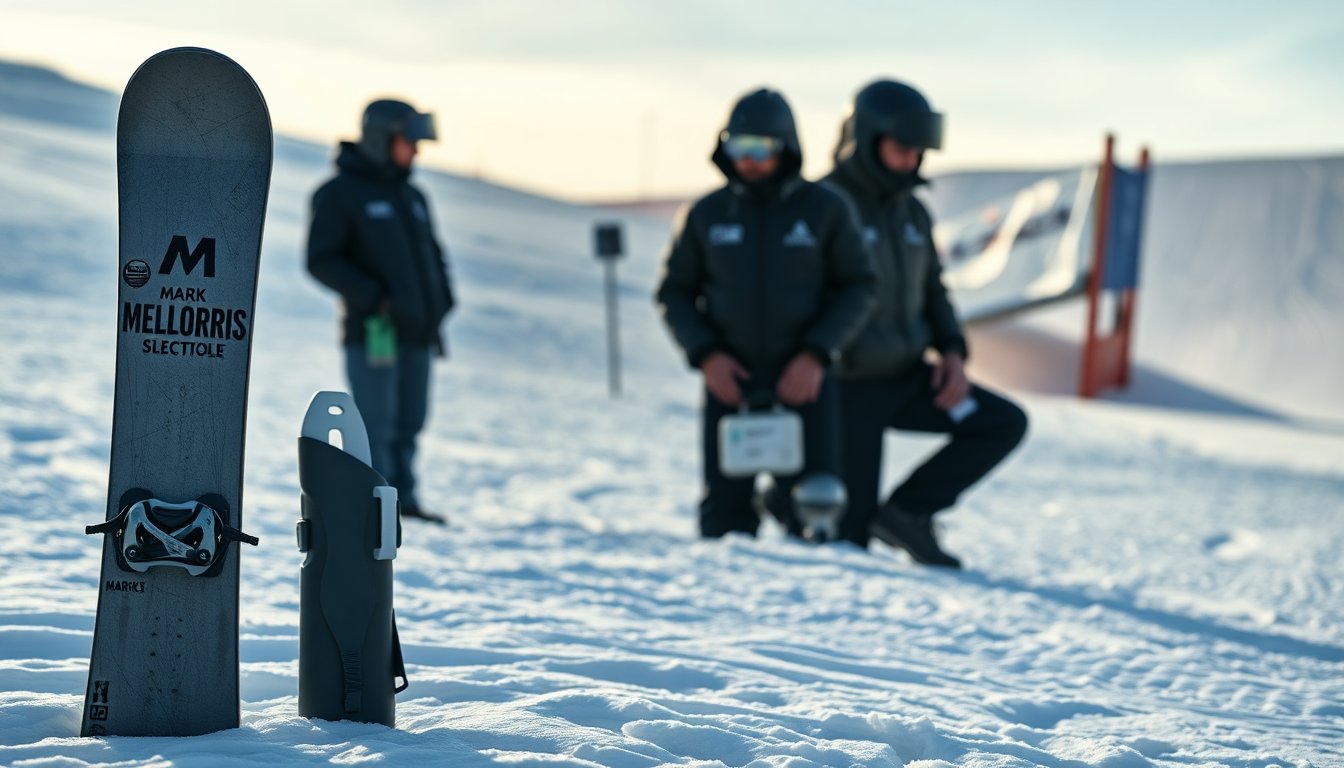
Headline: Mark McMorris cleared to train after Livigno crash — here’s what happened and what’s next for Milano Cortina 2026
Lede
Mark McMorris, Canada’s slopestyle superstar and three-time Olympic bronze medallist, was pulled from big air practice in Livigno after a crash on Feb. 4 that left him concussed. After a staged, medically supervised return, Team Canada cleared him to resume slopestyle training on Feb. 13 — but doctors are keeping things cautious as he targets Milano Cortina 2026.
Quick snapshot (for skimmers)
– Incident: Feb. 4 — practice crash in Livigno; diagnosed concussion, pelvic bruising, strained abs. – Immediate action: Withdrawn from big air; on-hill care and hospital follow-up. – Rehabilitation: Standard concussion protocol, serial cognitive and balance testing, progressive on-snow sessions. – Clearance: Feb. 13 — conditional, stepwise return-to-play under medical supervision. – Target: Slopestyle at Milano Cortina 2026, pending ongoing checks.
What happened — a clear timeline
– Feb. 4: McMorris lands awkwardly in big air practice, hits his head, reports disorientation and pain. On-site medics stabilize him; tests on the hill and at a medical facility diagnose a concussion plus bruising and abdominal strain. He’s pulled from the big air event. – Following days: Rest, serial neurological screenings, balance and exertion tests; physiotherapy ramps up slowly. Sleep disruption and stress are noted and addressed. – Feb. 13: After meeting objective benchmarks — cognitive scores, balance measures and exertional tolerance — team clinicians give conditional clearance to resume supervised slopestyle training. The clearance includes a graded plan and withdrawal criteria if symptoms return.
How they tested and cleared him
– The team followed a standardized concussion protocol: repeated cognitive checks, balance/vestibular assessments and monitored exertion tests. – Progression only happened after objective benchmarks returned to baseline, not just because McMorris “felt” better. – Clearance was contingent on stepwise on-snow rehearsals, physiotherapy reports, and sign-off from medical directors/neurology specialists.
What training looked like in Livigno
– Coaches and medics logged calm wind conditions and course setups that made repeated practice runs safe and predictable. – Rehab focused on balance drills, controlled airtime, and rebuilding timing for approach lines before attempting full high-rotation tricks. – McMorris reported feeling “pretty darn good” during supervised sessions, but clinicians emphasized slow load increases.
Who’s making the call
– Multidisciplinary panel: team physicians, a neurologist, physiotherapists, sport psychologists and coaches. – Event medical staff handled on-site emergency care; external specialists consulted when needed. – Final authority on return-to-play remained with the medical team, with organizers and selectors kept informed.
Why this matters — safety, career and credibility
– Concussion recovery is unpredictable: even when tests normalize, symptoms can reappear under heavy exertion. – The team’s cautious approach balances short-term performance goals with long-term brain health — especially relevant given McMorris’s history of major injuries. – Transparent, documented testing protects the athlete, the team and event organisers from scrutiny over rushed clearances.
Mental health and recovery
– Doctors recorded sleep problems and stress after the crash; a sport psychologist and sleep interventions were part of rehab. – Mental recovery — confidence, fear-avoidance and timing — was treated alongside physical rehab, using exposure drills and objective feedback.
What comes next
– Continued phased on-snow progression under direct supervision. Repeated neurocognitive and exertional tests before any competition entry. – Contingency plans: predefined withdrawal criteria and quick reassessment if symptoms recur. – Publicly: further medical reports and formal clearances are likely before travel and event registration. The priority from Team Canada is clear: measured progress and verified tests, not a fast return. That’s good news for his long-term health — and for any fans hoping to see him on the podium again.
Lede
Mark McMorris, Canada’s slopestyle superstar and three-time Olympic bronze medallist, was pulled from big air practice in Livigno after a crash on Feb. 4 that left him concussed. After a staged, medically supervised return, Team Canada cleared him to resume slopestyle training on Feb. 13 — but doctors are keeping things cautious as he targets Milano Cortina 2026.0
Lede
Mark McMorris, Canada’s slopestyle superstar and three-time Olympic bronze medallist, was pulled from big air practice in Livigno after a crash on Feb. 4 that left him concussed. After a staged, medically supervised return, Team Canada cleared him to resume slopestyle training on Feb. 13 — but doctors are keeping things cautious as he targets Milano Cortina 2026.1


