
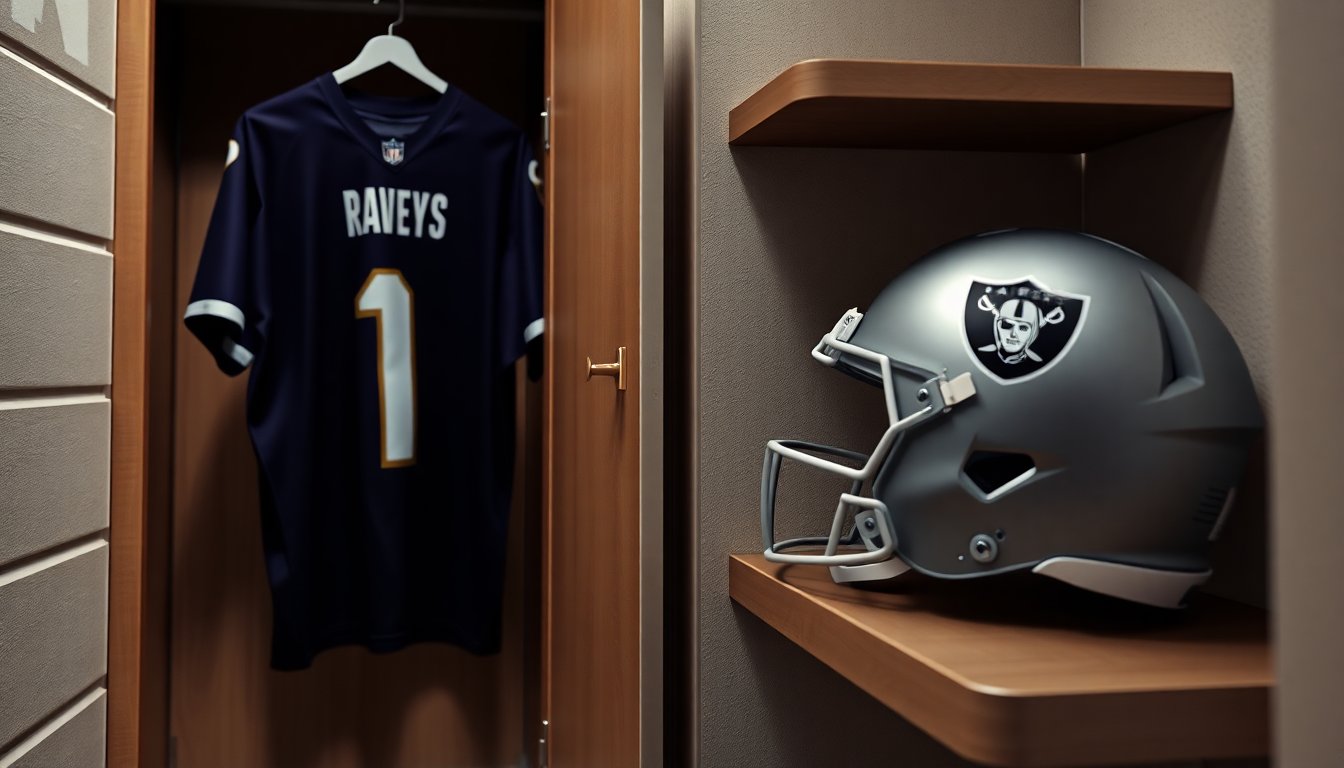
Lede Maxx Crosby is headed to Baltimore. The Ravens landed the five-time Pro Bowler in a blockbuster deal with the Las Vegas Raiders that sends two first-round picks — the No. 14 selection in the 2026 draft and a first-rounder — to Las Vegas. The trade instantly reshapes both rosters: Baltimore adds a proven edge weapon to speed up a title push, while the Raiders cash in a veteran cornerstone to jump-start a rebuild.
What happened (quick take) – Trade: Maxx Crosby → Baltimore Ravens – Compensation: 2026 first-round pick (No. 14) + first-round pick → Las Vegas Raiders – Big-picture split: Ravens buy immediate pass-rush help; Raiders convert salary and production into draft capital and roster flexibility.
Why the Ravens pulled the trigger Baltimore’s coaching staff and front office view Crosby as a plug-and-play upgrade for a defense built around pressure. Crosby’s blend of relentless motor, pass-rush IQ and situational disruption fits the new scheme coach Jesse Minter is installing. Expect the Ravens to rotate him in where pressure and turnover creation matter most, while managing snaps to preserve durability.
Why the Raiders let him go Las Vegas chose draft assets and payroll breathing room over retaining a high-cost veteran in the early Klint Kubiak era. With a multi-year rebuild on the board — including the No. 1 That signals an explicit shift toward youth, cost control and multi-season roster construction.
How the deal came together Front offices negotiated for weeks, trading valuation models, medical reviews and cap scenarios before landing on a package anchored by the No. 14 pick and a future first. Baltimore emphasized immediate schematic fit and postseason upside; Las Vegas prioritized guaranteed draft capital and protections that limit downside. Scouts and cap strategists on both sides ran the numbers, and coaching staffs weighed snap plans before final sign-off.
What this means on the field – For Baltimore: The pass rush should be noticeably stronger. Crosby’s ability to win outside and collapse pockets will change how opponents protect, likely improving pressure rates and third‑down defense. Rotational plans will aim to maximize his best snaps while protecting him for a playoff push. – For Las Vegas: Crosby’s absence creates a gap at the edge, but two first-rounders offer flexibility — pick up cornerstone starters, package to move up, or spread the capital across multiple needs (edge, OL, secondary). Expect younger edge players to see expanded roles immediately.
Draft fallout and strategy The Raiders now have options. Internal signals show they value the No. 1 pick in 2026 as a cornerstone — widely discussed as a likely spot to draft Indiana quarterback Fernando Mendoza — while the newly acquired No. 14 and first give them ammo to accelerate the rebuild or trade for immediate upgrades. Across the league, front offices are re-running draft-and-cap models; the market price for proven edge rushers just reset.
Financial and roster mechanics Both teams filed the required cap and roster paperwork; some contingent language tied to performance and postseason incentives remains private. Baltimore will finalize contract mechanics to make Crosby fit under the cap, and Las Vegas will fold the incoming picks into year-by-year cap plans and mock draft boards.
Key names involved – Maxx Crosby: veteran edge, five-time Pro Bowler, consistent pressure producer. – Klint Kubiak: Raiders coach steering an early-era roster reset. – Jesse Minter: Ravens coach whose scheme prioritizes pressure and aggressive front play. – Front offices, general managers, scouts, cap analysts and agents who drove negotiations, medical checks and valuation tradeoffs.
What to watch next – Official roster and depth-chart updates from both clubs. – How the Ravens deploy Crosby in coordinator packages and how they manage his workload. – Raiders’ draft-board moves: who they target at No. 1 and how they use No. 14 and first-round capital — trade-up, trade down, or spread the picks. – Early-season defensive metrics and preseason snaps that reveal whether Baltimore’s buy paid off and whether Las Vegas’s asset-driven strategy accelerates their rebuild. Baltimore traded future picks for immediate, high-impact talent to chase short-term gains. Las Vegas accepted short-term pain for long-term control: more picks, more flexibility, and a clearer path to rebuilding. The coming draft cycle and early-season film will be the real test of which approach works better.