
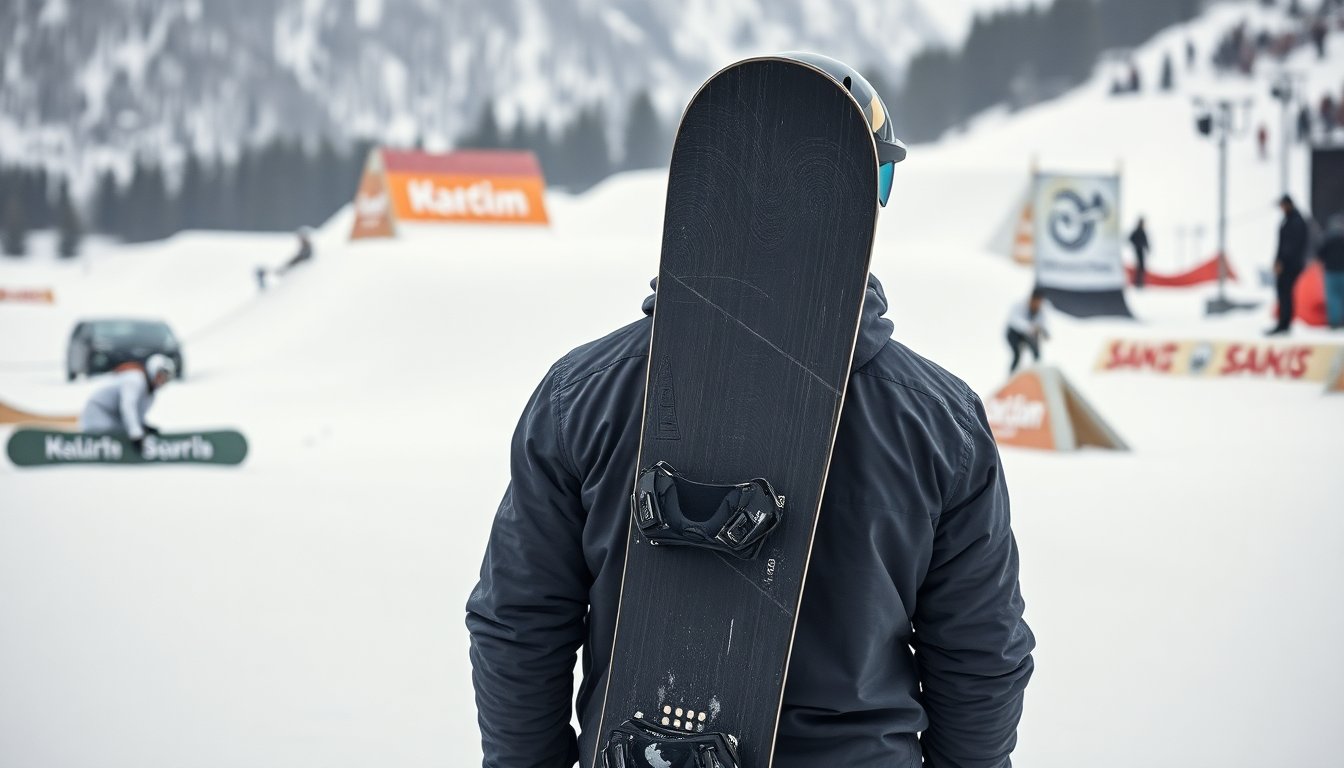
Mark McMorris pulled off a gutsy comeback in Livigno, booking his spot in the slopestyle final for Milan Cortina after returning from a scary training crash. The 32-year-old Canadian, who hit the deck on Feb. 4 and suffered a concussion, pelvic bruising and an abdominal strain, was back on a contest course on Feb. 15. He opened with an 81.81 and finished third in qualifying, good enough to advance into the 12-rider final and end weeks of uncertainty about his Olympic chances.
How he rode
McMorris chose prudence over theatrics. Under a format that counts each rider’s single best run, he put down two clean attempts and let execution do the talking—his 81.81 from the first run held up. After a monitored recovery and medical clearance, his plan in Livigno favored controlled landings and crisp rail work over high-risk tricks, keeping him in medal contention while protecting his body.
Veteran riders have increasingly taken that measured route after injuries, and McMorris’s approach fit that trend: selective trick lists, conservative amplitude when needed, and a focus on flow. Team medics stayed close, tweaking warm-ups and recovery routines as required.
Qualifying drama and near-misses
The day had its tight finishes. New Zealand’s Dane Menzies topped qualifying with an 86.06, blending technical rail sequences with big air to edge the field. Canada moved two more riders through: Cameron Spalding, 20, recovered from a fall to post a clean second run worth 78.76 and finished fifth Teenager Eli Bouchard, 18, agonizingly missed the cut—his 69.51 at one point put him 12th, but he ultimately slipped to 13th by just 0.12 points. It’s a reminder of how tiny margins decide slopestyle outcomes.
Not every Canadian had luck on their side. Francis Jobin, 27, rode with a shoulder brace after a pre-competition dislocation and couldn’t string together a clean run, ending qualifying 29th with 17.80. Coaches and medical staff will assess next steps for him.
The course and conditions
Livigno’s slopestyle course stretched about 650 metres with a 165-metre vertical drop through Snow Park. The line demanded technical control across multiple rails and a progressive jump sequence—so judges were looking at variety, originality and Riders had to balance difficulty with clean execution over a long, demanding run.
Weather added another layer. Shifting wind and intermittent sun altered jump trajectories and rail friction between runs, forcing last-minute tweaks to lines and speed. Organizers even moved qualifying from Monday to Sunday to avoid worsening conditions later in the week. The compressed schedule means athletes now have less time to recover and readjust before finals: women’s medals are set for Tuesday and the men’s for Wednesday.
Tactics for the final
With the top 12 locked in, the final becomes a chess match of risk versus reward. Do you stick with the conservative plan that got you through, or dial up technical difficulty for a shot at the podium? Expect many riders to start safe and escalate if conditions allow. Judges will weigh difficulty, amplitude and landing quality, so runs that mix creativity with clean execution should score best.
What to watch
Keep an eye on who can read wind and snow mid-run and adapt—timing off the lip, rotation control and linkages between tricks could swing scores. Equipment choices, like wax and edge setup, might provide tiny advantages that matter when placements are decided by fractions. The finals will test not only raw skill but how well athletes manage a tight timetable and fickle mountain weather. McMorris’s return is the weekend’s headline—resilient and calculated—and the coming hours will show whether that momentum translates into a podium finish.