
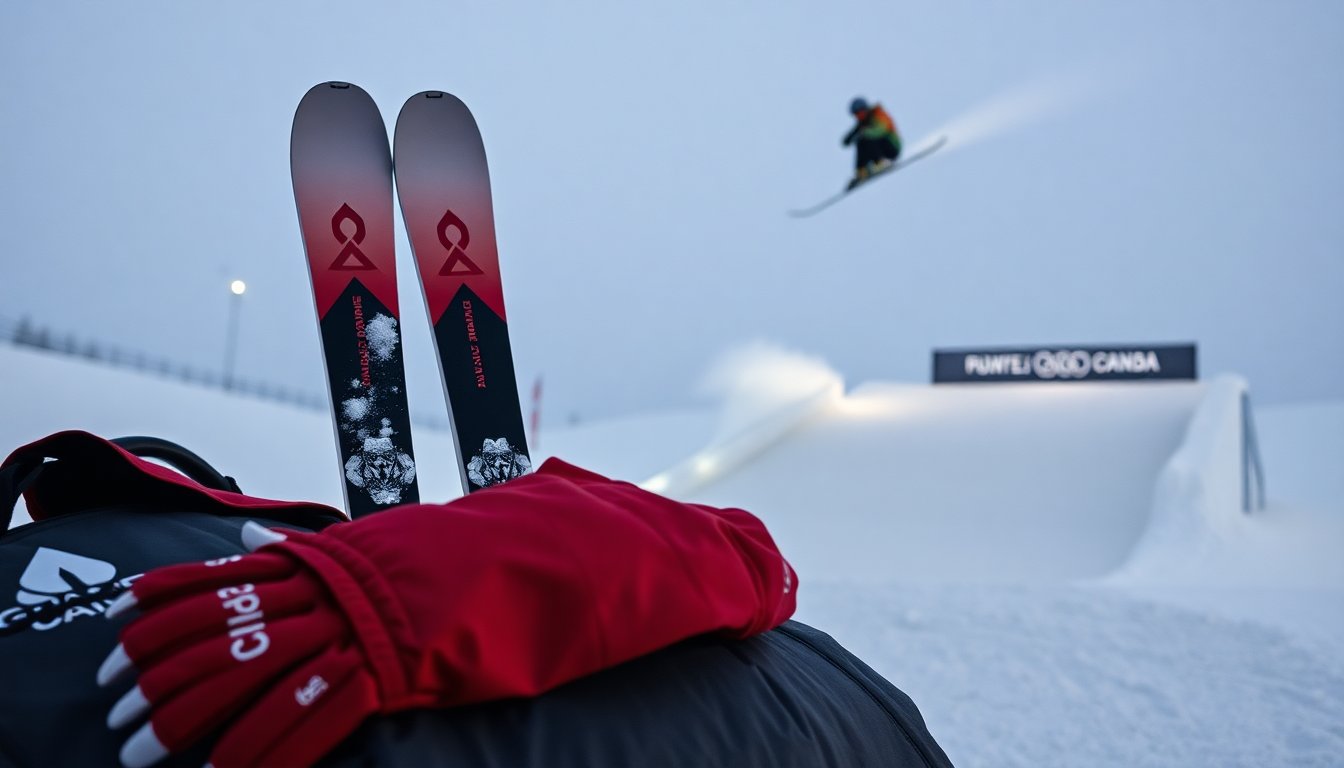
A night of tight margins and bold attempts reshaped several storylines at Milan‑Cortina 2026. Athletes traded gutsy tricks, clutch finishes and unexpected setbacks that will ripple through team selections, coaching plans and sponsorship conversations. The headline belonged to Canadian freeskier megan oldham, who landed two massive, clean jumps to take gold in the women’s big air. Behind her, Eileen Gu pushed to the wire for silver, and Italy’s Flora Tabanelli reached the podium despite competing with a torn ACL—an emotional moment for the home crowd.
Freeski big air — Oldham edges Gu in a thriller
Megan Oldham’s winning total came from two technically demanding jumps executed with composure, giving her the edge over Eileen Gu’s near‑perfect kit of amplitude and style. Judges applied the familiar World Cup rubric—difficulty, amplitude and execution—and slow‑motion footage, run sheets and sensor data align with the final scores: Oldham 180.75, Gu 179.00, Tabanelli third. The margins were slim and hinged on a few decisive elements: rotation completeness, grab stability and landing control. Technical logs confirm the top athletes reached comparable takeoff velocities and rotation degrees, but Oldham’s cleaner exits and slightly higher difficulty nudged her ahead.
How the final played out
The competition unfolded in three phases: qualification, early final attempts, and the run that decided the podium. Oldham arrived in the final among the top qualifiers after a near‑flawless qualifier, then opened the final with a statement run that set the benchmark for the night. Others upped the difficulty and courted penalties for minor form lapses; midway through the final Oldham landed a high‑value trick that shifted the leaderboard. Gu answered with a technically tidy run but came up just short on amplitude. Video timestamps and run logs show consistent wind and light conditions, leaving execution—rather than environment—as the true differentiator.
People who mattered
Oldham and Gu were the protagonists, with Tabanelli’s bronze carrying added drama because of her injury. Behind the scenes, coaches, equipment techs and medical staff played crucial roles: trick selection, ski tuning and recovery plans all contributed to the fine margins. Judges and technical delegates—using broadcast footage, slow‑motion review and unified scoring logs—applied the rubric consistently, and their annotations explain several score adjustments seen between preliminary and final tallies.
What this means
Oldham’s gold reshuffles medal projections and gives Canada momentum in freeski disciplines. Expect teams to reconsider risk thresholds: federations are likely to emphasize amplitude and clean exits more heavily in training, while funding and media attention may tilt toward athletes who can consistently deliver high‑difficulty jumps. Organizers are preparing full reports with annotated score breakdowns; those documents should clarify judging decisions and inform coaching and selection choices going forward.
Technical takeaways
Judging rewarded a balance of big rotations and controlled landings. Routines that paired high rotation doubles with reliable exits scored best; flashy flair without precision underperformed. Slow‑motion replay and sensor data were decisive in borderline calls, and judges consistently awarded bonus points for rotations exceeding the threshold while downgrading slide‑outs and hand touches. Coaches will likely drill landing repeatability and edge control as the season continues.
Short track — Sarault’s run of podiums continues
courtney sarault added a silver in the 1,000 metres to earlier medals in the mixed relay and 500, making this her third podium of the program. Heat-by‑heat timing and positioning charts show a tactical race: Sarault conserved energy midrace, then accelerated in the final laps to clinch a medal. Her consistency across rounds—avoiding infractions and staying tucked in position—illustrates a championship mindset and boosts Canada’s short track prospects.
Hockey — Poulin’s milestone fuels Canada’s semi win
Captain Marie‑Philip Poulin scored twice in a 2‑1 semifinal win over Switzerland, sending Canada into a gold‑medal showdown with the United States. Game logs and shot charts show Poulin’s first goal resulted from an organized zone entry and the second from a turnover leading to an odd‑man rush. Her two strikes pushed her past 20 career Olympic goals, a new benchmark, and will certainly shape how opponents scout Canada—expect targeted matchups and defensive plans to shadow her.
Pairs skating and curling — swings and survival
Pairs skaters Lia Pereira and Trennt Michaud slipped out of medal contention, finishing eighth after a series of element errors left them on 199.66. Judges’ element breakdowns cite jump sequence deductions, a failed twist and a stepped throw landing as the key issues. In curling, Rachel Homan’s Ottawa rink snapped a slump with wins over China and Japan to move to 3‑3 and keep playoff hopes alive; Brad Jacobs’ men’s team strengthened their position with a 5‑1 record after a solid victory over Czechia. Across these events, small execution differences—notably missed elements or a poor draw—generated outsized consequences.
Broader picture and next steps
Across disciplines, the common thread is this: tiny margins are having big effects. Federations are convening technical meetings and coach debriefs, reassessing trick lists, practice emphases and recovery plans. Officials plan to publish full score protocols and annotated breakdowns; those documents will be pivotal for teams formulating appeals, selection decisions and training adjustments. Medical teams will continue to monitor athlete welfare, particularly where repeated high‑risk attempts are concerned. Oldham’s big air victory, Sarault’s short‑track consistency, Poulin’s clutch goals, and the swings in pairs and curling all highlight how preparation, split‑second execution and the support crew behind each athlete are shaping outcomes. Expect federations, coaches and athletes to react quickly—refining tactics, reallocating resources and preparing for the next round of high‑stakes performances. Full reports and official statements coming from organizers and national teams will add clarity, but the immediate takeaway is clear: in these Games, precision matters as much as daring.