
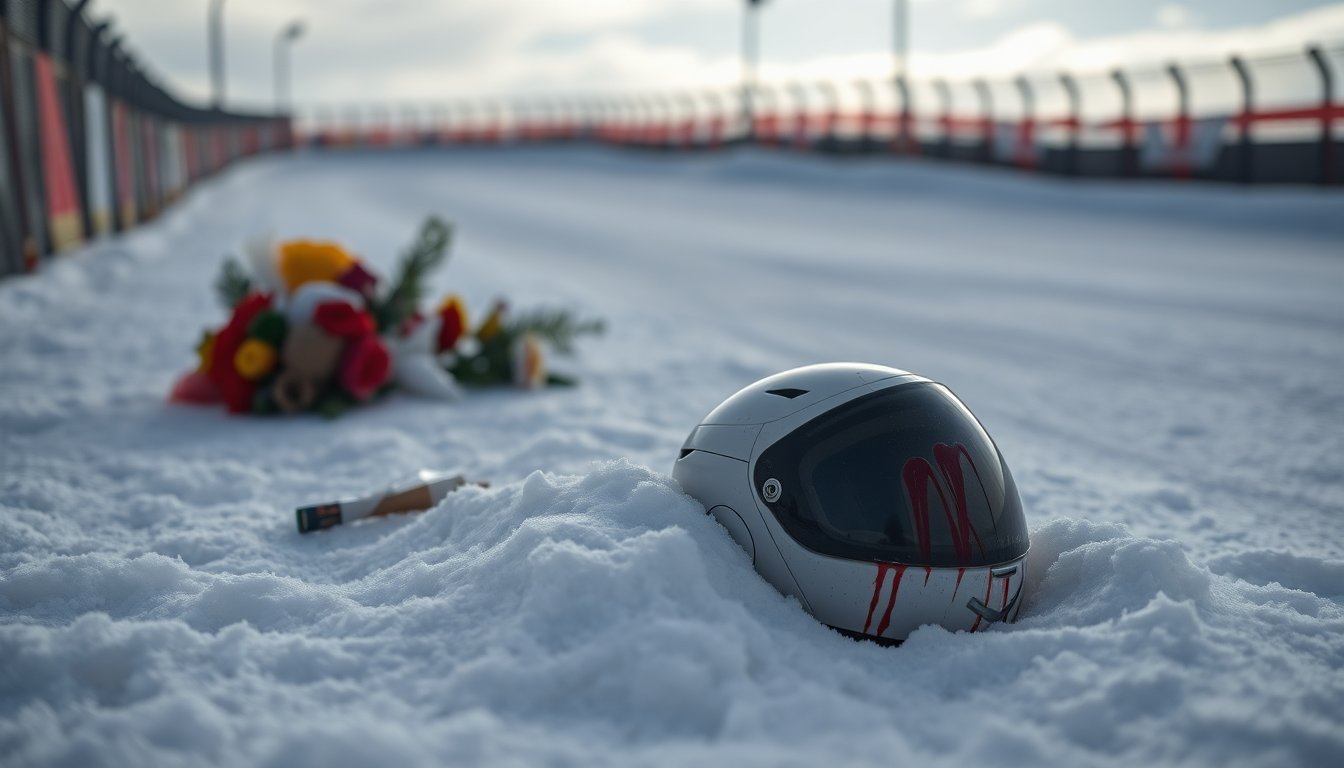
A scar of controversy cut across the Milano‑Cortina 2026 Games as sport and politics collided on the snow and ice. The flashpoint was a helmet — worn by Ukrainian skeleton racer Vladyslav Heraskevych — that carried portraits and short tributes to fellow Ukrainians killed in the war with Russia. Organisers in Cortina deemed the helmet a forbidden political statement and ordered him to remove it. When he refused, he was declared ineligible to continue and had his accreditation revoked.
Heraskevych and the Ukrainian delegation insisted the helmet was a private memorial, not a political message. They said it honored teammates and compatriots lost in the conflict and contained no slogans or propaganda. The International Olympic Committee countered that Rule 50 of the Olympic Charter bans political, religious or racial demonstrations in competition areas. IOC officials framed their request as routine enforcement of that rule and said they had offered a compromise — a plain black armband for the run, with the decorated helmet allowed off the track and in post‑race interviews — which the athlete rejected.
The dispute unfolded quickly across social and traditional media. Supporters rallied behind Heraskevych, calling the decision heartless and arguing that mourning should be treated differently from political protest. Others backed the IOC’s insistence on neutral competition spaces, warning that any exception could erode consistent application of the rules. National Olympic committees, athlete commissions and commentators called for clearer guidance going forward: where does private grief end and political expression begin, especially amid an active conflict?
Beyond the headlines, competition carried on. Events across alpine and Nordic venues proceeded under heightened attention, with strict security and keen public scrutiny. The helmet saga didn’t stop races, but it amplified a debate about how major sporting platforms handle remembrance, identity and conflict.
What happened, in short
– During qualification at the Cortina sliding facility, Heraskevych wore a helmet adorned with portraits of Ukrainian athletes who died since the Russian invasion. Organisers objected, citing Rule 50, and asked him to change it. He refused and was disqualified.
– The IOC maintained the request followed established protocols for preventing political messaging in competition zones. The Ukrainian delegation and many observers argued the helmet was a personal tribute and should have been treated as such.
– Officials say each case is assessed individually; critics say the ruling lacked sensitivity. The incident prompted urgent conversations about whether the Olympic rules need clarification to address tributes made in the shadow of conflict.
Voices and reactions
Reactions were immediate and mixed. Teammates, Ukrainian officials and many social‑media posts expressed solidarity with Heraskevych and framed the helmet as an act of mourning. Others — including some national committees — emphasized the need for uniform rules that keep sport insulated from politics. Visuals from a tense, emotion‑filled meeting between the athlete and IOC representatives circulated widely, underscoring how fraught the encounter became.
What this might change
The case throws into relief tricky questions for sports governance. Athletic bodies must balance compassionate treatment of personal grief with the practical need to apply rules consistently across teams and countries. Expect national committees, athlete commissions and rule‑making organizations to review guidance on permissible forms of remembrance. Discussions will likely focus on safety, precedent and where to draw a clear line between human tribute and political expression.
Meanwhile, the Games continued to produce sporting stories. Team Canada picked up podium finishes — ice dancers Piper Gilles and Paul Poirier earned bronze with a combined 217.74, and the curling squad edged Germany 7–6 in a tactical match. Stars such as Mikaël Kingsbury and other contenders across ski cross, moguls and snow events remained ones to watch as the schedule unfolded.
Why it matters
This episode isn’t just about a helmet. It’s a snapshot of how global competitions intersect with national tragedy and international politics. For athletes from countries at war, symbols carry deep personal meaning. For organisers, the priority is preserving a level playing field and preventing arenas from becoming sites of political contest. Finding a humane, consistent way to handle that tension will be one of the conversation’s lasting legacies from Milano‑Cortina.
What to watch next
Officials may issue clarifications on Rule 50 or offer updated guidance on mourning and tributes. Athlete commissions and national committees will be important voices in those talks. On the field, results over the coming days will shape medal tables and national narratives. Off the field, the debate sparked by Heraskevych’s helmet will likely influence how future Games handle similar, emotionally charged moments.