
Table of Contents
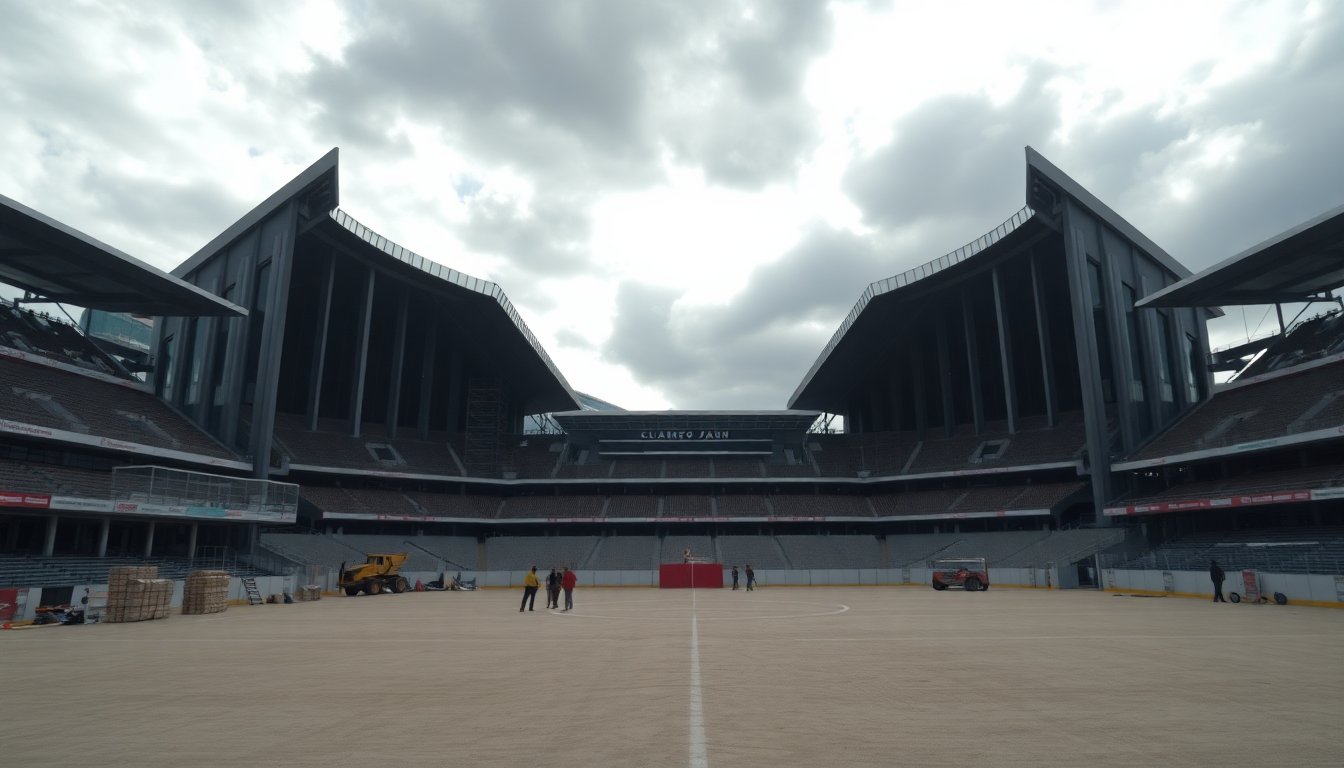
The upcoming Milano Cortina Olympics are under scrutiny as preparations fall behind schedule, raising questions about the feasibility of hosting key events, notably hockey. As the countdown to the opening ceremony on February 6 approaches, the state of readiness for various facilities has come into focus, particularly concerning the venues designated for hockey matches.
Recent discussions led by CBC Sports host Perdita Felicien with hockey analyst Karissa Donkin shed light on these pressing issues. They highlighted the importance of timely infrastructure completion and the potential impact on athletes and spectators alike. With budget overruns and incomplete constructions dominating the conversation, the Olympic spirit may face an uphill battle.
Infrastructure delays raise alarms
A report from Open Olympics, an organization monitoring the expenditures and contracts related to the Games, paints a troubling picture. As of late October, only 16 of the planned 98 construction projects had been completed. This alarming statistic underscores a significant backlog as the majority—57%—of the projects are expected to be finished after the Games conclude. The financial burden of these delays is not insignificant, with costs ballooning to over four billion euros, signifying a troubling trend of escalating expenses.
Budget concerns and public funding
According to the report, the organizing committee for Milano Cortina is facing a lack of transparency regarding its financial management. With a projected budget nearing two billion euros, the funding sources remain murky, particularly regarding public funding contributions. The committee has been scrutinized for its allocation of funds, with a staggering 6.6 euros being spent on legacy projects for every euro directed toward essential Olympic facilities. This raises critical questions about the long-term benefits of the investment versus the immediate needs of the Games.
Hockey’s precarious position
The potential fallout from these delays could affect hockey’s participation in the Olympics. As venues remain incomplete, concerns grow about whether the necessary facilities will be ready to host international competitions. The uncertainty has led to speculation about whether teams will have adequate preparation time, impacting their performance on the world stage. Donkin emphasized that the success of hockey at the Olympics hinges not only on the readiness of the venues but also the athletes’ ability to train and acclimate to the conditions.
Monitoring ongoing developments
As the situation unfolds, it is imperative for stakeholders to continue monitoring progress closely. Open Olympics has committed to following the developments until the last construction site is concluded, ensuring public awareness of how the delays may impact athletes and the overall success of the Games. The initiative aims to answer crucial questions regarding the true cost of hosting the Olympics and the implications for future events.
Political implications and public perception
Amidst these challenges, political rhetoric has also come under scrutiny. Prominent figures, such as the former governor of Veneto, Luca Zaia, have made exaggerated claims regarding the significance of hosting the Olympics in Cortina. Despite his assertions of unique historical precedence, it is essential to clarify that other cities have also hosted the Games multiple times. This misrepresentation of facts only serves to distract from the pressing issues at hand.
As the organizing committee gears up for the event, the focus should remain on ensuring that the venues are prepared and the athletes have a platform to showcase their skills. The need for transparency and accountability in funding and construction is paramount to restoring public confidence in the Milano Cortina Olympics.
Conclusion: A critical juncture
With the Olympics just around the corner, the stakes are high for both the infrastructure and the athletes involved. As preparations for hockey and other events continue, it is crucial to address the underlying issues hindering progress. The coming weeks will be critical in determining whether Milano Cortina can overcome these challenges and deliver a successful Olympic experience.