
Table of Contents
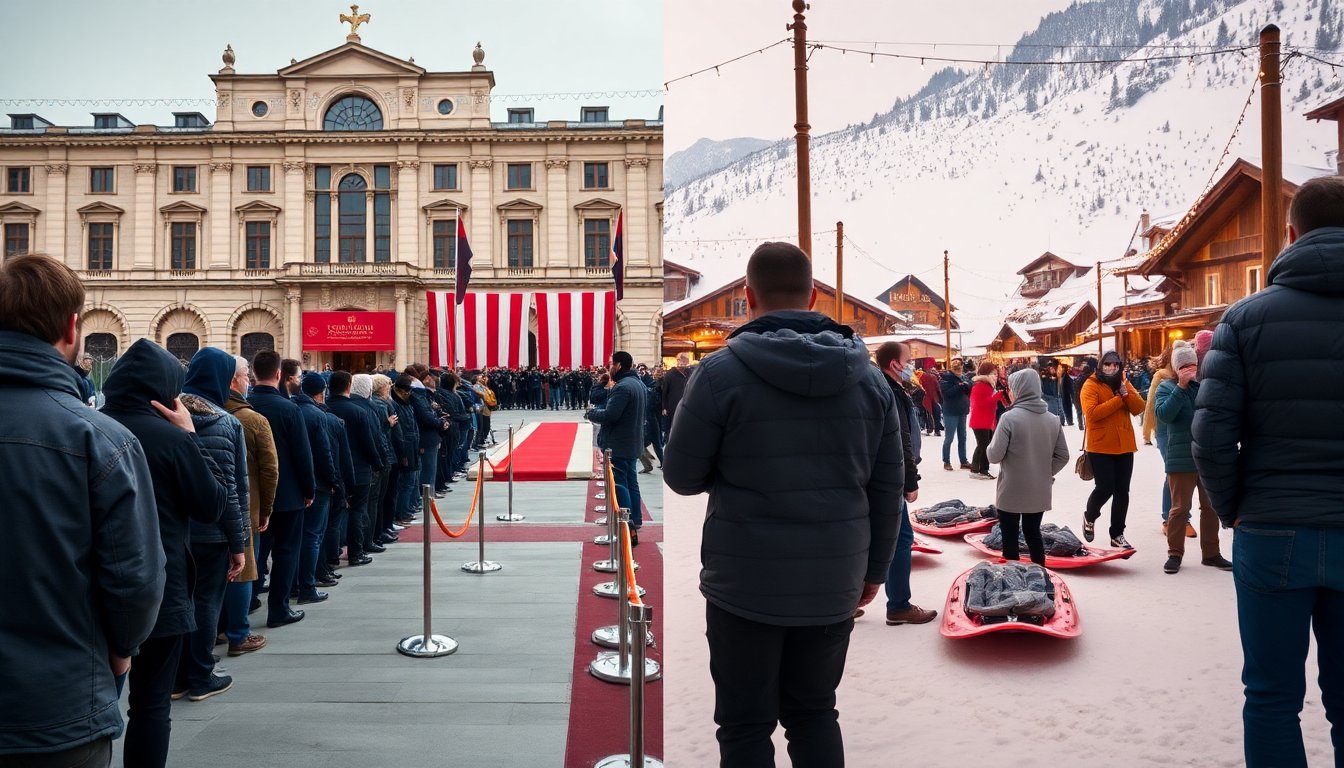
Could two different rhythms define a single Olympic moment? The 2026 winter Olympics in Italy opened with contrasting atmospheres that spoke to place and people. In Milan, arrivals met a measured, cultured reception shaped by urban routines and civic protocol. In alpine towns, by contrast, local life flowed into spontaneous celebration across ski villages and mountain squares. Published on 13/02/2026, local reporting shows how urban culture and mountain identity shaped public responses, from street decorations to impromptu gatherings.
Milan’s gradual embrace of the games
Industry experts confirm that Milan’s response followed familiar civic patterns. Officials staged carefully coordinated welcome events near transport hubs and key venues. Local institutions emphasised order, cultural programming and logistical clarity. Those in fashion know the city prefers curated moments to large-scale revelry. The result was a deliberate, controlled atmosphere that contrasted with the freer, community-driven expressions seen in alpine areas.
Alpine towns: an atmosphere dialed up to eleven
Where Milan presented a measured welcome, the mountain communities embraced the Games with visible exuberance. Small ski resorts and villages quickly transformed into hubs of public celebration. Streets brimmed with fans in national colors, local cafes hosted live screenings, and outdoor plazas became informal arenas for shared viewing. Industry experts confirm that the region’s existing tourism infrastructure amplified the effect, offering ready venues and a tradition of communal gatherings. The trend that’s taking over in these high-altitude settlements blends spontaneous local rituals with organized entertainment tied to the Olympic schedule.
High in the mountains, the atmosphere has taken on a distinctly communal tone. Villages around the venues treated the Games as a social and economic catalyst. Streets filled with spontaneous celebrations, local bands played late into the night, and small businesses reported measurable boosts from visitors and athletes. The alpine response highlights how local pride and a direct connection to winter sports can amplify public enthusiasm. The trend that’s taking over in these high-altitude settlements blends informal rituals with organized entertainment tied to the Olympic schedule.
Why altitude changes the vibe
Several factors help explain the difference. Mountain communities are smaller and more interconnected, so public events spread quickly by word of mouth. Regular exposure to snow sports makes residents comfortable sharing facilities and hosting outsiders. Industry experts confirm that familiarity with winter competition formats reduces friction when events arrive. Logistics also play a role: shorter travel distances between villages and venues create a steady flow of spectators and athletes, which sustains nightly activity.
Cultural routines adapt to the sporting calendar. Local bars and markets extend hours to match event timings. Volunteer networks mobilize fast and efficiently. Those in fashion know how seasonal demand can reshape retail offerings, and small retailers reported stocking winter gear and memorabilia in response. The result is a festival-like atmosphere where everyday life becomes part of the Games.
Economically, the impact can be immediate and visible. Short-term spending increases at accommodation, restaurants and services provide cash flow for local entrepreneurs. Industry experts confirm that such uplifts often translate into longer-term investments in infrastructure and event capacity. Expect mountain communities to build on this momentum by promoting year-round sports tourism and expanding local programs tied to winter athletics.
Bridging the urban and alpine experiences
Expect mountain communities to build on recent momentum by promoting year-round sports tourism and expanding local programs tied to winter athletics. Industry experts confirm that smaller populations and concentrated hospitality networks speed economic gains after major events. The difference is clear: alpine towns convert visitor spikes directly into business for vendors, hoteliers, and guides. Urban centres, by contrast, dilute such impacts across larger, more diversified economies. In the beauty world, it’s known that a single lively square or popular après-ski spot can transform an entire village into a festival in hours.
Expert insights
Local officials describe deliberate strategies to sustain interest beyond the event window. They invest in training for seasonal workers and in marketing campaigns aimed at off-season visitors. Those in fashion know how to reposition a brand; similarly, small towns rebrand facilities as multiuse hubs for training, recreation, and events. Experts also note infrastructure limits: transport, lodging capacity, and cohort health services shape whether a short-term boom becomes lasting growth. The trend that’s taking over is targeted programming that ties competitions to community festivals and youth leagues.
How towns capitalize
Practical measures explain how gains are captured. Municipalities coordinate calendars with local businesses to extend peak nights and shift weekday demand. Partnerships with sports federations bring coaching clinics that convert spectators into recurring users of local facilities. Smaller jurisdictions can pilot initiatives quickly, measure results, and scale successful models. The most innovative brands focus on combining authenticity with professional delivery—local culture packaged alongside world-class competition.
Looking ahead, stakeholders aim to link event-driven surges with longer-term planning. Industry observers expect more collaborations between mountain venues and urban organizers to share best practices and distribute visitor flows. For communities, the challenge remains the same: turn episodic attention into sustainable economic and social benefits.
For communities, the challenge remains the same: turn episodic attention into sustainable economic and social benefits. In the wake of the Games, Milan and alpine towns worked to make that aim tangible. Organizers linked metropolitan fan zones with reliable connections to mountain venues. The result was a deliberate continuity between city culture and alpine hospitality. Transport infrastructure improvements and community-driven programming allowed residents and visitors to experience both Milan’s measured charm and the mountains’ high-energy celebrations.
What the reactions tell us about hosting major events
Industry experts confirm that combining logistics with local programming reduces the perception of exclusivity. Cultural showcases in Milan highlighted urban assets, while community-led events showcased mountain traditions. The strategy redistributed visibility and spending more evenly across regions. Could such planning shift temporary attention into longer-term tourism and civic engagement? Early signs point to stronger local networks and renewed civic confidence, which may help convert a single event into ongoing opportunity.
An evolving local reaction
Early signs point to stronger local networks and renewed civic confidence, which may help convert a single event into ongoing opportunity. The mixed reception across Italian host sites offers practical lessons for future organisers. Urban and regional areas reacted differently, revealing distinct social rhythms and communication needs. Industry experts confirm that tailored engagement, not one-size-fits-all spectacle, produces deeper community buy-in. The trend that’s taking over among planners is deliberate localisation: build on existing identities and provide real pathways to participation.
Expert insights on what worked
Those who studied responses emphasise three clear takeaways. First, communications must recognise contrasting social dynamics between city centres and smaller host towns. Second, curated, local experiences encouraged authentic involvement more than centrally staged shows. Third, acknowledging preexisting cultural identities—whether metropolitan sophistication or alpine conviviality—helped the events feel integrated rather than imposed. Industry experts confirm these points and note that when organisers offered clear, accessible roles, even initially reserved groups became active participants.
How future hosts should adapt
Hosts should prioritise planning that maps local identity and participation channels before large-scale programming. Create multiple entry points for residents to contribute ideas, volunteer, or host micro-events tied to neighbourhood traditions. Use targeted, context-sensitive messaging to match social dynamics in each locale. Fund legacy projects that strengthen civic infrastructure and cultural initiatives already valued by communities. The most innovative planners focus on sustainability and continuity, turning episodic attention into lasting economic and social benefit.
Looking ahead
As organisers prepare future events, the lesson is clear: respect and resource local identity, then invite participation through tangible roles. Industry experts confirm that such strategies increase enthusiasm and produce events perceived as owned by communities. Expect continued experimentation with decentralised programming and local partnerships as the next step in hosting practice.
The trending moment
Expect continued experimentation with decentralised programming and local partnerships as the next step in hosting practice. The 2026 winter Olympics in Italy showed how setting and community shape celebration. Urban restraint and mountain exuberance created a layered national moment. That duality turned sporting events into cultural touchpoints that shifted perceptions of both host cities and alpine communities. Industry experts confirm these outcomes are likely to influence future bids and legacy plans, especially for hosts balancing metropolitan logistics with regional identity.
Expert insights
Those in fashion and public events know that visible style reflects broader civic mood. Organisers and regional leaders told observers that coordinated cultural programming extended the Games’ reach beyond arenas. Experts note improved local engagement offers more durable benefits than one-off spectacle. The trend that’s taking over is strategic decentralisation: smaller venues, local partnerships and curated cultural slots that amplify community voices while easing host burdens. This approach also spreads economic activity across a wider geography.
How host communities may adapt
Municipal planners and community groups are already testing models for shared stewardship of events. The most innovative brands focus on authenticity and sustainable operations, and host regions are adopting similar priorities. Small towns aim to preserve alpine identity while capitalising on new networks for tourism and culture. Urban centres plan quieter, more integrated programming to avoid overreliance on transient crowds. In the beauty world, it’s known that lasting appeal comes from lived experience, not spectacle alone.
What to watch next
Look for more trials of mixed-format schedules and revenue-sharing frameworks. Local organisers will measure success by sustained civic engagement and improvements in everyday services. The trend that’s taking over may redefine legacy metrics for major events, shifting emphasis from headline attendance to long-term community outcomes. Industry experts confirm that future bids will likely foreground partnerships with regional authorities and cultural organisations.
Practical takeaway: hosts that balance metropolitan capability with genuine local involvement are best placed to convert a sporting showcase into a multi-year community asset. Expect continued policy experimentation and closer collaboration between city and mountain stakeholders as the next wave of hosting practices unfolds.