
Table of Contents
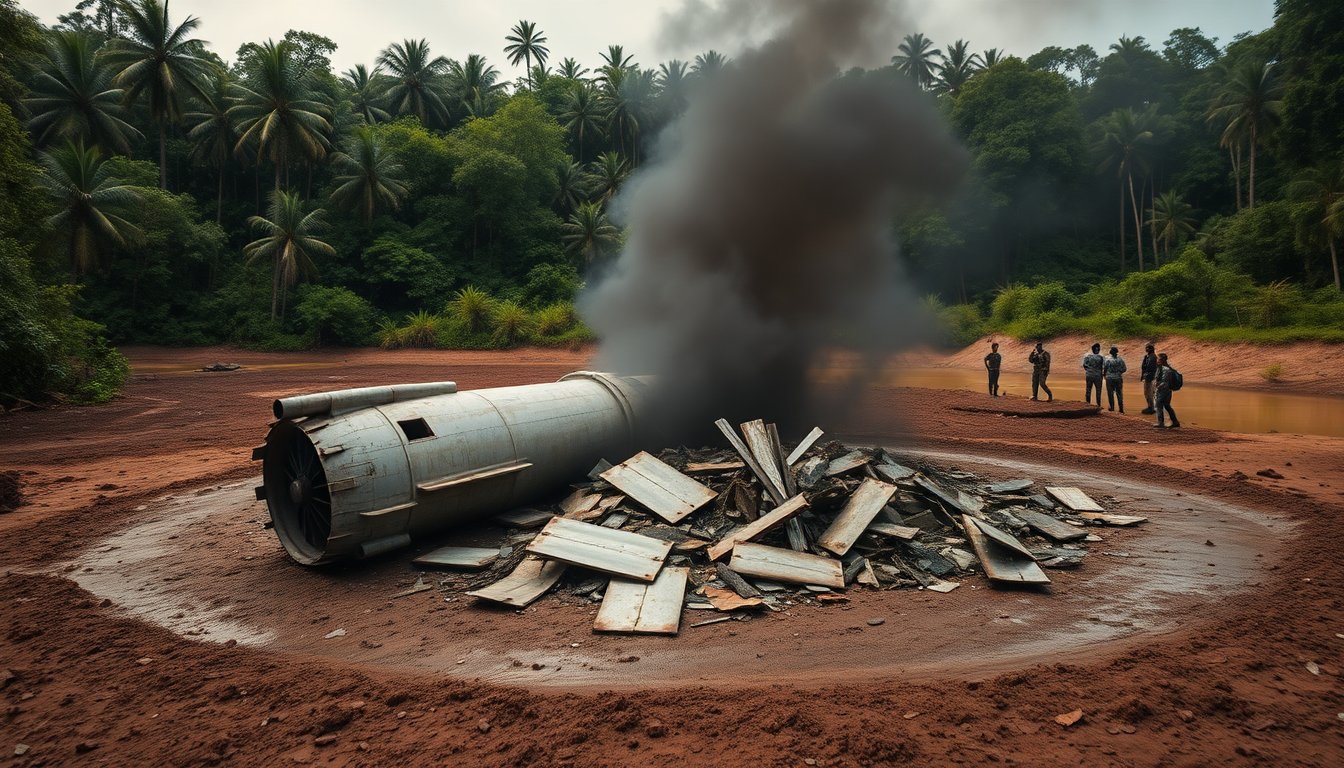
The remote southern jungle of Colombia became the scene of a tragic aviation incident when a military transport aircraft went down shortly after lifting off from Puerto Leguízamo in the department of Putumayo. According to multiple reports dated 23 March 2026 and 24/03/2026 04:32, the aircraft was carrying about 125 people including members of the armed forces and crew. Eyewitness accounts and preliminary official statements indicate that the plane lost altitude soon after departure and crashed in a rural area, prompting an immediate mobilization of search, rescue and medical teams.
Details remain fluid and sometimes contradictory as local officials, national authorities and international outlets publish early assessments. The governor of Putumayo, Jhon Gabriel Molina, provided one set of figures in initial briefings, while other outlets reported higher casualty counts or described desperate scenes in which some soldiers attempted to exit the aircraft as it descended. President Gustavo Petro has been reported to have activated the national health network and urged calm while investigators work to establish what happened.
The accident and immediate emergency response
According to the combined accounts, the aircraft involved was a C-130 Hercules operated by Colombian military forces and was transporting members of the armed services. Rescue units and military personnel converged on the crash site within hours, confronting difficult terrain and dense jungle conditions that slowed operations. Local health services and emergency responders established triage points, while some of the most seriously wounded were flown or driven to larger medical centers in Florencia and Bogotá. The logistics of extracting victims in remote terrain placed additional strains on the first responders.
Casualty figures and medical transfers
Numbers reported in the first day after the accident varied across sources. One local official reported at least eight fatalities and more than 80 injured, with roughly a dozen in critical condition and undergoing transfer to better-equipped hospitals. Other outlets cited substantially higher death tolls and described chaotic scenes, including accounts that some passengers jumped from the aircraft as it failed to remain airborne. What is clear is that dozens of service members were on board — including an estimated 112 army personnel, two police officers and crew — and that many required urgent medical attention.
Medical coordination and triage
Health authorities activated regional networks to receive and treat casualties, prioritizing medical evacuation for those with life-threatening injuries. Field triage teams assessed wounds and stabilized patients before transfer; some were taken to referral hospitals in more distant cities where intensive care units were available. Officials have emphasized the need for family notification protocols and psychological support for survivors and relatives, as the scale of the incident presents both clinical and humanitarian challenges.
Investigation and broader implications
An inquiry into the causes of the accident has been launched, with military and civil aviation investigators expected to participate. Authorities have not released a definitive cause, and early statements emphasize that speculation should be avoided until forensic analysis of the wreckage, flight data and maintenance records is complete. The term investigation in this context refers to a formal, multi-agency process that will include technical inspection of the aircraft systems, review of crew actions and assessment of environmental conditions at the time of takeoff.
Political and institutional reactions
National leaders responded by ordering full cooperation among rescue services and by pledging support to the families affected. President Gustavo Petro publicly confirmed the activation of emergency medical channels and asked for restraint pending official findings. Military leadership also announced internal protocols to assist victims’ families and to secure the investigation. The incident will likely prompt scrutiny of operational procedures for troop transport and of maintenance and readiness standards for aging transport fleets.
As search and recovery continue, authorities stress that early numbers may change and that transparent updates will be provided when backed by verified information. The mix of local reports, official briefings and international coverage highlights how rapidly evolving scenes can produce conflicting accounts; investigators must now piece together a definitive timeline while emergency teams work to care for survivors and support grieving families.