
Table of Contents
The shooting of 37-year-old Renee Good by an officer from the U.S. Immigration and Customs Enforcement (ICE) has led to significant unrest in Minneapolis. This incident occurred during a federal immigration enforcement operation, igniting protests and vigils across the city. As the community copes with this tragic loss, many are calling for accountability and a reassessment of federal immigration policies.
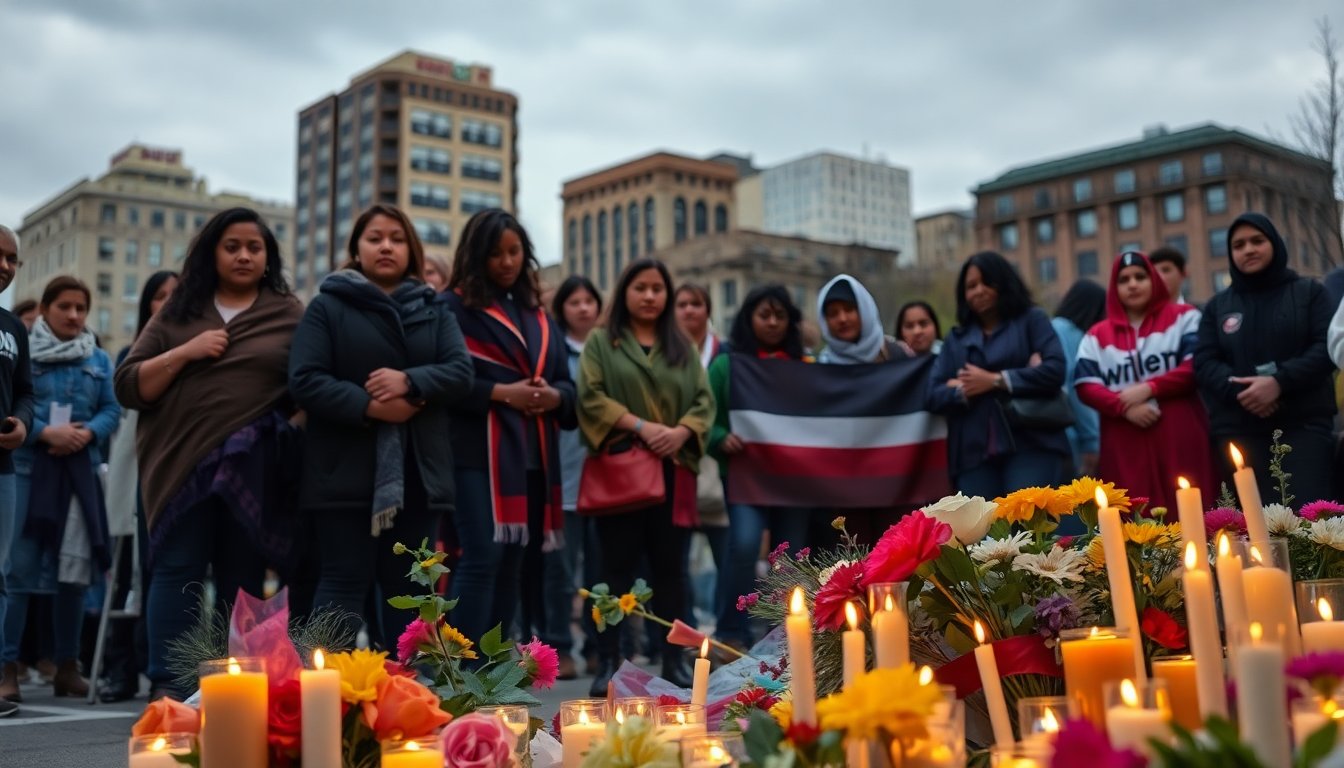
In the aftermath of the shooting, hundreds gathered at the site where Good was shot, expressing their grief and outrage. The federal government’s response has been swift, with statements defending the actions of the ICE officer involved, further fueling public anger.
The incident and its aftermath
On Wednesday, an ICE agent shot and killed Good as she sat in her vehicle in Minneapolis. Details surrounding the incident are still unfolding, but federal officials claim that the officer acted in self-defense, alleging that Good’s vehicle posed a threat. This account has met skepticism from local officials and community members.
Protests erupted almost immediately after news of the shooting spread. Demonstrators gathered outside a federal building in Minneapolis, chanting slogans like “No More ICE” and “Justice Now!” The atmosphere was charged as community members expressed frustration over what they perceive as a pattern of excessive force used by federal agents in immigration enforcement operations.
Community response and calls for action
In light of Good’s death, various community leaders and local officials have voiced demands for ICE to cease operations in Minnesota. Minnesota’s Governor, Tim Walz, has called for a thorough investigation into the incident, urging peaceful protests while emphasizing the need for accountability. The community rallies around the idea that federal immigration enforcement should not come at the cost of local lives.
Moreover, faith leaders and community advocates organized vigils to honor Good’s life and express solidarity against ongoing immigration enforcement actions. Many participants at these vigils have called for the prosecution of the officer involved and demanded that ICE reevaluate its tactics and presence in the state.
Local and federal responses
As protests continue to grow, federal officials have reiterated their stance on the necessity of ICE operations, citing the need for safety and security. Homeland Security Secretary Kristi Noem has stated that the agency will not withdraw from Minnesota, arguing that enforcement actions are crucial for maintaining order. This declaration has intensified community calls for reform and oversight.
Local leaders, including Minneapolis Mayor Jacob Frey, have pushed back against the narrative presented by federal officials, labeling their claims as misleading. He emphasized that the community deserves transparency and accountability concerning the actions of federal agents in their city. There is palpable tension between local governance and federal operations, highlighting the complexities of immigration enforcement in urban areas.
The broader implications of the shooting
Experts in law enforcement and civil rights have begun to weigh in on the implications of Good’s shooting. Many argue that the incident reflects a larger issue regarding the militarization of immigration enforcement and its impact on community safety. John Gross, a law professor, pointed out that shooting at moving vehicles is typically discouraged among law enforcement, suggesting that alternatives should be pursued instead of resorting to deadly force.
This tragic event raises questions about the balance between public safety and individual rights, particularly for marginalized communities. Advocates urge legislative reforms to prevent future incidents and ensure that immigrants’ rights are protected. The community’s resilience in the face of this violence is being tested, and calls for justice are growing louder.
In the aftermath of the shooting, hundreds gathered at the site where Good was shot, expressing their grief and outrage. The federal government’s response has been swift, with statements defending the actions of the ICE officer involved, further fueling public anger.0