
Table of Contents
Minneapolis is currently facing a turbulent situation following a recent shooting involving federal officers. This incident occurs amid a significant immigration enforcement operation that has drawn widespread criticism from local government officials and the public. The shooting has reignited debates over federal immigration policies and the tactics employed by Immigration and Customs Enforcement (ICE).
Reports indicate that the shooting took place on a Saturday, prompting Governor Tim Walz to express his horror at the event through social media. Walz has been vocal about his concerns, urging a reevaluation of the federal approach to immigration enforcement, particularly in light of recent violent incidents.
The community response
The local community has reacted with outrage and protest. Witnesses at the scene reportedly shouted at the federal agents, accusing them of cowardice. An unnamed officer’s dismissive response, mocking the crowd, further inflamed tensions. This incident follows the tragic shooting of Renee Good, a U.S. citizen, by an ICE officer, which has already sparked significant protests nationwide.
Protests against immigration enforcement
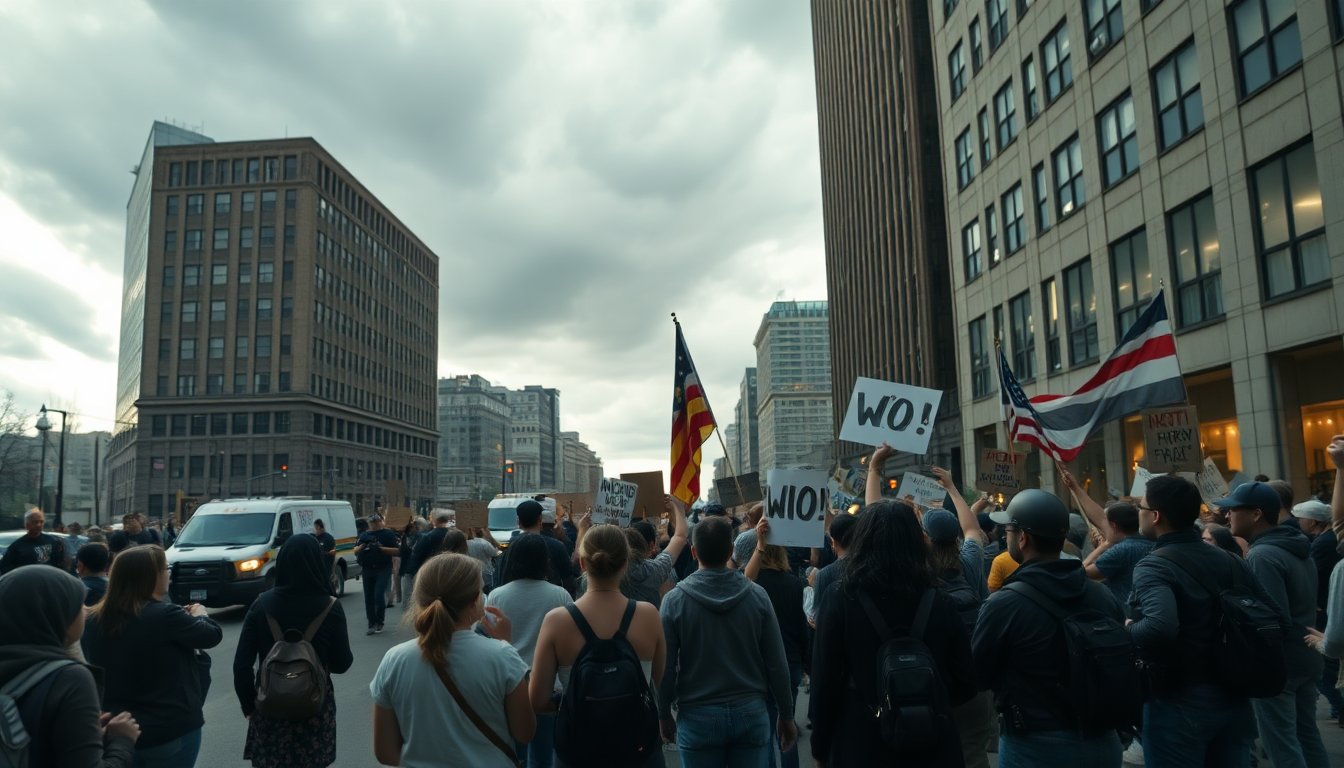
In the days leading up to the latest shooting, Minneapolis witnessed daily protests against ICE’s operations. Activists gathered in large numbers, braving freezing temperatures to voice their opposition to federal immigration actions. These protests signify a growing unease among residents regarding the presence and tactics of federal officers in their communities.
Officials from the City of Minneapolis have urged the public to stay away from the shooting site, emphasizing the need for calm amid the chaos. They are actively investigating the circumstances surrounding the incident to ensure accountability and transparency.
Federal scrutiny of state officials
In a related development, the Department of Justice has issued grand jury subpoenas to several Minnesota officials, including Governor Walz and Minneapolis Mayor Jacob Frey. These subpoenas are part of an investigation into allegations that state officials may have obstructed federal immigration enforcement efforts during the recent surge of operations in the area. Some officials have described the legal scrutiny as an intimidation tactic aimed at curtailing local opposition to federal policies.
Political implications
Both Walz and Frey have criticized the federal government’s actions, labeling the subpoenas as attempts to stifle political dissent. Frey has stated that the use of federal power in this manner sets a dangerous precedent for local governance and public safety. He emphasized that Minneapolis will not succumb to fear and remains committed to protecting the community’s values.
Attorney General Keith Ellison also voiced his concerns, asserting that the investigation undermines the rights of citizens and local leaders. His sentiments reflect a broader apprehension among state officials regarding the implications of federal actions on local governance.
Looking ahead
The situation in Minneapolis highlights the ongoing tension between federal immigration enforcement and local governance. As protests continue and investigations unfold, the community remains on edge, grappling with the implications of federal power in local matters. The tragic shooting of Renee Good and subsequent incidents have brought these issues to the forefront, demanding urgent attention and action.
As discussions surrounding immigration policies evolve, the residents of Minneapolis are calling for a more humane and just approach to enforcement. The community’s resilience in the face of adversity will be pivotal as they navigate the complexities of these ongoing challenges.