
Table of Contents
Escalating tensions over immigration enforcement in Minnesota
Tensions regarding federal immigration enforcement in Minnesota have intensified following the tragic death of a local nurse. Governor Tim Walz has called on President Donald Trump to withdraw federal immigration agents from the state, criticizing them as “untrained” and unfit for their responsibilities. This appeal arose after the fatal shooting of Alex Pretti, a committed healthcare professional who was participating in protests against aggressive immigration tactics when he lost his life.
Incident details and community response
On a cold Saturday in Minneapolis, a 37-year-old ICU nurse was shot during a confrontation with federal agents. This incident marks the second fatality in the city related to immigration enforcement in a short period, raising alarms among local leaders and citizens. Following the shooting, Governor Walz directed a pointed question to President Trump, expressing concern over the escalating violence and demanding immediate action: “What is the plan to remove these federal agents from our state?” This challenge reflects the growing frustration and fear within the community regarding the presence of federal forces.
Federal claims versus community accounts
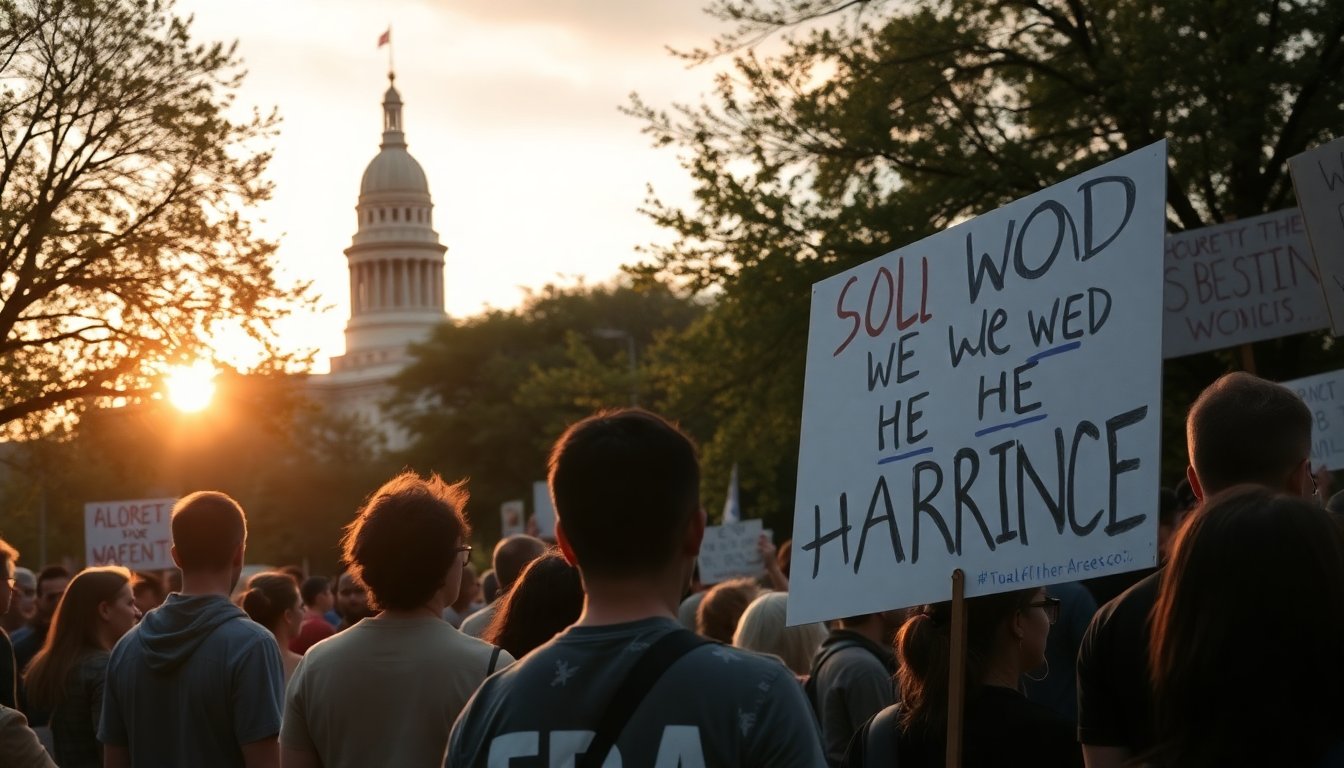
In the wake of Alex Pretti’s tragic death, federal officials defended their actions by stating that he posed a threat to their safety. They claimed he was armed, arguing that their response was justified. However, numerous videos circulating online present a contrasting narrative. Witnesses assert that Pretti was holding a mobile phone, not a weapon, as he tried to assist fellow protesters being forcibly handled by agents. These conflicting accounts have intensified protests, with approximately 1,000 demonstrators taking to the streets to express their outrage against the federal presence.
Political fallout and calls for investigation
The recent shooting has triggered significant political backlash, prompting various leaders and organizations to demand an independent investigation into the circumstances surrounding the incident. Governor Tim Walz’s comments have garnered support from community activists and local officials. They contend that the tactics employed by federal agents have effectively turned Minneapolis into a militarized zone. This sentiment resonates with residents, who express feelings of being under siege as families mourn the loss of Alex Pretti while grappling with the fear of further violence.
Public outcry and federal accountability
As more details of the incident come to light, questions are mounting regarding the accountability of federal agents involved in the use of lethal force. Former Department of Homeland Security official Thomas Warrick stated that while enforcing immigration laws is essential, the current methods raise significant ethical concerns. He highlighted that the public expects federal operations to adhere to accepted standards of conduct. The community’s demand for justice reflects a larger call for accountability in law enforcement practices.
Understanding the implications of federal immigration policies
The recent incident has highlighted significant concerns regarding President Trump’s stringent immigration policies. These policies have resulted in the deployment of thousands of federal agents across multiple states, especially in regions with high immigrant populations. The operation in Minneapolis has faced criticism not just for its scale but also for its perceived focus on specific communities. As tensions escalate, local leaders find themselves navigating the complex balance between adhering to federal directives and ensuring the safety of their constituents.
In response to the federal government’s approach, Minnesota Attorney General Keith Ellison has countered claims of widespread fraud among immigrant communities, advocating for a more nuanced understanding of the situation. He stated, “This isn’t about fraud, but rather the heavy-handed tactics being employed against our residents.” The governor’s request for the withdrawal of federal agents reflects increasing dissatisfaction with current immigration strategies and underscores the necessity for a more humane approach.
As the investigation into Pretti’s death continues, the community remains vigilant, demanding transparency and justice. His family has condemned the federal narrative surrounding his death, emphasizing that he was not a threat but rather a compassionate individual advocating for the rights of others. As the nation observes, the outcome of this situation may significantly influence immigration policy and community relations across the United States.