
Table of Contents
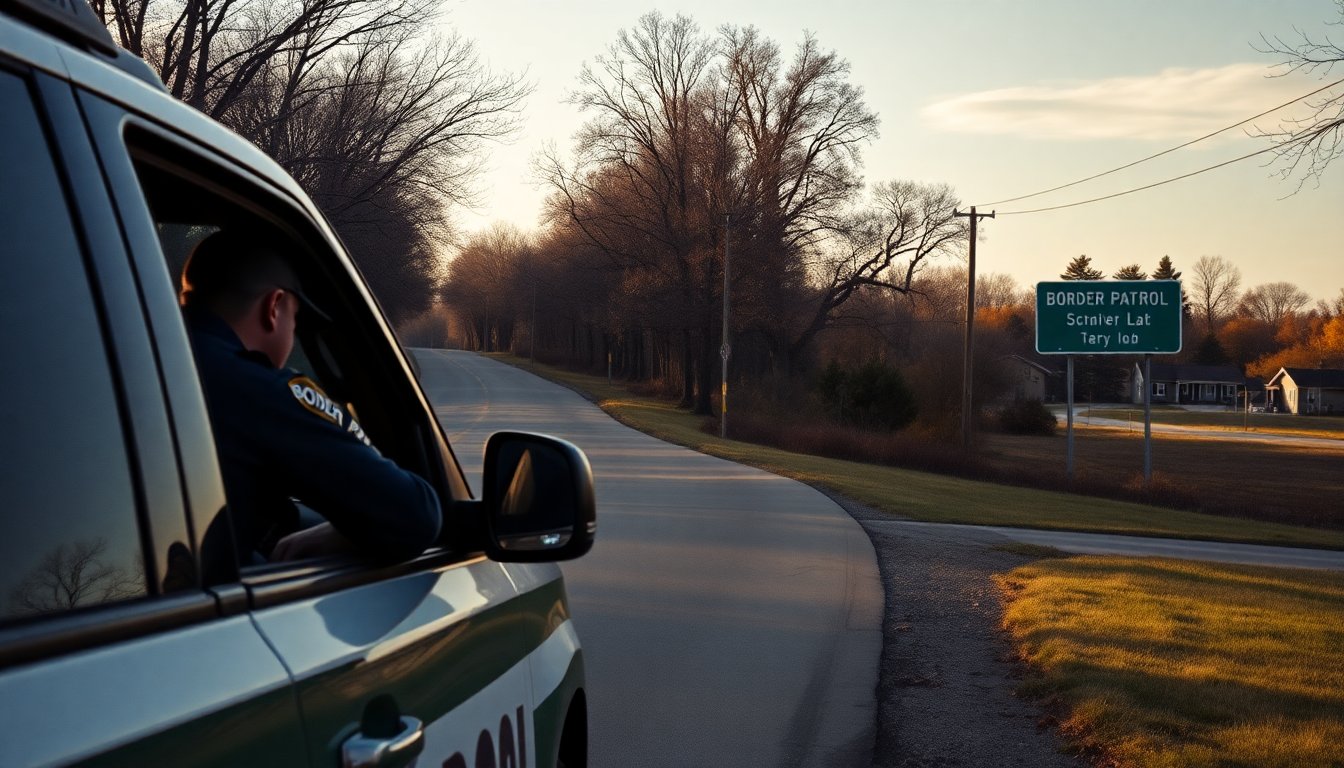
In light of increasing public outcry and tragic incidents involving federal agents, Minnesota is witnessing a significant shift in its immigration enforcement practices. The departure of Border Patrol commander Gregory Bovino marks a pivotal moment as the Trump administration re-evaluates its approach in the state.
This decision follows the recent shooting of Alex Pretti, a 37-year-old nurse, who was killed during an encounter with Border Patrol agents. Pretti’s death, along with another incident involving ICE agent Renee Good, has stirred considerable unrest and calls for accountability from both local officials and the community.
The facts
President Donald Trump has acknowledged the escalating tensions and has taken steps to address them by appointing Tom Homan, the border czar, to oversee enforcement actions in Minnesota. This change comes as local leaders, including Minneapolis Mayor Jacob Frey, have expressed concerns about the current state of immigration enforcement and its implications for public safety.
Critical conversations with local leaders
Mayor Frey recently reported having a productive conversation with Trump, urging him to reconsider the aggressive immigration strategies currently in place. Frey emphasized the need for an end to the ongoing enforcement surge, stating that the situation is untenable and that federal actions must be aligned with community safety.
In response, Trump appeared to soften his stance, indicating a willingness to collaborate with local authorities. The president later tweeted about the positive progress made during discussions, suggesting that both he and Frey are beginning to align on the issues at hand.
The consequences
The aftermath of these shootings has led to legal challenges against the federal government. Minnesota, along with the cities of Minneapolis and St. Paul, filed a lawsuit aimed at halting the current immigration enforcement operations, arguing that they disproportionately target communities and violate local policies.
Judicial scrutiny of federal actions
During a recent court hearing, U.S. District Judge Katherine Menendez raised questions about the federal government’s motives behind the enforcement surge. She expressed skepticism regarding a request for access to state records and the implications of such actions on civil liberties. Lawyers representing the state highlighted the urgent need for judicial intervention to prevent further violence and ensure that constitutional rights are upheld.
As the legal proceedings unfold, there is a growing call from both sides of the political aisle for a thorough examination of the tactics employed by federal immigration agents. Several Republican lawmakers have joined their Democratic counterparts in advocating for a transparent investigation into the incidents, recognizing the potential consequences of unchecked federal authority.
Community impact and future directions
The impact of these events on the community is profound. The tragic deaths of Pretti and Good have ignited protests and discussions about the role of federal agents in local law enforcement. Activists and community leaders are urging a reevaluation of how immigration laws are enforced, emphasizing the importance of protecting the rights of all citizens, regardless of their immigration status.
As Minnesota navigates this complex landscape, the involvement of local leaders in shaping immigration policy will be crucial. The recent dialogue between state officials and the Trump administration suggests a potential pivot towards more cooperative and less confrontational approaches to immigration enforcement.
This decision follows the recent shooting of Alex Pretti, a 37-year-old nurse, who was killed during an encounter with Border Patrol agents. Pretti’s death, along with another incident involving ICE agent Renee Good, has stirred considerable unrest and calls for accountability from both local officials and the community.0