
Table of Contents
A recent trial involving Linda Sun, a former senior aide to governors of New York, has ended in a mistrial. After several days of deliberation, the jury could not agree on any of the 19 counts against her. This case has attracted significant public and media scrutiny due to its implications for national security and foreign influence.
Background on the case
Linda Sun previously worked as an aide to both Kathy Hochul and Andrew Cuomo, the governors of New York. She faces accusations of acting as an agent for the Chinese government. The charges mainly focus on violations of the Foreign Agents Registration Act, which requires individuals representing foreign entities to register with the U.S. government.
Details of the allegations
Sun, along with her husband, Chris Hu, who is also a defendant, faces multiple accusations. These include collaboration with foreign agents and routing funds to support operations perceived as harmful to U.S. interests. The prosecution contends that their actions constitute a threat to national security, underscoring the importance of vigilance against foreign interference in governmental matters.
Jury deliberations and the mistrial declaration
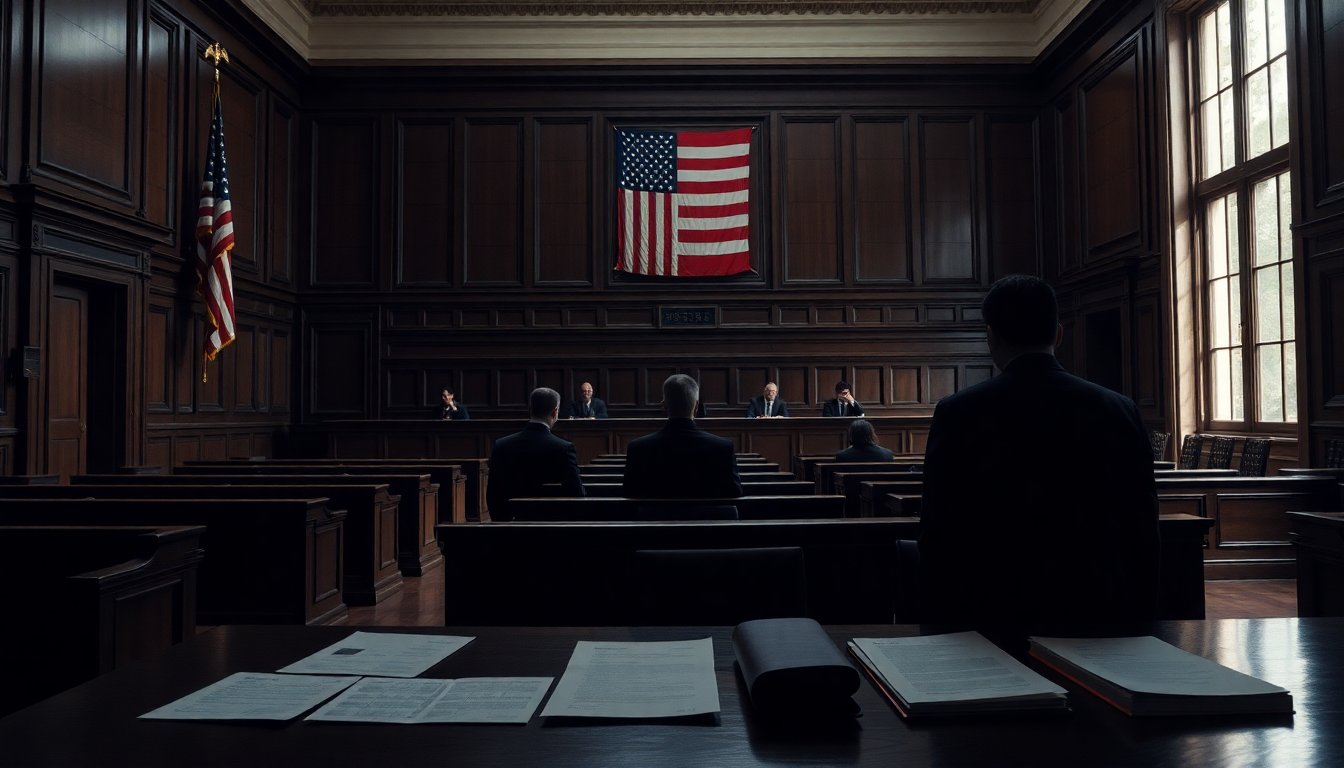
Following several days of intense discussions, the jury reached an impasse. This led the presiding judge to declare a mistrial. The jurors’ inability to agree on a verdict underscores the complexities of cases involving allegations of espionage and foreign influence, where evidence is often circumstantial and open to various interpretations.
The implications of a mistrial
The declaration of a mistrial does not indicate the closure of the case. Prosecutors may opt to retry Sun and Hu. However, such decisions will hinge on various factors, including the strength of the evidence and public interest. Mistrials can serve as a double-edged sword; they offer the prosecution a chance to reassess their strategy while simultaneously raising questions about the viability of future proceedings.
Public and political reactions
The case has drawn considerable media attention, with commentators emphasizing the broader implications of foreign influence in American politics. The political climate surrounding the allegations remains tense, as various stakeholders voice concerns about transparency and accountability in government roles. As the case progresses, it will likely continue to be a central topic in discussions regarding national security and foreign relations.
The mistrial of Linda Sun marks a critical moment in the ongoing discourse about foreign espionage and its effects on domestic governance. As legal proceedings unfold, they are expected to shed light on the complex balance between national security and civil liberties, fueling ongoing debate among legal experts, politicians, and the public.