
Table of Contents
The Islamic Republic’s freshly designated supreme leader, Mojtaba Khamenei, issued his first public communication on 12 Mar 2026, delivering a stark message about the trajectory of the ongoing conflict. In a written address, he insisted the Strait of Hormuz remain closed as a source of pressure and warned that Tehran could open additional fronts if the United States and Israel continued military operations. The statement is notable both for its forceful language and for being issued in writing rather than as a televised appearance, heightening scrutiny about the new leader’s situation and the Iranian command structure. The note repeatedly framed military resistance as an essential policy and leverages historical regional grievances.
What the message conveyed
The statement emphasized continued attacks on Gulf targets and portrayed the Strait of Hormuz as a strategic tool that should remain available to Tehran. Khamenei argued that if adversaries refuse to offer reparation, Iran would seek compensation from their assets and, failing that, would destroy equivalent targets. He also called on populations in neighboring Gulf countries to challenge foreign military bases, labeling promises of protection by outside powers as “nothing more than a lie.” The language combined concrete tactical aims with broader political exhortations, underlining both immediate military intent and an appeal to regional publics to undermine foreign footprints.
Leadership, visibility and reported losses
The address came without a public appearance, and questions persist about Khamenei’s health and whereabouts. Israeli intelligence assessments circulated in media reports suggested he may have been wounded in the conflict’s opening stage, and the written message acknowledged the deaths of close family members, including, according to the statement, his father. Those acknowledgments deepened intrigue about succession dynamics and the personal toll on the new leader. The choice of a written release rather than a televised speech has led observers to speculate that he is in a secure, undisclosed location amid ongoing strikes on Tehran.
Regional and international fallout
Since the outbreak of hostilities, attacks on shipping near the Persian Gulf and on energy infrastructure have pushed oil prices above $100 a barrel, creating immediate global economic anxiety. The conflict has prompted a range of international reactions: the UN Security Council held discussions about sanctions, with Russia and China opposing additional measures; Western powers, led by the United States, have continued strikes against Iranian targets; and regional governments have scrambled to secure energy supplies. Diplomatic exchanges and military posturing around the Gulf have intensified, with countries seeking ways to keep maritime traffic moving while responding to heightened security risks.
Military incidents and broader escalation
Multiple incidents across the region have reinforced fears of wider escalation. Reports described drone strikes on bases in Iraq that injured U.S. personnel, Israeli strikes in Lebanon and Beirut, and damage to commercial vessels near strategic waterways. Separate developments included investigations into cyber intrusions alleged to originate from Iranian territory and naval incidents that left foreign seafarers dead or missing. Meanwhile, the U.S. Navy reported a non-combat fire aboard a carrier operating in the area, highlighting how even indirect events contribute to an atmosphere of operational strain.
Humanitarian and economic repercussions
The human cost of the confrontation is mounting. U.N.-linked estimates cited by media outlets suggested millions of people have been displaced internally in Iran, with urban populations moving to rural areas to escape airstrikes. Economically, the conflict has produced immediate shocks: governments and analysts warned of higher inflation and slower growth tied to rising fuel costs, and financial institutions adjusted forecasts to reflect elevated risk. The combination of population displacement, disrupted trade routes, and rising energy prices has begun to ripple through Global markets and humanitarian systems alike.
What to watch next
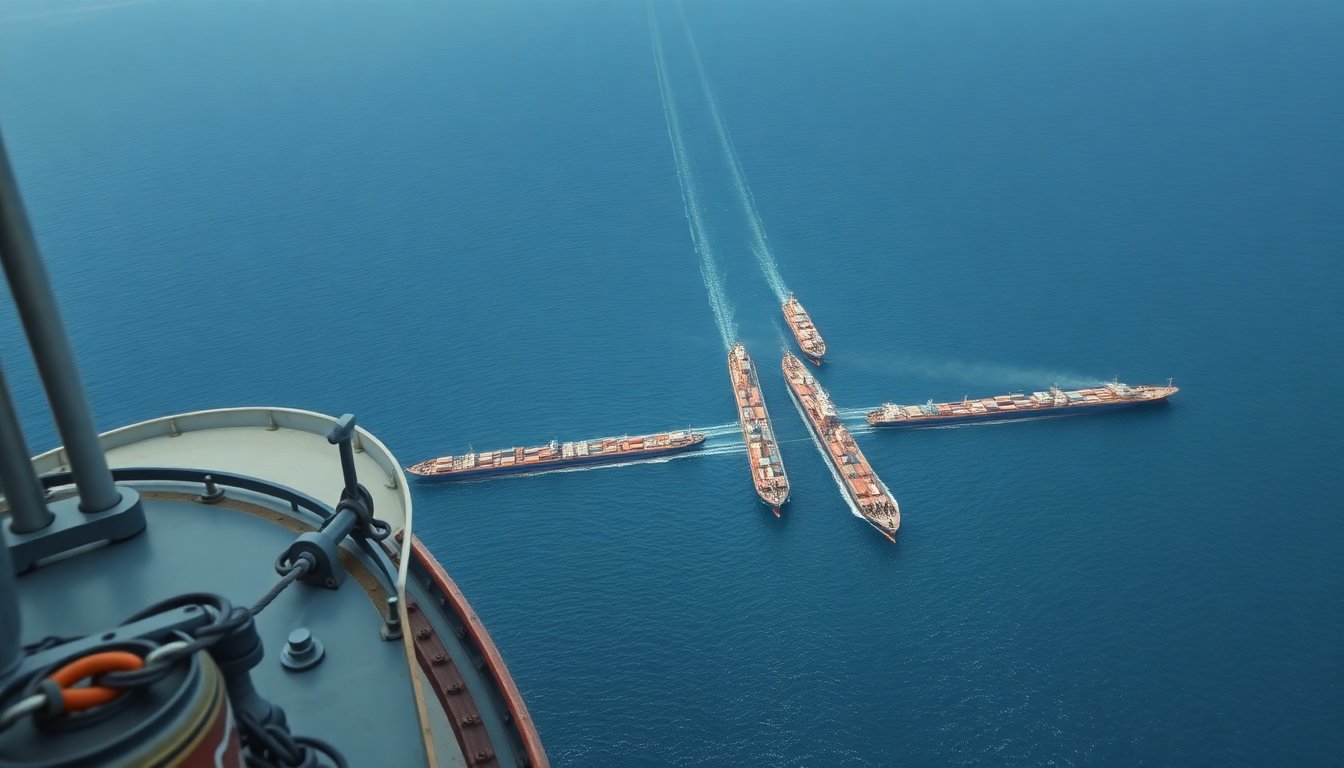
Analysts will monitor whether Tehran follows through on threats to open new fronts and how other states respond to pressure on the maritime chokepoint of the Strait of Hormuz. Key indicators include changes in shipping traffic and insurance rates, further statements from regional governments, and any visible movement of forces or establishment of new operational zones. The uncertainty surrounding Mojtaba Khamenei‘s public profile and the reported family casualties add a human and political dimension to an already volatile security picture; how Tehran calibrates its next steps could determine whether the conflict widens or settles into a protracted, multi-domain confrontation.