
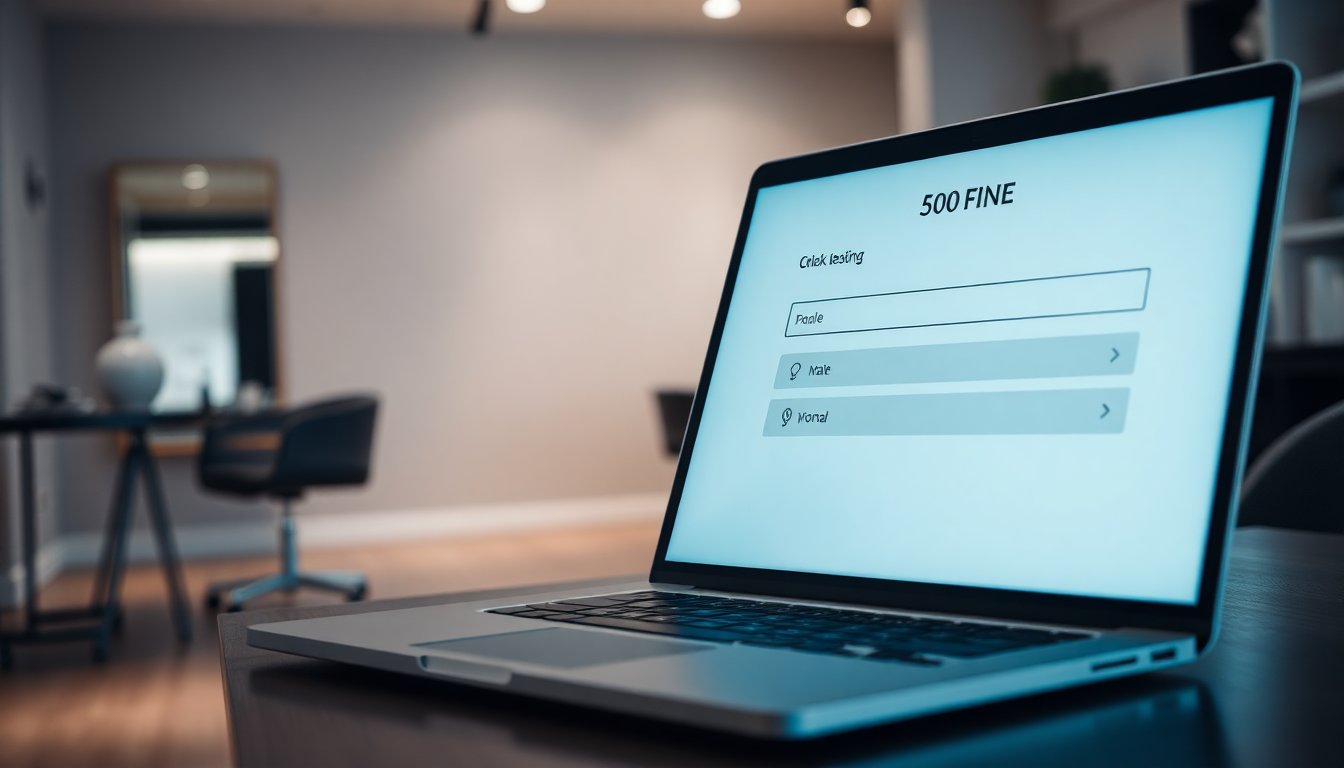
Montreal salon Station10 has been ordered by the Quebec Human Rights Tribunal to pay $500 to customer Alexe Frédéric Migneault after the tribunal found the salon’s online booking form forced users to choose only “male” or “female.” The case centers on whether a simple design choice—omitting a neutral or non-binary option—amounted to discrimination based on gender identity or expression. Station10’s co‑owner, Alexis Labrecque, told the tribunal the binary options came straight from the website template in 2026; a neutral option was added only after the complaint was filed. The salon has until March 5 to lodge an appeal.
What the tribunal found
– The tribunal examined whether the intake form’s limited choices created a barrier for the complainant. Under Quebec human rights law, administrative and technical decisions that produce exclusionary effects can be unlawful even when there was no intent to discriminate. – The tribunal concluded the binary-only booking field did pose a barrier and awarded $500 for moral prejudice, along with directions to fix the problem so it doesn’t recur.
Why this matters for businesses
This ruling signals that regulators are paying attention to the small details of digital design. A dropdown menu that looks trivial can have legal consequences if it effectively erases protected groups. That doesn’t just affect salons — any organization that collects personal data through forms, apps or third‑party booking tools should take notice.
Practical steps companies can take now
– Audit customer-facing forms and third‑party tools for exclusionary defaults. – Add inclusive options such as “non-binary,” “prefer not to say,” or an open-text field so people can self-identify. Make these fields optional where feasible. – Update back-end systems and databases so they can store non-binary entries without forcing binary markers. – Train front-line and customer-support staff on respectful handling of gender information and on procedures for non-standard entries. – Review contracts with software vendors to ensure timely updates and to include accessibility and inclusion requirements. – Keep records of any remediation steps and the reasons for design choices to demonstrate good‑faith efforts if a complaint arises.
Risks and likely enforcement
Human rights complaints can result in compensation orders, mandatory remedies and reputational harm. Tribunals and regulators are increasingly willing to scrutinize not just policies but the technical choices that shape users’ experiences. Businesses that rely on off-the-shelf platforms should check their exposure: a vendor’s default setting can become your legal problem.
Broader legal and social implications
The decision contributes to a growing body of case law recognizing the practical consequences of erasing non-binary people in administrative systems. While jurisprudence on non-binary identities is still developing, this ruling makes clear that formal systems—forms, databases, workflows—can and should reflect diverse gender realities. For individuals and advocacy groups, the judgment affirms that inclusion in everyday interactions is a civil-rights issue, not merely a matter of etiquette.
Voices in the story
– From the salon’s perspective, this was an unintended consequence of using a template. Labrecque framed the episode as a cautionary tale about development and vendor choices. – For regulators and advocates, the case underscores a concrete compliance risk: default or mandatory binary fields may amount to exclusion under human rights standards. – For customers, the ruling confirms that administrative processes should not make it harder to access services because of gender identity.
What comes next
Station10 can appeal by March 5; if the case goes higher, it could further clarify businesses’ obligations under Quebec human rights law. If the decision stands, expect more complaints from people who encounter exclusionary systems and pressure on software vendors to build inclusive defaults. Those steps reduce legal exposure, improve customer experience, and signal that your organization respects the people it serves. The Station10 decision is a reminder that design choices—even small ones—carry real consequences.