
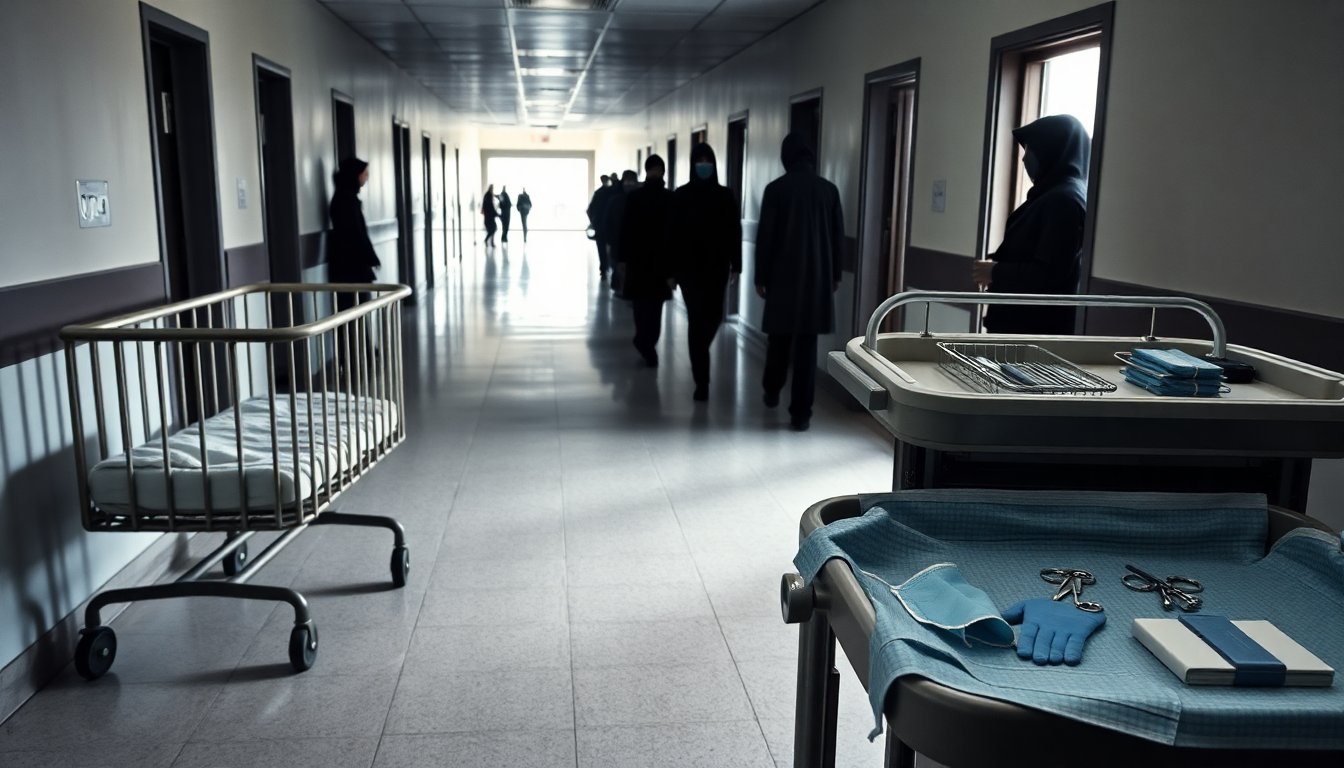
Overview Documents reviewed by this investigation show that Médecins Sans Frontières (MSF) temporarily scaled back nonurgent services at Nasser Hospital in Khan Younis after field teams reported masked, armed individuals moving through parts of the complex. Around Feb. 15, MSF described the incidents as a pattern of intimidation and the apparent movement of weapons. The charity kept emergency trauma and burn surgery running while reducing support for maternity, pediatrics and some mental‑health and neonatal activities — a measured step it said was intended to protect patients and staff while preserving life‑saving capacity.
What the records show Internal reports and public statements from MSF describe staff on site witnessing armed, masked people inside or adjacent to hospital areas. Those accounts use words like “unacceptable acts” and record requests from MSF for clear security guarantees before returning suspended services to normal. At the same time, MSF’s documentation makes plain that it did not shut the whole hospital: inpatient and surgical units for acute trauma and burns remained open so that critically injured patients could still receive care.
Reconstructed timeline According to the papers, the sequence unfolded quickly. Clinical teams reported the armed presence to MSF security officers, who carried out an internal risk assessment. MSF then announced targeted suspensions of nonurgent programs and informed local health authorities. The pause affected maternity wards, pediatric services, outpatient mental‑health clinics and some neonatal intensive‑care support; meanwhile, emergency surgical teams continued to operate. MSF framed the change as temporary and conditional on verification of safe conditions.
Who’s involved MSF is the principal actor here: its field teams observed the incidents, its leadership authorized service adjustments and its incident logs documented requests to local authorities for reassurance. Nasser Hospital and its administrators feature as the local partners managing the immediate patient implications. The identities and affiliations of the armed individuals are not spelled out in MSF’s public papers; local Gaza authorities, including the Hamas‑led Interior Ministry, denied that militants were present and described the personnel as civilian police there to maintain order.
Operational and clinical consequences The immediate effect is a narrower range of available care. Suspending maternity, pediatric and some neonatal services removes critical capacity from an already strained health system, increasing referrals, transfers and delays for vulnerable patients. Keeping trauma and burn surgery open preserves Emergency response for life‑threatening cases, but specialists, equipment and neonatal incubators that MSF had been providing were scaled back — a change that strains remaining staff and risks worse outcomes for newborns and patients with complex needs.
Legal and humanitarian context Hospitals enjoy special protection under international humanitarian law, but that protection can be lost if facilities are used for military purposes. MSF and other aid organisations repeatedly call for medical sites to remain neutral; the records show this is a contested principle on the ground. Disputed accounts — MSF’s observations versus local authorities’ denials — create barriers to impartial verification and complicate efforts to secure enduring safeguards for clinical operations.
Wider operational effects The documents reveal a pattern: reports of armed activity near medical sites lead organisations to tighten access, curtail services and restrict staff movement. Those changes, repeated over weeks, erode routine care, force ad hoc redistribution of scarce resources and increase the workload on emergency departments. Donors, international partners and hospital managers have proposed contingency plans — temporary specialist missions, targeted supply runs and rapid staff training — but security and access constraints limit what can be implemented quickly.
What happens next MSF has signalled the suspension is temporary and tied to on‑the‑ground safety assessments. The organisation says it will monitor conditions, coordinate with local authorities and adjust services as security allows. The documents suggest likely next steps: requests for formal guarantees from authorities, third‑party monitoring or verification missions, phased reopenings of outpatient programs once risks are mitigated, and continued public updates from both MSF and local health officials. If verification remains elusive, humanitarian partners may escalate reporting to international oversight bodies and pursue alternative measures to protect patients and staff. Conflicting accounts about who was present inside hospital grounds have immediate clinical consequences and broader legal and diplomatic implications. Restoring full services will hinge on credible, verifiable security arrangements and improved channels for impartial monitoring.