
Table of Contents
“`html
The political landscape in Myanmar has become increasingly complex following the military coup in February. In a bid to restore some semblance of legitimacy, the junta has initiated a series of elections, the first in five years. However, this move has been met with skepticism both domestically and internationally, as many critics view it as a mere façade designed to reinforce military rule.
The backdrop of conflict and political tension
Since the coup, Myanmar has spiraled into a state of civil conflict characterized by widespread protests and armed resistance against the military government. The junta, led by General Min Aung Hlaing, has portrayed these elections as a step toward democratic governance. Yet, the reality is starkly different, with the United Nations and numerous countries expressing concerns over the integrity of the electoral process.
Global reactions to the elections
Notably, the Trump administration has joined a small group of nations, including China and Russia, in endorsing the electoral process. This endorsement stands in stark contrast to the opinions of many Western governments and human rights organizations, which have condemned the elections as illegitimate. The UN has stressed the necessity for elections that are free, fair, and credible, emphasizing the need for a political process that genuinely reflects the will of the Myanmar populace.
Details of the electoral process
The elections are being conducted in multiple phases, extending from late December to late January, with the junta maintaining tight control over the proceedings. Observers have noted that the voting is heavily restricted, with many regions unable to participate due to ongoing conflicts. The leading democratic party, the National League for Democracy (NLD), has been banned from participating, and its leader, Aung San Suu Kyi, is currently imprisoned, serving a lengthy sentence.
Challenges faced by voters
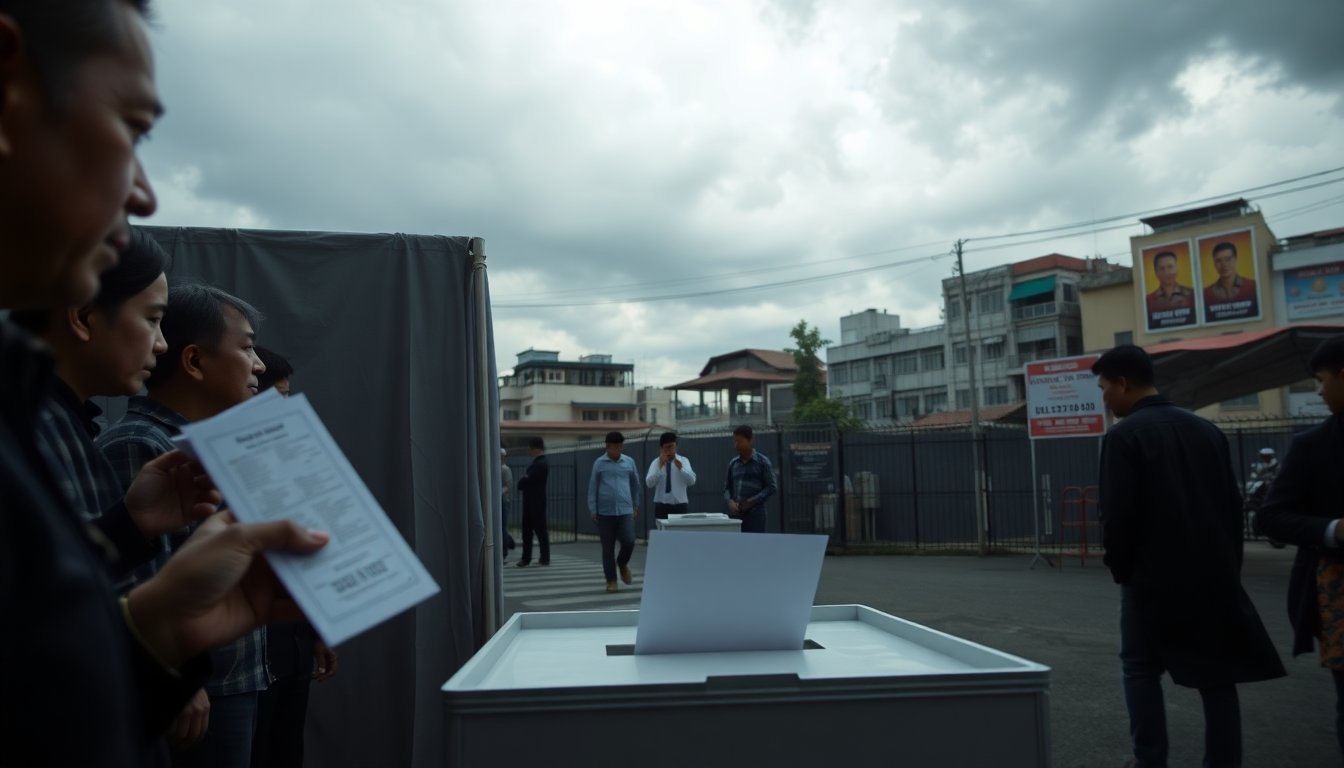
Voter turnout is expected to be low, as many citizens view the elections as a mere propaganda exercise rather than a genuine opportunity for democratic engagement. Reports from polling stations indicate that military personnel are actively monitoring the voting process, further contributing to a climate of fear and distrust. The junta’s claims of conducting free and fair elections are met with skepticism, especially as they continue to suppress any form of dissent or opposition.
The future of democracy in Myanmar
The path ahead for Myanmar remains uncertain. As the military seeks to solidify its hold on power through these elections, the reality is that many citizens yearn for a return to true democracy. The international community continues to rally support for the people of Myanmar, advocating for their aspirations for a democratic future. The UN has reiterated its commitment to standing with the people of Myanmar, urging the junta to embrace a more inclusive and transparent political process.
As the voting unfolds, it serves as a critical moment for Myanmar. Will the junta succeed in portraying these elections as legitimate, or will the voices of the people continue to rise against oppression? Only time will tell, but the desire for democracy remains resilient among the populace.
“`