
Table of Contents
In Saskatoon, Amanda Walker, a new resident, has unexpectedly become a crucial responder in the ongoing overdose crisis. Having relocated to the city a year ago, she has already faced life-threatening situations twice within her apartment complex. On both occasions, she utilized take-home naloxone kits to reverse the effects of opioid overdoses. These experiences have highlighted the pressing nature of the crisis affecting many communities.
The latest incident was particularly dramatic. After returning from shopping, Walker encountered a woman lying unconscious on the staircase of her building. Panic flooded her as she approached the scene. “When I saw her, I thought she was dead,” Walker recounted, noting the woman’s blue-tinged lips and pale skin. A glimmer of hope emerged as she observed the rapid beating of the woman’s heart.
The evidence of overdose emergencies
Despite her prior experience with naloxone, Walker found this situation especially daunting. “I felt my hands shake as I prepared the vial; adrenaline was rushing through me,” she shared. “This was much scarier than my first time using naloxone because it was a race against time.” The weight of knowing that the woman could have died without her intervention was significant.
After the event, Walker reached out to the individual she rescued. While relieved that the woman was recovering, she recognized a harsh reality: this incident was not an isolated case, nor would it likely be the last.
The broader implications of the overdose crisis
As overdose incidents in Saskatchewan rise, recent reports from the coroner’s office reveal a paradoxical decline in toxic drug fatalities. Some experts believe that the widespread distribution of naloxone kits is crucial to this decrease. Miranda Deck, a representative from Prairie Harm Reduction, noted the concerning rise in overdoses this year. “We are seeing a heightened interest in naloxone training, driven by increased awareness of overdose risks,” she explained.
Deck emphasized the importance of these kits, stating that many individuals are likely reversing overdoses without official reporting. “With more naloxone kits being distributed, countless lives are being saved, often without recognition,” she added.
Emergency responders’ perspective
Rob Hogan, Deputy Chief of the Saskatoon Fire Department, echoed these concerns, highlighting the changing landscape of drug use. “We are encountering substances that resist naloxone, requiring multiple doses for reversal,” he warned. Hogan reported a troubling increase in overdose calls to his department, with incidents doubling compared to the previous year.
This rising trend in drug abuse is not limited to certain neighborhoods; it affects the entire Saskatoon community. Both Walker and Hogan have observed that the crisis is impacting all areas, prompting joint efforts from residents and emergency services.
Taking action against the overdose epidemic
Walker is dedicated to raising awareness and promoting action. “If you see someone who appears to be asleep on the street, consider that they may be in danger,” she advised. Her experience underscores that awareness and knowledge can be critical in saving lives.
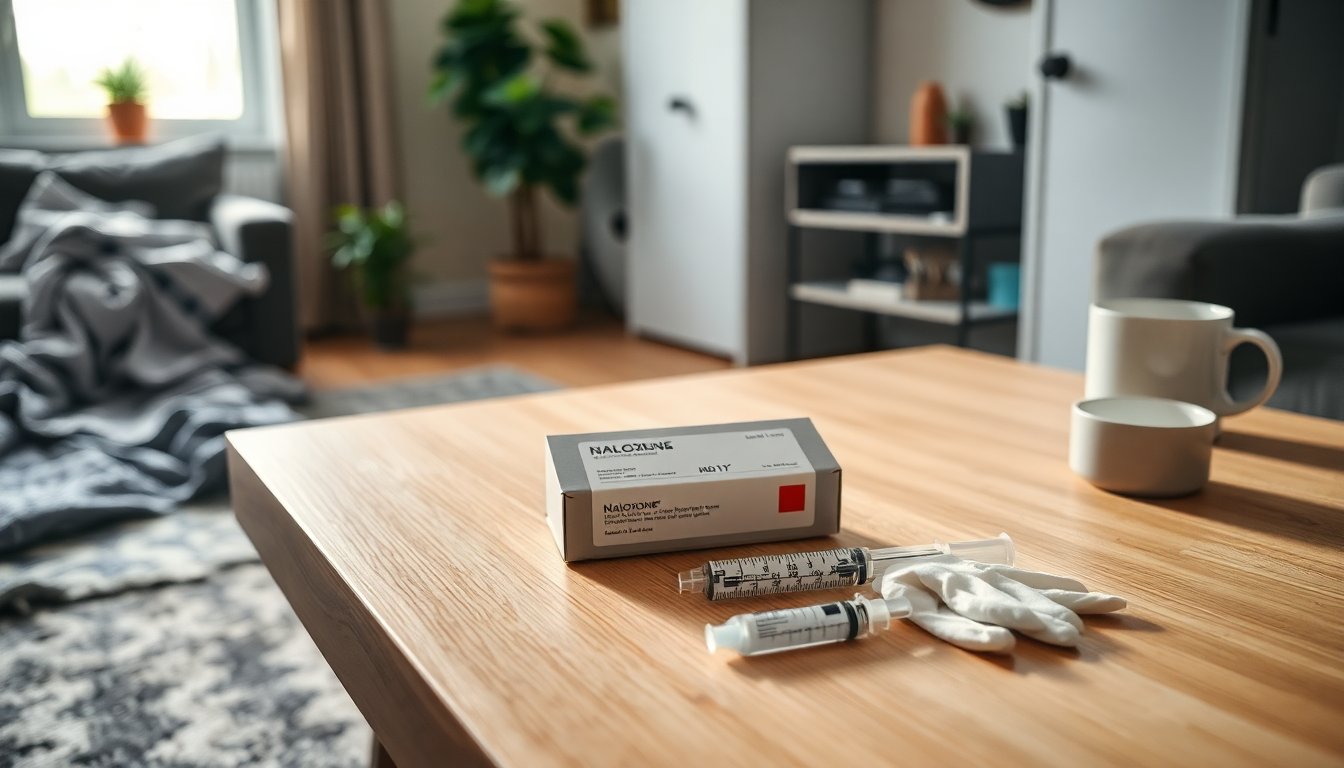
Naloxone kits are available free of charge across Saskatchewan, accessible at pharmacies, emergency rooms, safe injection sites, and through online requests. This initiative aims to empower residents with the necessary tools to effectively combat the overdose crisis.