
Table of Contents
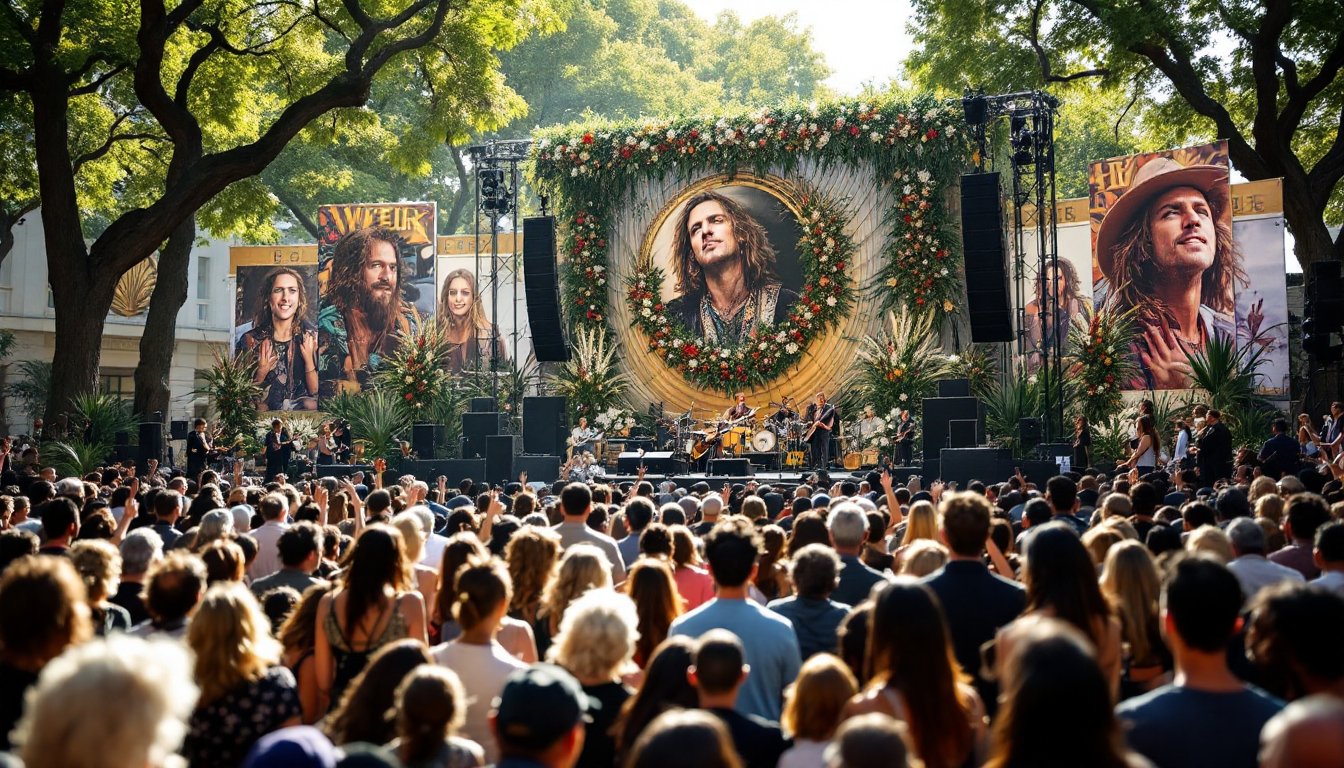
In a recent public gathering at San Francisco’s Civic Center, attendees celebrated the life and legacy of Bob Weir, co-founder of the Grateful Dead. The event took place on a Saturday, attracting a diverse audience of fans, musicians, and notable political figures, including Nancy Pelosi, the former Speaker of the House. Weir, who passed away at the age of 78 earlier this month, was fondly remembered by many.
During her tribute speech, Pelosi shared her reflections on Weir’s impact. However, her performance drew swift criticism across various social media platforms. Observers noted moments where she appeared to struggle with her words while honoring Weir’s contributions to music and culture.
Public reaction to Pelosi’s performance
As Pelosi described Weir, she referred to him as a “force of nature,” emphasizing his dynamic influence on the music world. Despite these heartfelt words, her behavior on stage raised eyebrows, particularly as she swayed and sang along to the Grateful Dead classic ‘Ripple’, performed by John Mayer.
Critics quickly took to platforms like X (formerly Twitter) to voice their opinions. One user provocatively questioned, “Is Nancy Pelosi drunk at the Bob Weir Homecoming?” suggesting that her demeanor was inappropriate for the solemn occasion. Others pointed out her choice of attire—a vibrant magenta suit—contrasting sharply with the predominantly black outfits worn by other attendees.
Wardrobe choices and social media commentary
The contrast of Pelosi’s bright attire drew multiple comments. One individual humorously remarked, “Nancy Pelosi wearing a very somber magenta on stage at Bob Weir’s funeral,” reflecting the general consensus that her outfit did not fit the event’s tone. Such remarks further fueled the online backlash against her, with many questioning her presence at the memorial altogether.
Despite announcing her plans to retire from Congress in 2027, some attendees expressed confusion about her role at the tribute. One post read, “Why is [Nancy] Pelosi speaking at this Bob Weir memorial?” highlighting the disconnect felt by several audience members.
A legacy remembered
The tribute to Weir featured prominent artists like Joan Baez and Wynonna Judd, who joined in celebrating the musician’s life. Following his passing, Weir’s family shared a heartfelt statement on social media, underscoring his strength and connection to loved ones during his final days.
Weir’s family confirmed that he had battled cancer before his death, expressing their profound sadness in announcing his transition while noting that he was surrounded by family. This context added deeper significance to the memorial, as many fans gathered not only to honor his music but to reflect on the community he built.
While Pelosi’s remarks included a political message urging attendees to exercise their right to vote, the combination of her speech, demeanor, and wardrobe choices overshadowed the intended tribute. Holding up a sign that read ‘vote’, she emphasized Weir’s love for democracy, but her delivery failed to resonate positively with many observers.
The memorial for Bob Weir served as a poignant reminder of his lasting impact on the music world and the connections forged through his art. However, Nancy Pelosi’s appearance at the tribute elicited a wave of criticism that detracted from the event’s purpose. The mixed reactions from fans and critics alike illustrate the complex intersection of politics and culture, particularly when public figures engage in personal tributes.