
Table of Contents
In a dramatic turn of events, Nasry Asfura has emerged as the victor of the presidential elections in Honduras, representing the right-leaning National Party of Honduras (PNH). This election result is poised to significantly alter the political dynamics in Central America. The final tally indicated a close race, with Asfura receiving 40.3% of the votes, narrowly beating out the Liberal Party‘s Salvador Nasralla, who garnered 39.5%.
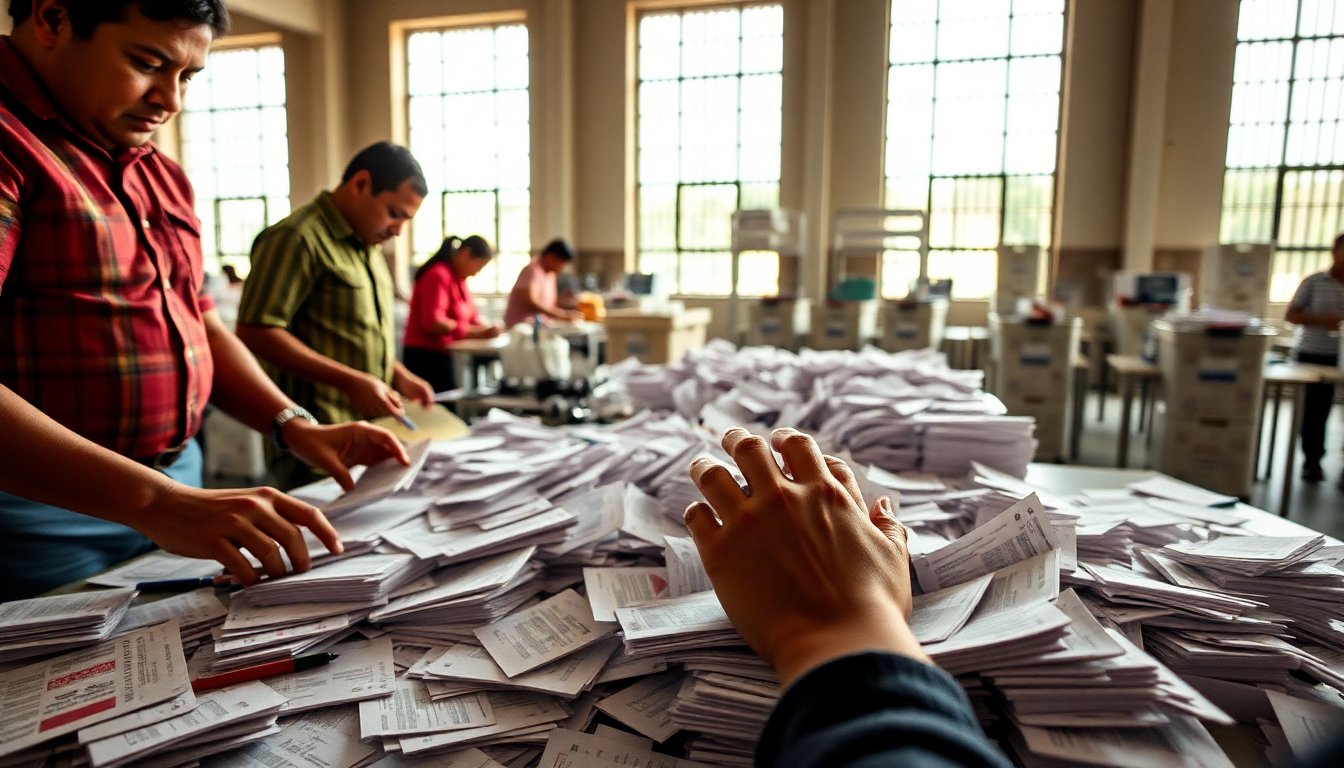
The conclusion of the election was marred by delays in the vote-counting process, prompting accusations of electoral fraud and technical issues that held up the results for several days. A substantial portion of the vote—approximately 15% of the tally sheets—had to be manually counted to confirm the outcome. The chaotic nature of the ballot processing raised eyebrows and left many questioning the integrity of the electoral system.
The aftermath of a contentious election
Despite the announcement of Asfura’s victory, the political atmosphere remains tense. The president of the Honduran Congress, Luis Redondo, from the LIBRE party, has publicly denounced the results, labeling them as an electoral coup and asserting their illegitimacy. Redondo’s claims emphasize the contentious environment surrounding the election, which has left many citizens in doubt about their democratic processes.
Reactions from political figures
Following the announcement, Asfura took to social media, stating, “Honduras: I am ready to govern. I will not let you down.” However, his victory was met with skepticism from various quarters. Marco Rubio, the U.S. Secretary of State, congratulated Asfura, expressing optimism about future collaboration to enhance prosperity and security in the region. Yet, the shadow of electoral disputes looms large over his administration.
The vote-counting process had been tumultuous, with technological failures leading to a complete crash of the public tally website. This further fueled claims of manipulation. The narrow margin of victory—just a few thousand votes separating the candidates—has raised alarm bells, especially since the candidates were almost tied at one point.
Endorsements and implications
Asfura’s candidacy received a significant boost from Donald Trump, who had publicly endorsed him multiple times. Trump’s support appears to have galvanized Asfura’s campaign, as the former president emphasized that failure to win could jeopardize U.S. financial aid to Honduras. Just before the election, Trump suggested a full pardon for Juan Orlando Hernandez, the former president of Honduras currently serving a lengthy prison sentence for drug trafficking, further intertwining the political fates of these leaders.
Candidate profiles
Asfura, often referred to as Tito, is a seasoned politician with a background as the former mayor of Tegucigalpa. Known for his emphasis on infrastructure development and public safety, his leadership style has been characterized by a focus on efficiency. On the other hand, Nasralla, a former television personality, aimed to address rampant corruption and mobilize public support for reform, but ultimately fell short in his quest for the presidency. His campaign, while popular, could not convert celebrity into votes.
Rixi Moncada, the candidate from the LIBRE party, finished third but is notable for her extensive experience as a lawyer and former minister of national defense. Her platform centered around institutional reform and social equity, aiming to address the deep-rooted issues that plague the country.
Looking ahead
The elections not only decided the presidency but also saw the election of a new Congress and numerous local positions, signifying a broader shift in governance. As the dust settles, the implications of Asfura’s victory will unfold, particularly in terms of potential reforms and the stability of Honduras’ political landscape. The country stands at a crossroads, grappling with the challenges of ensuring a fair electoral process while moving towards governance that meets the aspirations of its people.