
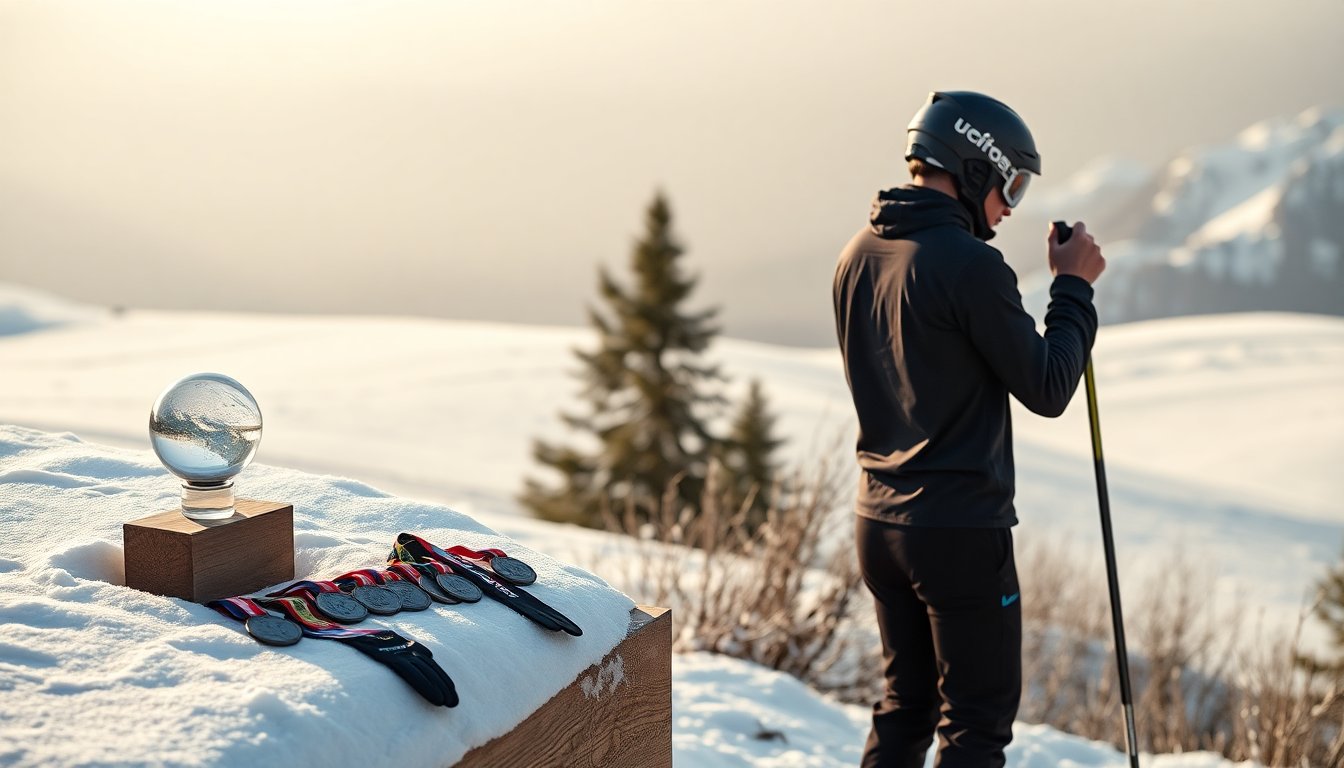
Natalie Wilkie, 25, from Salmon Arm, British Columbia, is heading into her third Paralympics at Milano Cortina 2026 — and she’ll do it with the honour of carrying Canada’s flag at the opening ceremony. First competing at the Games as a 17-year-old, Wilkie now arrives with seven Paralympic medals across two editions: three gold, two silver and two bronze. Her story is one of steady progress, World Cup victories and season-long consistency that culminated in an
The record of her results paints a clear picture. Multiple World Cup wins in both Para cross-country and Para biathlon underline her versatility. Technical data and race reports point to particularly strong shooting in biathlon and dependable pacing in cross-country events — the kind of steady scoring that adds up over a season and earned her top honours in the women’s standings. Her rise didn’t happen overnight; it reflects incremental gains, robust national programming, and repeated exposure to high-level competition.
Wilkie’s path started close to home, learning to ski with family at a local hill. She faced serious setbacks early on: a broken leg at 12 and, at 15, a shop accident that resulted in the loss of four fingers on her left hand. At first she kept the injury private, even bandaging it to get by. Discovering Para sport provided practical adaptations and a competitive route forward, and by 17 she was competing on the Paralympic stage. Season by season, she grew from promising newcomer into a multi-medallist and a leader on the World Cup circuit.
Her development has been shaped by a network of people and programs. Family members offered early skills and steady emotional support through recovery. Canada’s national sport system supplied coaching, specialized equipment and regular competition opportunities. Coaches, support staff and teammates refined her technique — sharpening shooting accuracy in biathlon and honing race strategy in cross-country. And at the center of it all, Wilkie’s combination of resilience and disciplined training turned potential into podium finishes.
Wilkie’s journey has broader implications beyond medals. Her openness about living with a disability, and finding a welcoming Para-sport community, has helped reduce stigma and shift conversations about adaptation and elite performance. Her World Cup consistency and the Crystal Globe signal healthy depth in Canada’s Para nordic program and suggest strong athlete pathways ahead. With the added visibility of being flag bearer, she’s likely to attract more media attention, sponsorship interest and influence as a public figure in sport.
Looking ahead to Milano Cortina 2026, Wilkie aims to add to her medal collection while soaking in the Games experience. She’ll rely on a technical support team and national program infrastructure to stay sharp, and observers will be watching for signs she can sustain long-term dominance. What stands out most is the pattern that’s carried her this far: measured, persistent growth built on personal grit, technical excellence and structured support as she steps back onto the Paralympic stage.