
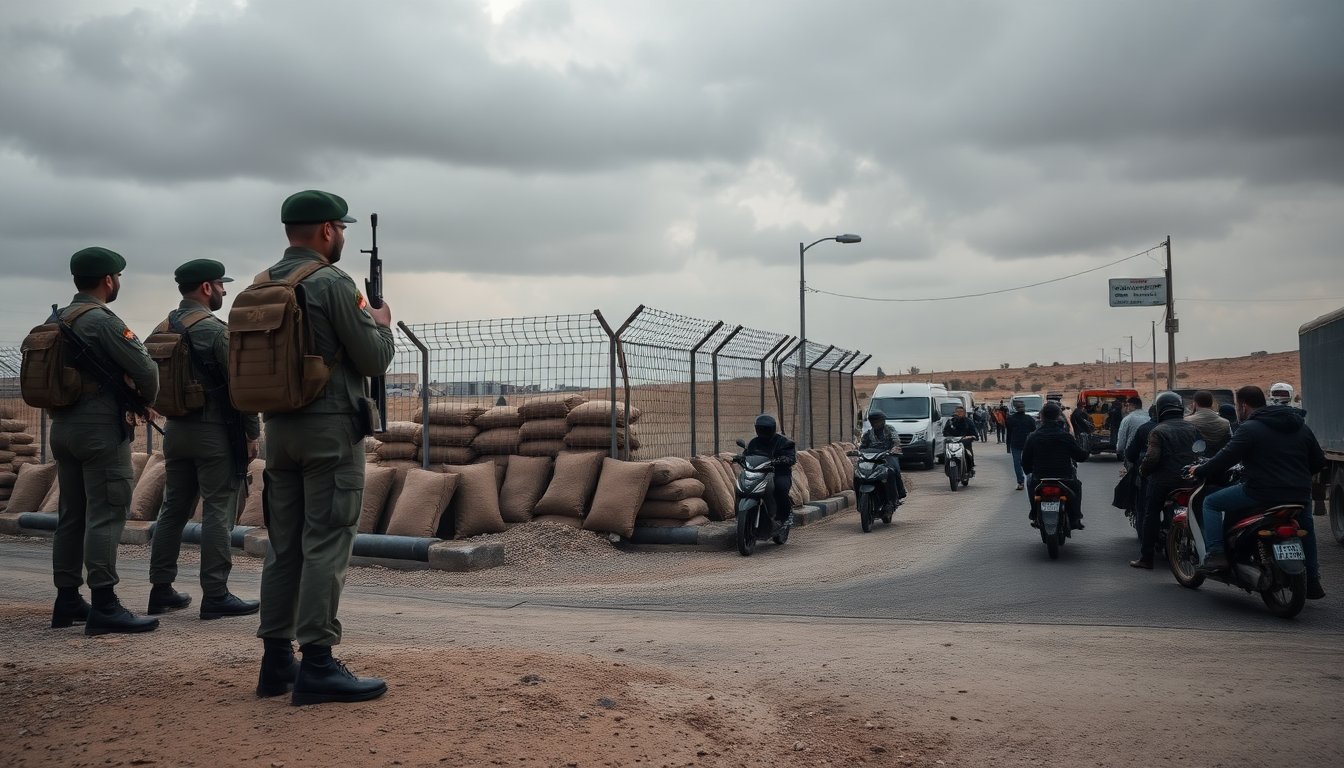
The ongoing quest for peace in Gaza has reached a pivotal moment, raising the significant question of who will assume responsibility for maintaining order. As discussions about potential peacekeeping forces unfold, it is essential to recognize the inherent risks associated with deploying troops to this volatile region.
With a history marked by conflict, any external military presence may face immediate resistance, particularly from groups like Hamas, which has publicly declared its intent to oppose foreign interventions. This creates a complex landscape for peacekeeping efforts.
The role of international forces in Gaza
International forces have often been viewed as potential stabilizers in conflict regions. However, the Gaza Strip presents unique challenges due to its political dynamics and the presence of numerous armed factions. Sending troops into the enclave could lead to confrontations, particularly with Hamas, which has vowed to resist any form of external control.
Hamas’s stance on foreign interference
Hamas, a significant player in Gaza, perceives foreign military presence as a direct threat to its authority and autonomy. Their commitment to resist foreign intervention complicates the peacekeeping landscape, as any attempt to enforce order might escalate tensions rather than mitigate them. This raises questions about the effectiveness of peacekeeping forces and whether they might provoke further violence.
Potential implications of peacekeeping missions
Bringing in international troops could have various implications for the region. A well-coordinated peacekeeping mission might help stabilize the situation and provide a sense of security to civilians. Conversely, if not managed carefully, it could lead to increased conflict and a cycle of violence, undermining the very peace it aims to establish.
Historical precedents of peacekeeping
Examining historical examples reveals that peacekeeping operations in other regions have yielded mixed results. In some cases, foreign troops have successfully reduced violence, while in others, their presence has exacerbated tensions. The situation in Gaza is particularly precarious due to entrenched positions of local factions and deep-seated animosities that characterize the conflict.
Moreover, the potential for miscommunication and misalignment of goals between international forces and local groups could further complicate peacekeeping efforts. This underscores the need for a well-thought-out strategy that emphasizes dialogue and cooperation rather than confrontation.
Building a path to sustainable peace
For any peace plan to succeed in Gaza, it must prioritize local engagement and empowerment. This involves creating platforms for dialogue among different factions, including Hamas, to foster understanding and cooperation. Without the involvement of local stakeholders, any external peacekeeping initiative risks being perceived as an imposed solution, which may lead to further resistance.
Additionally, the role of regional players cannot be overlooked. They can serve as mediators and facilitators, helping to bridge gaps between conflicting parties. The inclusion of regional perspectives may enhance the legitimacy of peacekeeping efforts and promote a more sustainable approach to conflict resolution.
Ultimately, the question of who will police peace in Gaza necessitates careful consideration of the political, social, and cultural factors at play. It is not merely a matter of deploying troops but involves understanding the intricate dynamics of power, resistance, and the aspirations of the Gazan people.
With a history marked by conflict, any external military presence may face immediate resistance, particularly from groups like Hamas, which has publicly declared its intent to oppose foreign interventions. This creates a complex landscape for peacekeeping efforts.0


