
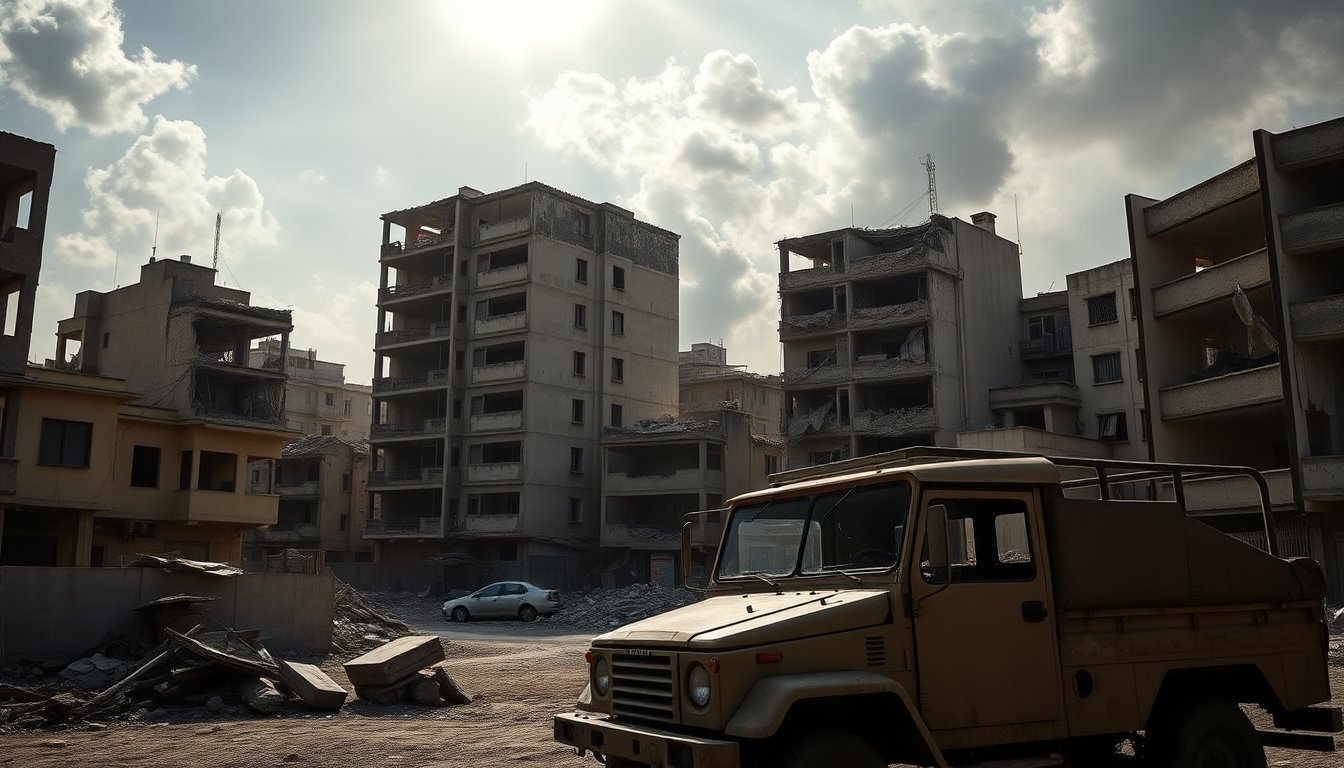
International diplomacy often resembles a complex web of actions and reactions, especially in regions marked by longstanding conflicts. Recent airstrikes in the Middle East have reignited debates regarding the balance between security measures and humanitarian considerations. As nations respond to these events, the ramifications extend beyond immediate military objectives, influencing public perception and international relations.
The backdrop of recent airstrikes
Amid a severe escalation in violence, an airstrike conducted by Israel targeted members of Hamas, resulting in the deaths of five individuals. This operation followed a deadly shooting claimed by Hamas that left six people dead at a bus stop near Jerusalem. Such retaliatory actions highlight heightened tensions following acts of aggression, underscoring the delicate balance of power in the region.
The Israeli ambassador to the United States, Yechiel Leiter, expressed a defiant stance in the face of global criticism, stating, “Right now, we may be subject to a little bit of criticism. They’ll get over it.” His comments reflect a broader sentiment within Israeli leadership that prioritizes national security over international opinion. This perspective illustrates a fundamental challenge in diplomacy: the need for states to navigate both internal and external pressures effectively.
Global implications of regional conflicts
The airstrikes and the subsequent global backlash indicate the wider implications of conflicts in the Middle East. Qatar’s role as a mediator in ceasefire negotiations adds another layer of complexity, as the nation faces scrutiny for hosting parties involved in ongoing violence. The Doha operation, in particular, has drawn widespread condemnation, raising questions about the viability of peace efforts amid continued military actions.
Leiter’s assertion, “If we didn’t get them this time, we’ll get them the next time,” reflects a relentless pursuit of military objectives that often overshadows diplomatic dialogues. The cycle of violence can undermine trust and complicate negotiations, as stakeholders become increasingly entrenched in their positions. Thus, understanding the motivations behind such actions is crucial for comprehending the broader geopolitical landscape.
Looking ahead: the future of diplomacy in the region
Looking to the future, it is essential to consider potential pathways for peace in the Middle East. Continuous military operations can lead to short-term gains but often come at the cost of long-term stability. The international community must weigh the importance of proactive engagement against the backdrop of escalating tensions and humanitarian crises.
In conclusion, the recent airstrikes and the responses they evoke underscore the intricate nature of international diplomacy. As nations grapple with their security imperatives, the challenge remains to foster dialogue and seek resolutions that transcend immediate military objectives. Only through sustained diplomatic efforts can a path toward lasting peace and security be envisioned in this complex region.


