
Table of Contents
The situation in Gaza remains critical as humanitarian organizations endeavor to provide essential support to those affected. With a tenuous ceasefire in place, the challenges related to delivering aid have become increasingly complex. Oxfam and its partners are working diligently to ensure families receive vital necessities, including food, clean water, and medical supplies.
The urgent need for humanitarian aid
As winter progresses, conditions in Gaza deteriorate for many Palestinians. The demand for humanitarian assistance is more urgent than ever, especially for vulnerable groups such as children and pregnant women. Marta Valdes García, Oxfam’s Humanitarian Director, has remarked, “The levels of hunger in Gaza are shocking and preventable.” Despite the dire needs, the Israeli government continues to restrict the flow of aid into the region.
Challenges faced by aid organizations
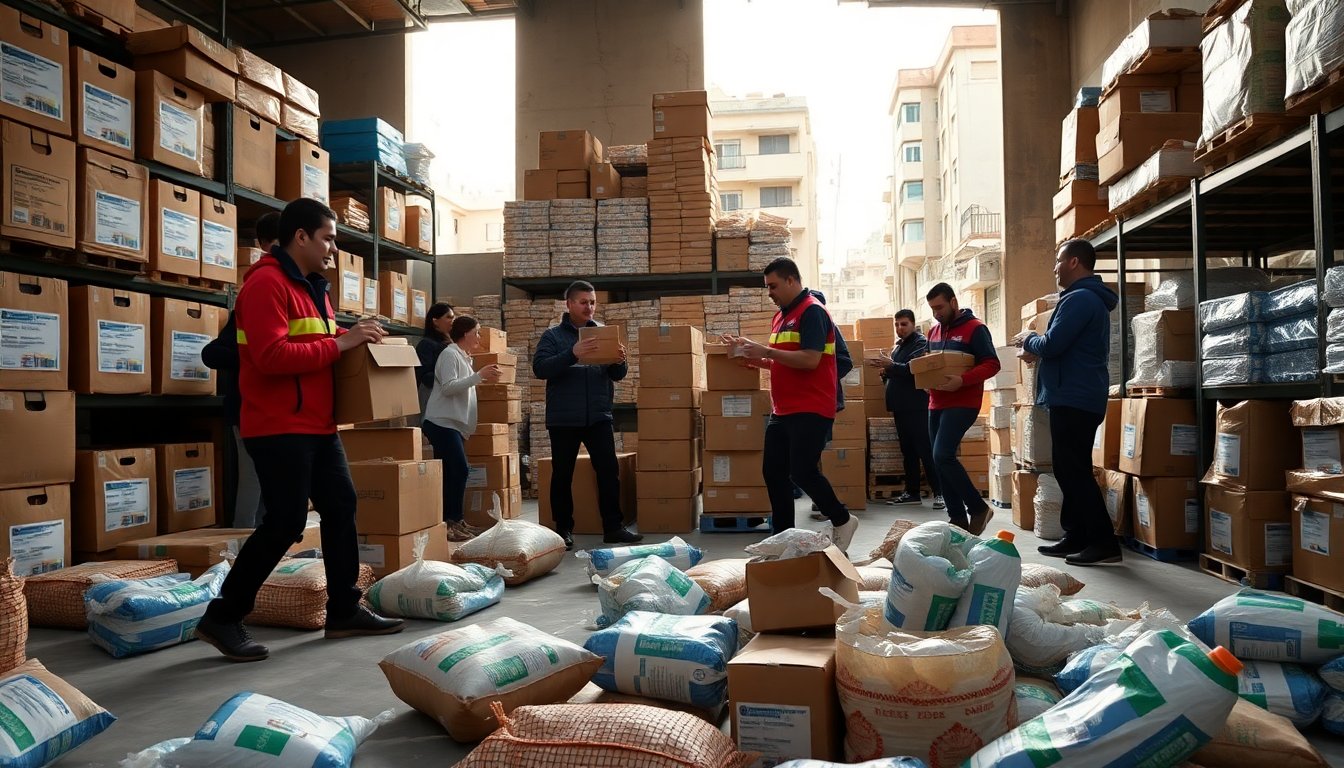
Access restrictions imposed by Israeli authorities are significantly hindering aid groups from delivering essential resources. Since the ceasefire began, Oxfam has encountered numerous obstacles in transporting supplies. Nearly $50 million worth of critical supplies, including food and medical assistance, remain stranded at border crossings. This situation underscores the urgent need for unhindered access to aid to alleviate the suffering of those in Gaza.
Progress and plans for the future
Despite facing significant challenges, progress is evident. Oxfam has resumed its operations in specific areas of Gaza, collaborating with local partners to deliver essential services. Following the ceasefire, Oxfam has prioritized sourcing materials locally to enhance its aid delivery efforts. Recently, the organization successfully installed 600 latrines in southern Gaza, which has greatly improved sanitation facilities for displaced individuals.
Humanitarian aid priorities for the upcoming months
Oxfam and its partners are set to tackle critical needs over the next three months. Their primary focus will include the provision of food, clean water, and healthcare services. Furthermore, they will emphasize WASH services (water, sanitation, and hygiene), essential for preserving health and dignity amid ongoing challenges. By leveraging local resources and expertise, Oxfam aims to assist around 500,000 individuals as soon as access becomes available.
Understanding the humanitarian crisis in Gaza
The humanitarian crisis in Gaza is a pressing global concern that demands immediate attention. Individuals can play a significant role in addressing this crisis by engaging in initiatives that bolster humanitarian efforts. Oxfam, among other organizations, urges the public to advocate for enhanced access to aid, ensuring that affected families receive essential support to rebuild their lives.
Reflecting on the current state of humanitarian assistance in Gaza reveals the urgent need for action to tackle ongoing challenges. Organizations like Oxfam are committed to this cause, but they require a wider coalition of international stakeholders. This collective effort is crucial to drive meaningful change and allocate the necessary resources to those in need.