
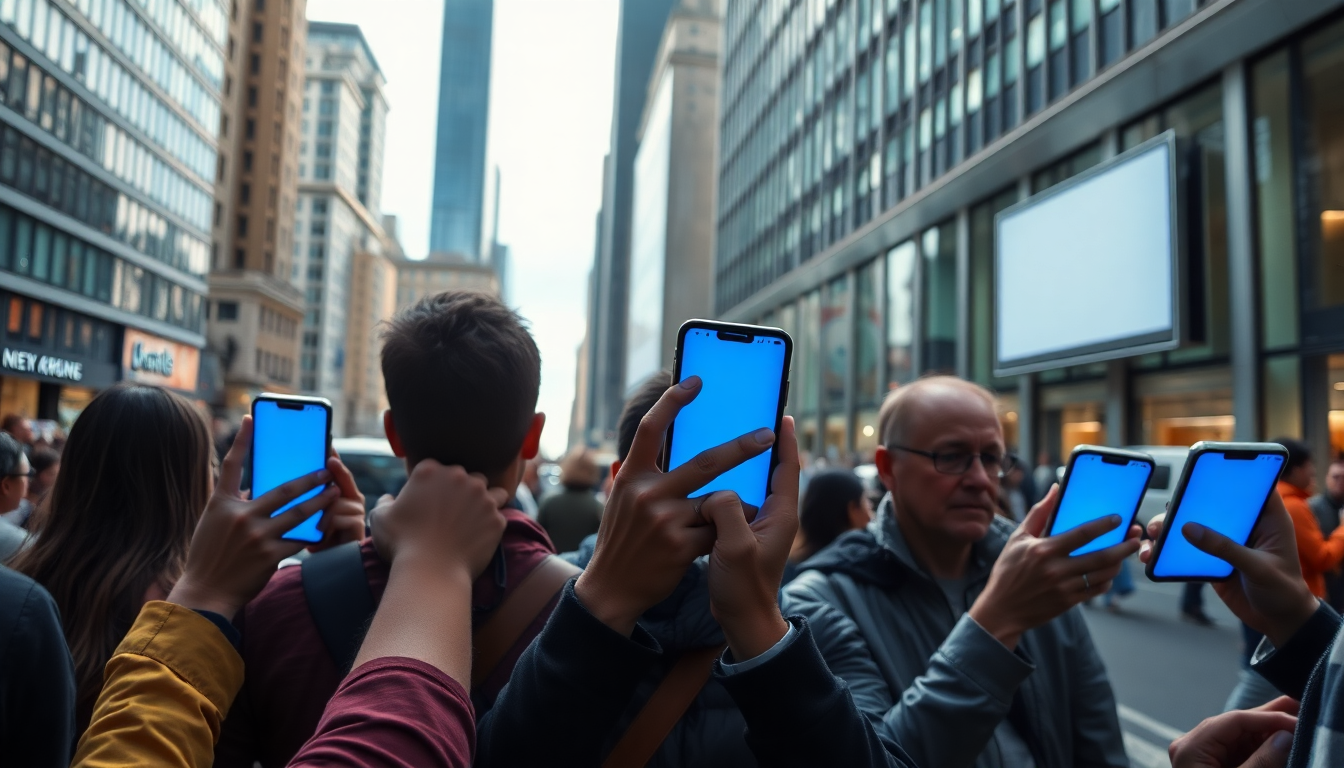
In a world where social media reigns and technology is evolving at lightning speed, distinguishing between fact and fiction is harder than ever. With generative AI making waves, users are bombarded with information, much of which can be misleading or downright false. This challenge has become especially apparent following tragic events, like the recent Air India flight AI171 crash in Ahmedabad, which sparked a flurry of misinformation, illustrating just how viral content can skew public perception.
The Proliferation of Misinformation
The digital age has transformed how we share and consume information. Think about it: platforms like Facebook, Twitter, and Instagram allow anyone to spread content at a breakneck pace, often without verifying its accuracy. In the case of the Air India incident, a video circulated with the misleading caption, “Ahmedabad to London live plane crash,” falsely suggesting it showed the actual crash. Upon closer inspection, it turned out that the footage was merely of another plane taking off from Hong Kong, completely unrelated to the tragic event.
This scenario highlights a broader issue: sensationalized narratives can quickly overshadow factual reporting. The rapid spread of such misinformation can lead to confusion, fear, and misguided opinions among the public. As more individuals rely on social media for news, the consequences of misinformation become increasingly serious, underscoring the importance of critically evaluating the content we consume.
The Consequences of Viral Misinformation
The fallout from sharing false information extends far beyond just confusion. In critical situations—like natural disasters or aviation accidents—misinformation can obstruct emergency response efforts, diverting crucial resources away from where they’re truly needed. It can also incite panic and distrust within communities, heightening tensions and potentially leading to social unrest.
In light of the Air India crash, the public’s reaction to the misinformation reveals just how sensitive we are about aviation safety and the heavy emotional toll such tragedies take. The viral video didn’t just mislead viewers; it also disrespected the gravity of the situation, causing unnecessary distress for those affected. As a society, we need to cultivate a culture of accountability and responsible sharing, encouraging everyone to verify information before hitting that share button.
Strategies for Navigating Misinformation
To effectively combat the spread of misinformation, taking a proactive stance is essential. Here are some practical strategies that can help individuals separate fact from fiction in today’s digital landscape:
- Verify the source: Before sharing anything, take a moment to check where it’s coming from. Reliable news outlets uphold journalistic standards, making them more trustworthy than unverified accounts.
- Cross-check information: Look for multiple sources reporting the same story. If a claim is true, it’s likely to be backed up by several outlets.
- Be skeptical of sensationalism: Headlines that trigger strong emotional responses should be approached with caution. Often, sensationalized content prioritizes engagement over accuracy.
By adopting these strategies, we can help reduce the impact of misinformation and contribute to a better-informed society. As we navigate this digital age, fostering critical thinking and responsible sharing is crucial to upholding the integrity of the information we encounter.
Looking Ahead: The Future of Information Sharing
As technology continues to advance, the challenges posed by misinformation will only escalate. The emergence of tools capable of generating realistic images and videos further complicates the landscape, making it increasingly difficult to tell what’s real and what’s fabricated. However, as awareness of this issue grows, there’s hope for a collective shift towards more responsible information consumption.
Educational initiatives aimed at boosting media literacy will play a vital role in shaping how future generations interact with digital content. By equipping individuals with the skills to critically assess information, we can nurture a culture that values truth and accountability in the digital realm.


