
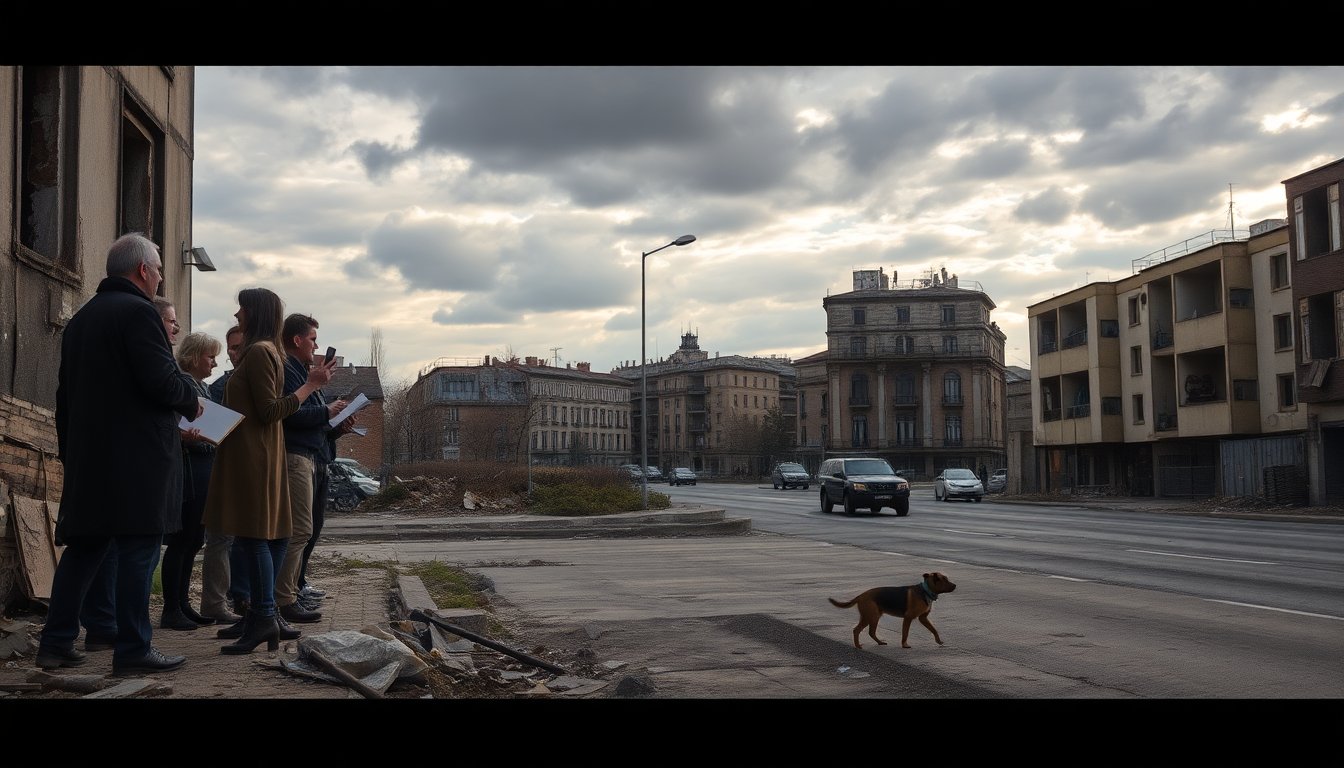
The ongoing conflict in Ukraine has resulted in severe legal consequences for individuals resisting the Russian occupation in areas such as Donetsk, Luhansk, Zaporizhzhia, and Kherson. An investigation by iStories reveals that over the past three years, courts in these regions have issued at least 190 sentences related to charges of treason, espionage, and collaboration with foreign states.
These convictions primarily target those who oppose the occupation, often leading to abductions by Russian security forces. Approximately two-thirds of these legal actions have been classified as espionage, a term typically reserved for non-nationals in Russia but broadly applied to Ukrainian citizens in the annexed territories.
The nature of charges and their implications
The legal framework in the occupied zones has evolved to facilitate the prosecution of Ukrainian nationals on accusations of treason and espionage. The charge of treason is frequently leveled against those coerced into accepting Russian citizenship. This situation raises significant human rights concerns, as organizations argue that even Ukrainians without formal Russian citizenship face treason charges, violating existing Russian laws.
Dual citizenship and its consequences
Moreover, individuals with dual citizenship of Russia and Ukraine often face simultaneous prosecutions under both charges, creating complex legal dilemmas. Sentences for those convicted are severe; on average, individuals found guilty of espionage serve approximately 13.3 years in prison, while those charged with treason face an average of 13.8 years. Alarmingly, there have been instances where individuals received life sentences.
Demographics of the convicted
Analyzing the demographics of those convicted under these harsh charges reveals troubling trends. Women make up over 28 percent of the convicted population, and at least eight teenagers are among those affected. Furthermore, reports indicate that five individuals have died while imprisoned, highlighting the grim reality faced by many.
The broader impact of legal actions
The legal proceedings in these occupied territories reflect the governance under occupation and illuminate the broader societal implications. By criminalizing dissent, the occupying forces foster an atmosphere of fear that stifles free speech and individual rights. The extensive use of espionage charges particularly underscores the regime’s strategy to suppress opposition.
The legal landscape in Russian-occupied Ukraine is fraught with challenges and injustices that disproportionately affect those who dare to resist. As the situation evolves, the ramifications of these legal actions extend beyond individual cases, posing a significant threat to the fabric of Ukrainian society.


