
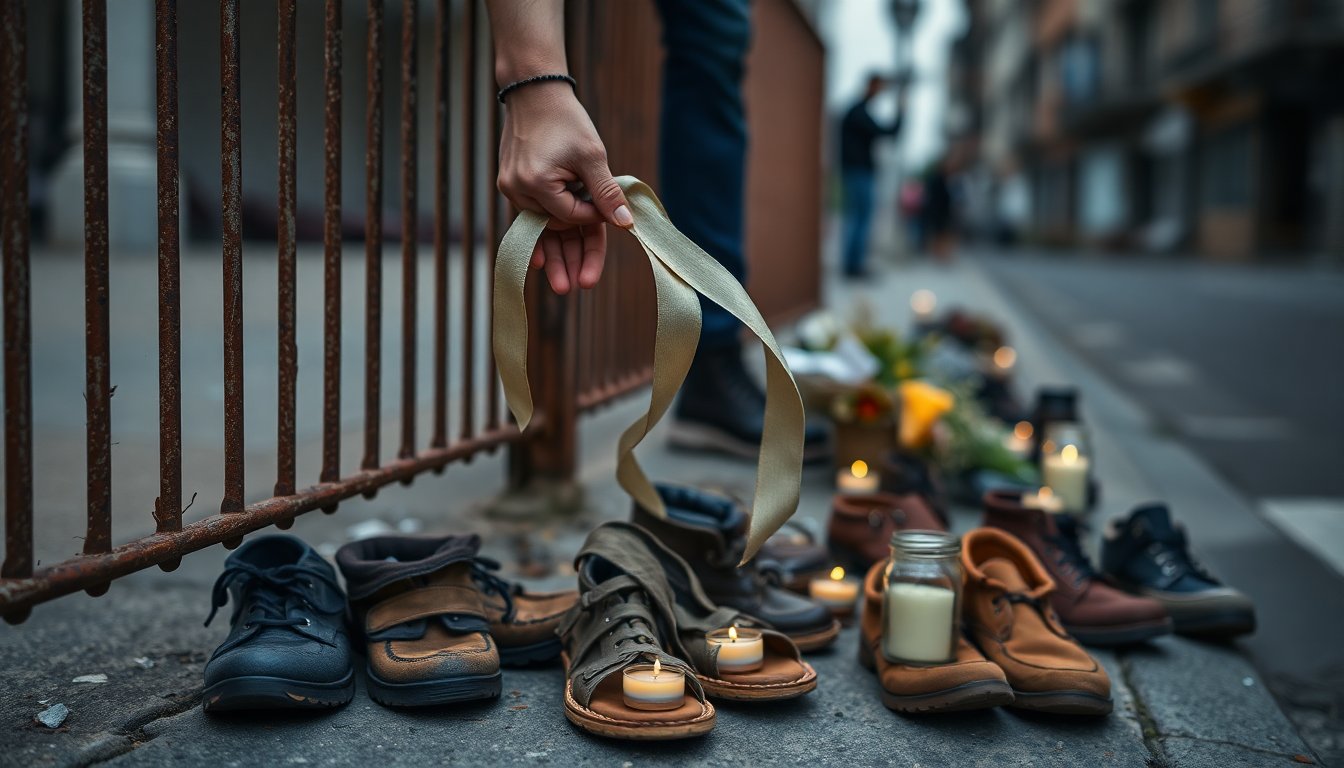
Nazanin Boniadi used a recent national interview to call out a familiar blind spot in parts of the progressive world: public solidarity often flares up after dramatic foreign attacks but then fades while people endure steady, domestic repression. Her message was blunt — solidarity should be sustained, not sporadic — and it landed as both a rebuke and a challenge.
Her point hinges on a simple contrast. Social media and headline news generate instantaneous waves of grief after a high‑profile strike; they rarely sustain attention to the quieter, cumulative suffering of citizens under authoritarian rule. Cultural figures, NGOs and institutions who claim to defend human rights lose credibility when they respond selectively. Consistency, Boniadi argued, is what builds moral authority; performative bursts of outrage do the opposite.
That critique matters for three practical reasons. First, it forces us to examine the principles that guide public solidarity: are we responding to injustice or to attention? Second, it asks how influence is being used: are platforms mobilized for long‑term pressure or single‑moment visibility? Third, it shapes real outcomes — whether cases get legal help, donor support, or the international scrutiny that can protect lives. Sustained attention often decides which abuses reach courts and which vanish from view.
The pattern Boniadi described is familiar: attention spikes around dramatic events, while “slow‑burn” abuses wither in obscurity. That mismatch isn’t merely a moral lapse; it has tangible costs. Short, intense coverage channels funding and political will into immediate crises, leaving chronic violations under‑resourced even though their harm accumulates over time. Episodic pressure can punish an incident, but it rarely builds the oversight, local capacity or durable funding needed to prevent recurrence.
Responses to her challenge were mixed. Some welcomed the nudge toward consistency, calling it a necessary correction. Others warned that treating every crisis the same could dilute resources and blunt urgent responses. Both worries have merit: resources are finite and focus matters. Yet if an organization or public figure presents itself as a defender of rights, people expect a presence before, during and after a crackdown — not just when violence makes the evening news.
If Boniadi’s critique is going to move beyond talk, institutions must bake long‑term practices into their work. Concrete steps include:
– Commit to predictable support: multi‑year grants, steady staffing, and partnerships that survive media cycles.
– Tighten accountability: stronger compliance checks and feedback mechanisms to reduce repeat abuses.
– Protect defenders: legal aid, secure communications and rapid‑response emergency funds.
– Rethink metrics: measure sustained engagement, funds funneled to local actors, and policy impact over months and years rather than counting likes and headlines.
Symbols and statements matter, but without governance, funding and follow‑through they rarely produce lasting change. Influence behaves like liquidity: flashes of attention move markets briefly, but steady investment reshapes outcomes. Boniadi’s ask is simple and demanding — use platforms not only for spotlight moments but to sustain pressure and practical support when the cameras have moved on.