
Table of Contents
“`html
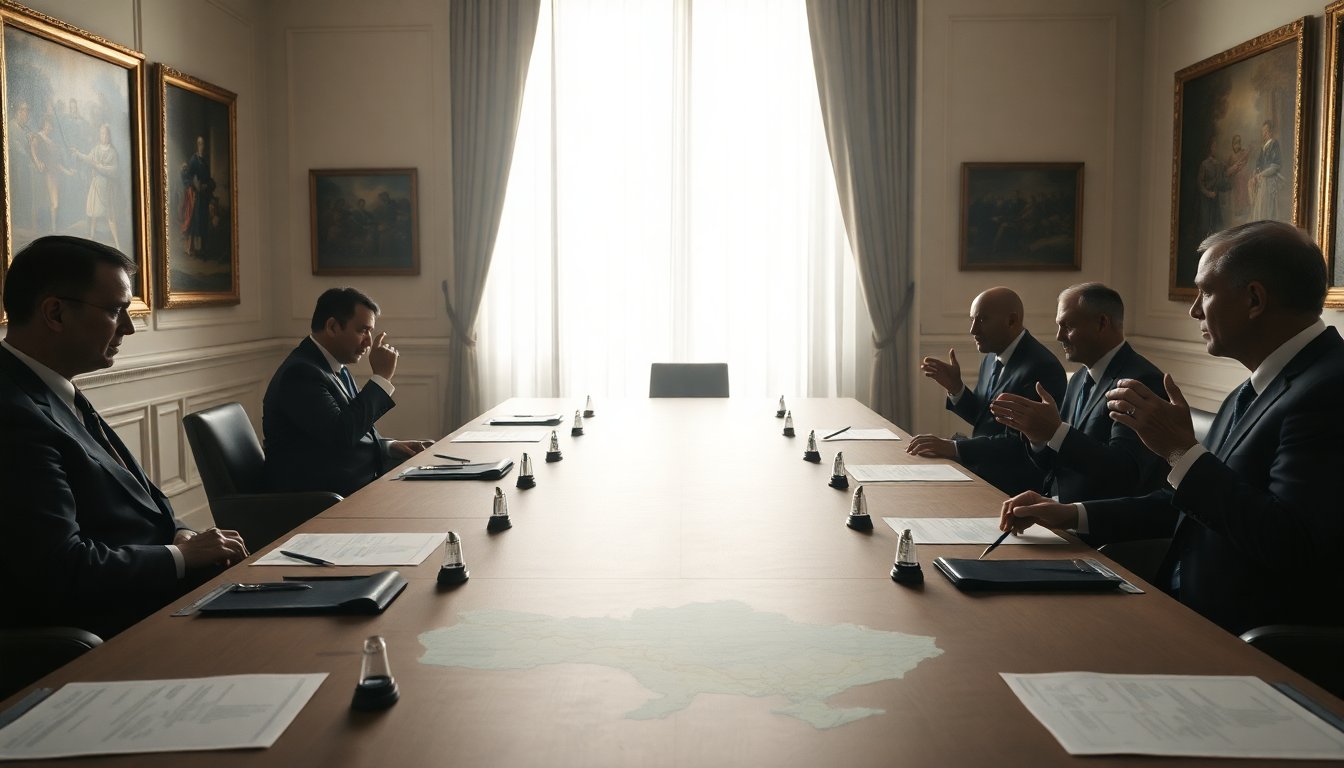
The geopolitical landscape surrounding the conflict in Ukraine continues to evolve, with significant diplomatic efforts being made by the United States. Recently, U.S. envoys are set to meet with Russian President Vladimir Putin to facilitate discussions regarding a peace plan aimed at ending the hostilities that have plagued the region for an extended period.
This meeting is particularly noteworthy as it follows a series of revisions to the original peace proposal, which had included input from various stakeholders, including Russia. The involvement of Steve Witkoff and Jared Kushner signifies a renewed diplomatic push from the U.S. to establish a framework for peace.
Putin’s stance on the peace proposal
In a recent statement, President Putin characterized the U.S. peace plan as a basis for negotiations rather than a finalized agreement. He emphasized the need for serious discussions, stating, “We need to sit down and discuss this seriously.” This reflects a cautious approach from Moscow, as Putin has reiterated that any progress hinges on the withdrawal of Ukrainian forces from contested territories.
During his recent visit to Kyrgyzstan, Putin asserted that if Ukrainian troops do not retreat, Russia is prepared to continue its military operations. He stated, “If Ukrainian troops withdraw from the territories they occupy, hostilities will cease. If they don’t withdraw, we will achieve this by force.” This declaration underscores Russia’s firm stance on territorial control as a precondition for peace.
Concerns from Ukraine and Western allies
Despite the U.S. officials’ optimism regarding the negotiations, Ukraine remains skeptical about the proposals being discussed. The initial draft of the peace plan was criticized for heavily favoring Russian demands, which included significant territorial concessions from Ukraine and limitations on its military capabilities.
Following consultations between U.S. and Ukrainian officials, revisions were made to the draft. However, President Volodymyr Zelenskyy has expressed that preserving Ukraine’s territorial integrity is the most pressing challenge in ongoing discussions. The complexity of these negotiations is further exacerbated by the need for Ukraine to maintain its sovereignty while engaging in talks with an adversary that seeks to expand its influence.
International implications and reactions
European leaders, feeling the ramifications of the conflict, have also expressed a desire to be more involved in the peace process. As the situation evolves, the stakes remain high for all parties involved, including the potential for broader implications on global security. Analysts suggest that Putin is attempting to outlast Western support for Ukraine, as he is aware that the commitment of Western nations may waver over time.
Moreover, the recent military actions in Ukraine further complicate the situation. Reports indicate that Russian forces have made slow but steady progress in the eastern regions, capturing key areas despite suffering considerable losses. The Institute for the Study of War has raised doubts about Russia’s claims of an unstoppable advance, indicating that a decisive victory remains uncertain.
Future of peace negotiations
As the diplomatic landscape continues to shift, it is evident that the path to peace is fraught with challenges. The upcoming meeting in Moscow presents an opportunity for dialogue, but both sides must navigate a landscape filled with mistrust and conflicting interests. The U.S. remains hopeful for a breakthrough, but the reality on the ground suggests that achieving lasting peace will require significant concessions from both sides.
For now, the world watches closely as U.S. envoys embark on this critical mission, hoping that their efforts will lead to a resolution that respects Ukraine’s sovereignty while addressing the concerns of all parties involved.
“`